
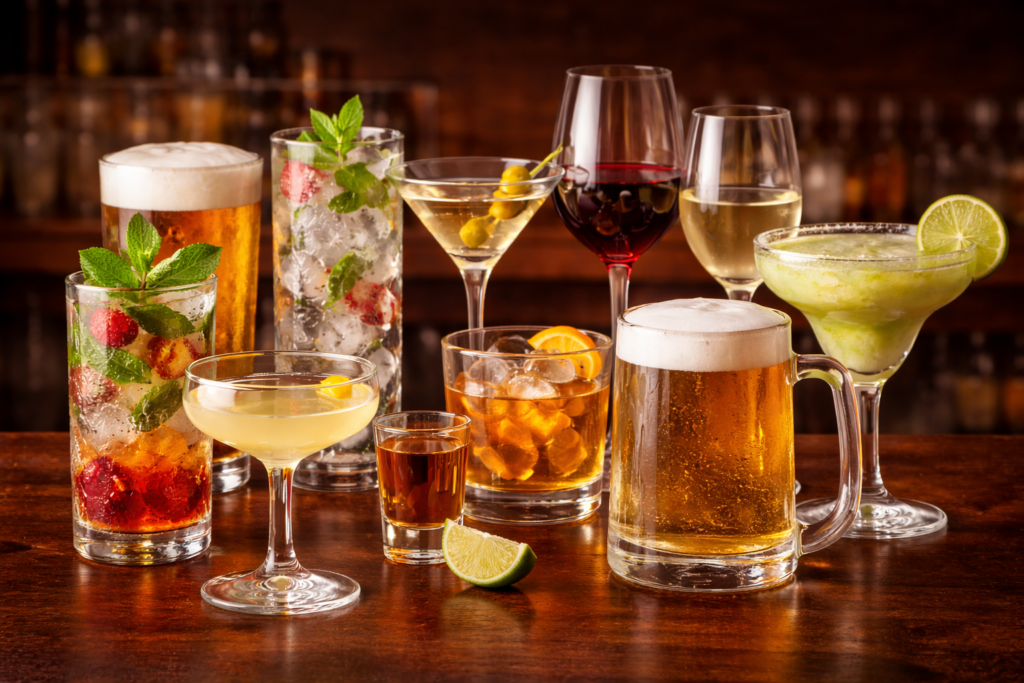
Drinkware isn’t about aesthetics—it’s about intention. Different drinks call for different vessels, each designed to influence temperature, dilution, aroma, and overall experience. From glass to metal, the material and shape both play a role in how a drink is served and how it evolves. The right choice enhances what’s already there, while the wrong one works against it. Learn the difference, and your drinks instantly feel more dialed in.
Shot glasses are built for precision and immediacy, delivering controlled portions in a single, direct serve. While often grouped together, their variations influence both volume and presentation.
The modern shot glass became standardized in the United States in the late 19th to early 20th century, as saloons and distilleries began formalizing pour sizes for consistency and taxation. Earlier versions existed in Europe as small spirit cups, but the American bar culture is what cemented their modern use.

A pony shot typically holds around 1 ounce, a term that dates back to 19th-century American bartending, where “pony” referred to a smaller-than-standard measure.

A single shot, at approximately 1.5 ounces, became the modern U.S. standard pour as liquor laws and bar practices evolved in the early 20th century.

A double shot, usually 2 to 3 ounces, simply builds on that standard, reflecting a heavier pour rather than a distinct historical design.

A shooter glass, generally 2 to 3 ounces, emerged later alongside layered and novelty shots in late 20th-century bar culture, where visual presentation became part of the experience.
These glasses are designed for drinks served over ice, where dilution is gradual and intentional. Their shorter, wider form allows for stirring, aromatic expression, and controlled evolution.

Tall glasses are built for drinks with length—cocktails that incorporate mixers, carbonation, or larger volumes of ice. Their vertical design helps preserve structure while maintaining balance over time. The rise of tall drinkware is closely tied to the late 19th and early 20th centuries, when carbonation became more widely available and drinks began incorporating soda water as a key component.


A highball glass, generally 8 to 12 ounces, takes its name from the “highball” style of drink—spirit topped with a larger proportion of mixer. The term dates back to late 19th-century railroad slang, later adopted into bar culture.


A zombie glass, usually 12 to 16 ounces or more, emerged in the mid-20th century alongside tiki culture, designed for larger, multi-ingredient cocktails that required both capacity and visual presence.
Tall glasses are built for drinks with length—cocktails that incorporate mixers, carbonation, or larger volumes of ice. Their vertical design helps preserve structure while maintaining balance over time. The rise of tall drinkware is closely tied to the late 19th and early 20th centuries, when carbonation became more widely available and drinks began incorporating soda water as a key component.
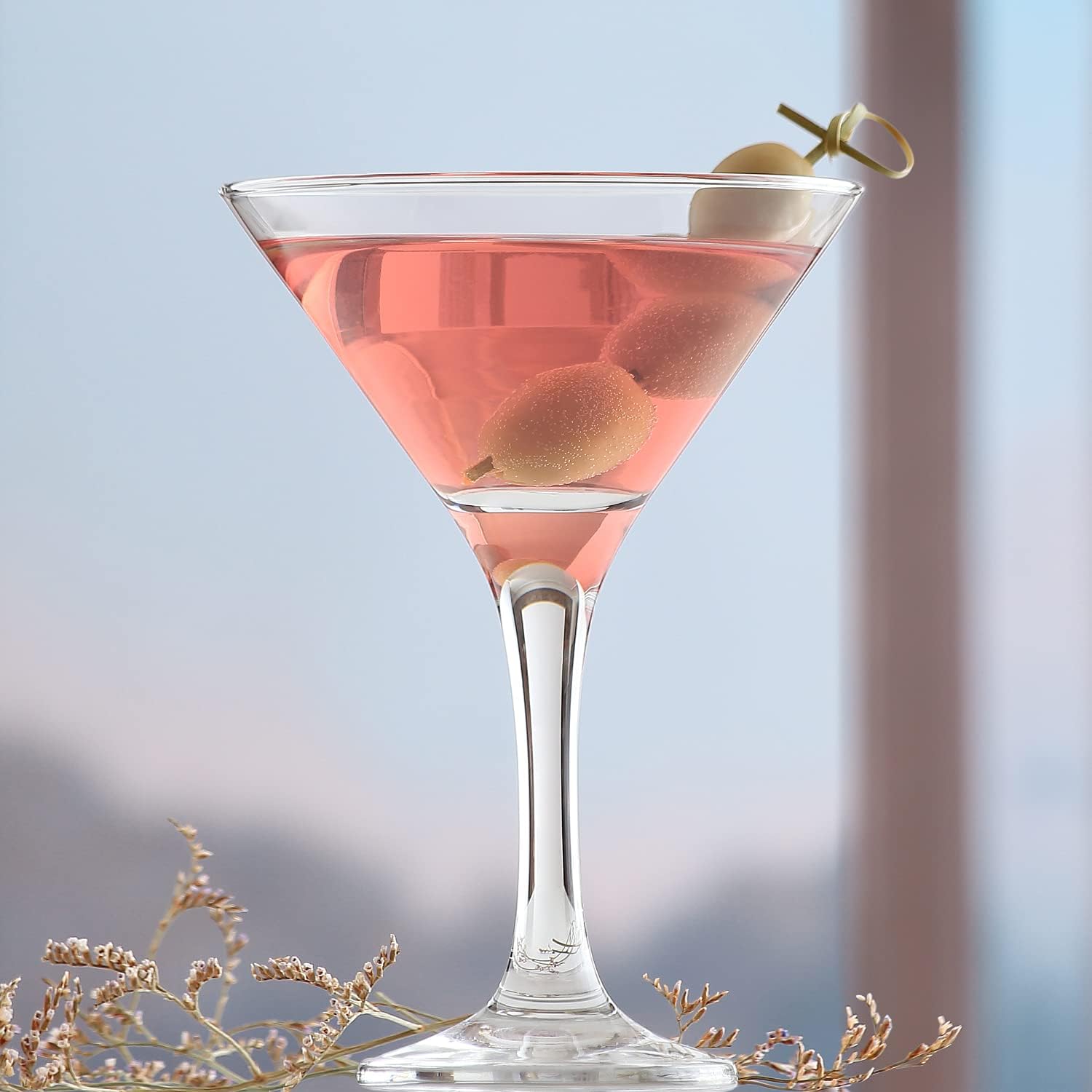
The martini glass, or cocktail glass, typically 6 to 10 ounces, evolved in the early 20th century during Prohibition-era cocktail culture. Its exact origin is debated, but it became iconic as cocktails shifted toward being served chilled and without ice.

A cosmopolitan glass, usually 6 to 8 ounces, is a modern refinement of the martini glass, scaled to better suit contemporary cocktail proportions.

A coupe glass, generally 5 to 8 ounces, dates back to 17th-century France and was originally used for champagne. It later rose in popularity during the early 20th century—particularly the Prohibition and “Gatsby” era—before becoming a staple for cocktails served up due to its stability and shape.

The Nick & Nora glass, typically 4 to 6 ounces, is named after characters in The Thin Man films of the 1930s, reflecting a more refined, controlled cocktail service style.
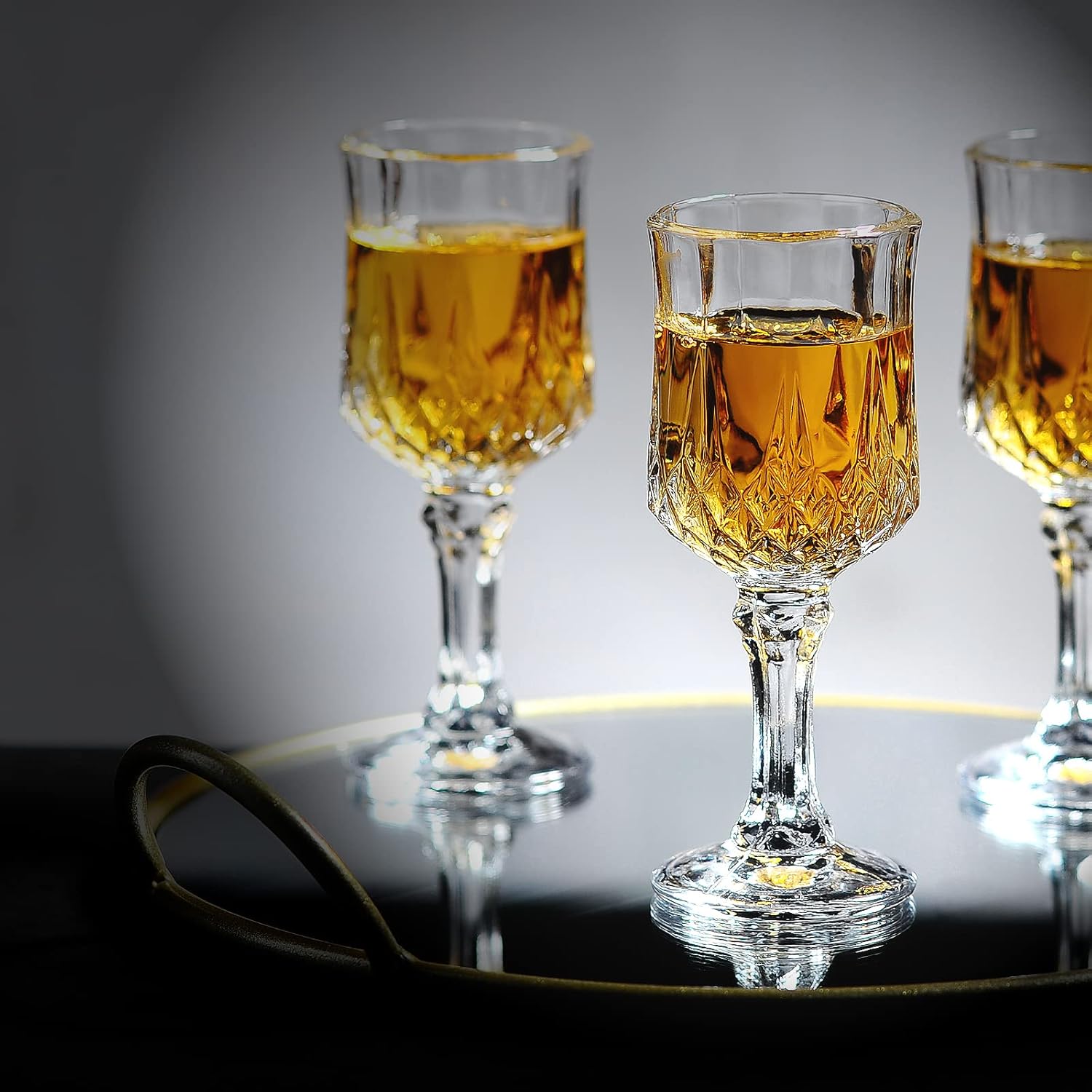
A cordial glass, typically 1.5 to 2 ounces, has roots in European after-dinner drinking traditions, designed for liqueurs served in small, concentrated portions.

A brandy snifter, ranging from 8 to 18 ounces, originated in 18th-century Europe, designed to warm the spirit slightly while concentrating aroma through its narrow opening.

These glasses are designed for drinks that rely on volume, ice, and aromatic layering, where the experience extends beyond the liquid itself. Their larger bowls and taller profiles create space not just for the drink, but for garnishes, dilution, and movement as the cocktail evolves. Ice plays a more active role here, slowly integrating into the drink over time, while the wider openings allow aromas—often from citrus, herbs, or botanicals—to develop and reach the nose before the first sip. In many cases, presentation becomes part of the function, with the glass helping to frame both the visual and sensory experience in a way that smaller, more restrained vessels cannot.
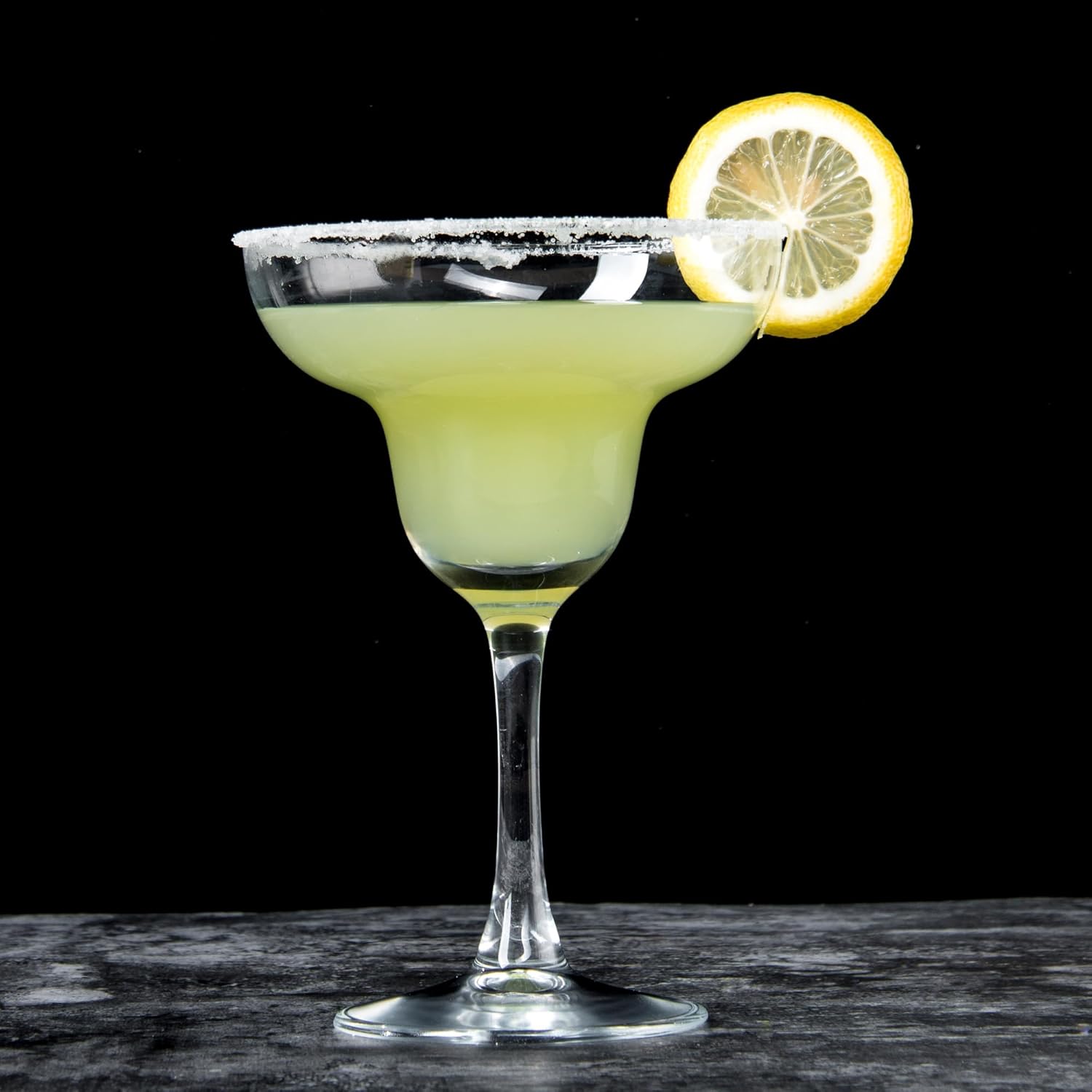
The margarita glass, typically 10 to 16 ounces, evolved in the mid-20th century alongside the cocktail itself, designed to highlight salted rims and citrus-forward profiles.


The Copa de Balón, generally 16 to 20 ounces, originates from Spain, where it became standard for gin and tonic service, emphasizing botanical aroma through its wide bowl.
Wine glassware is designed around aroma, aeration, and temperature control, with its evolution closely tied to European wine traditions. The shape and size of the bowl influence how much air interacts with the wine, how aromas are captured and directed, and how the liquid moves across the palate. Narrower glasses help preserve cooler temperatures and focus more delicate notes, while wider bowls allow fuller-bodied wines to open up and develop complexity. Over time, these distinctions became more intentional, with specific glass styles emerging to complement different types of wine rather than simply serving them.

A red wine glass, generally 12 to 18 ounces, is designed with a broader bowl to allow for aeration, helping to open up aromas and soften tannins while enhancing overall depth.
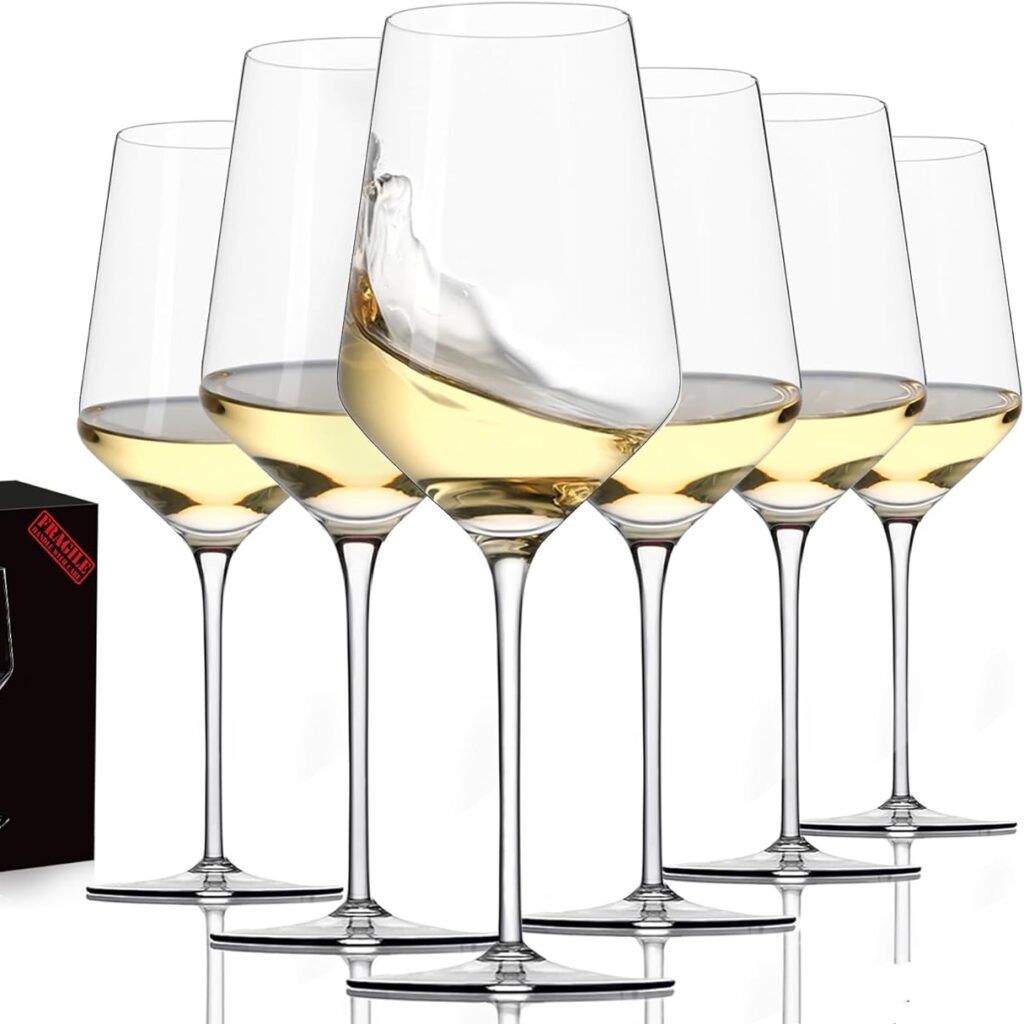
A white wine glass, generally 10 to 14 ounces, evolved to preserve cooler temperatures and focus more delicate aromas.
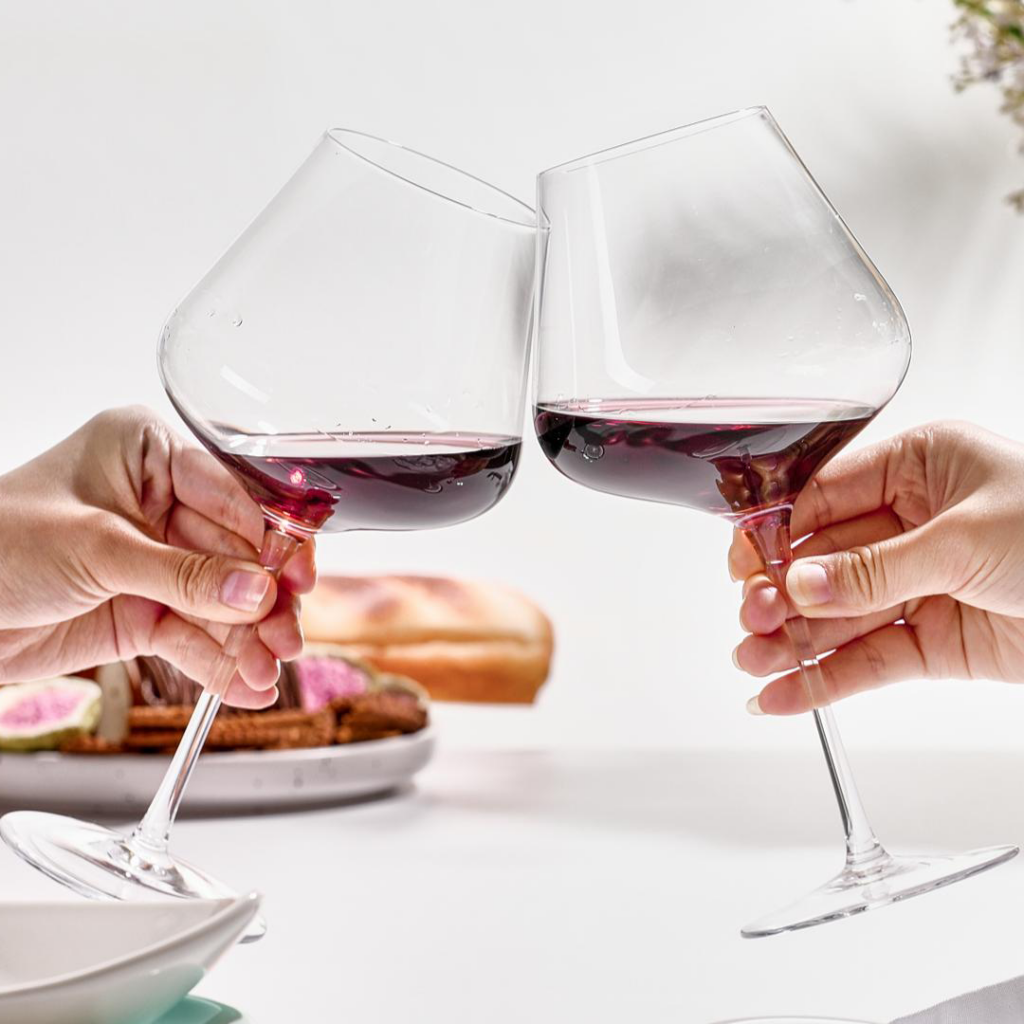
A balloon-style red wine glass, typically 16 to 22 ounces, developed over centuries to enhance aeration and aromatic complexity in fuller-bodied wines like Burgundy.

A champagne flute, typically 6 to 10 ounces, became popular in the 18th and 19th centuries as sparkling wine production advanced, designed to preserve carbonation.

A champagne tulip, also 6 to 10 ounces, is a more modern evolution, balancing aroma development with effervescence.
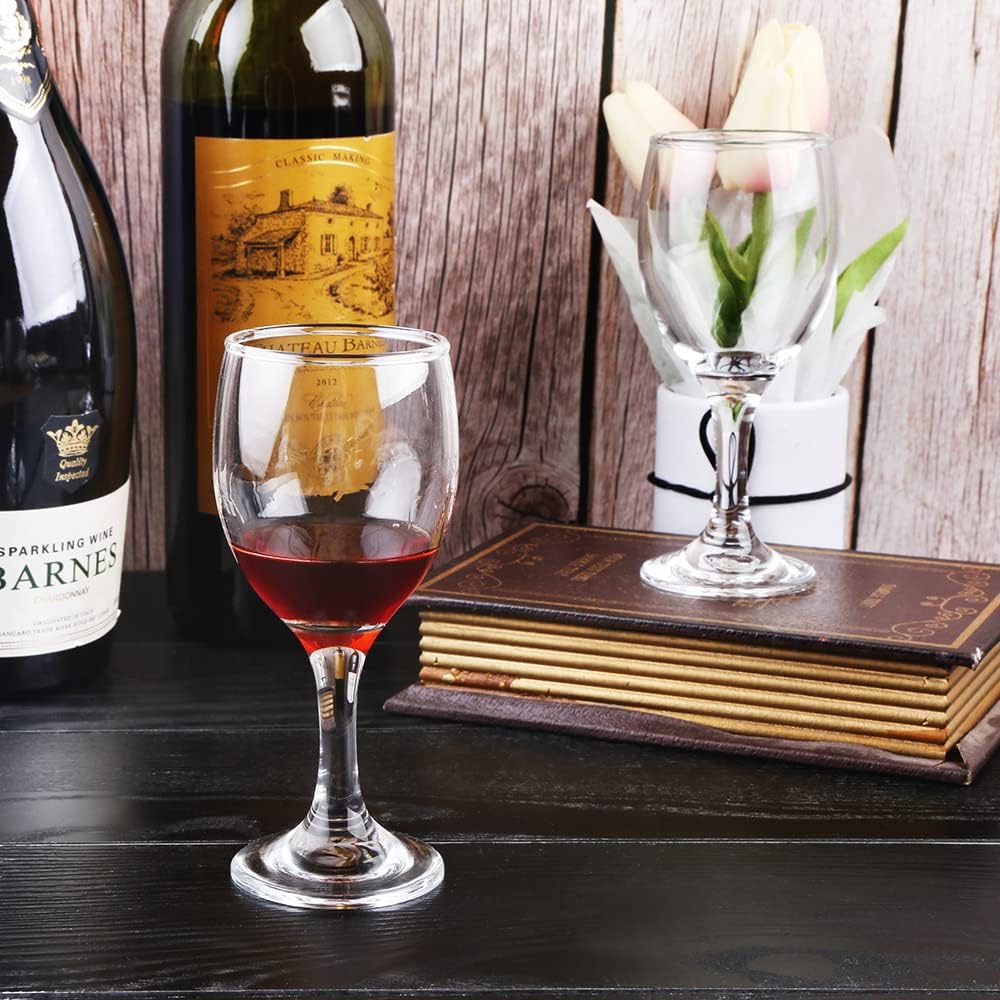
A sherry glass, typically 4 to 6 ounces, reflects Spanish drinking traditions centered around fortified wines.

A port glass, usually 6 to 8 ounces, follows similar European traditions, adapted for the richness of port.

A grappa glass, typically 3 to 6 ounces, developed in Italy to concentrate the intense aromatics of distilled grape spirits.
Beer glassware is deeply tied to European brewing traditions, where specific shapes evolved to complement different styles. Over time, brewers and drinkers recognized that factors like foam retention, carbonation, and aroma all change depending on the vessel. Taller, tapered glasses highlight clarity and preserve effervescence, while wider bowls allow aromas to develop and support a fuller head. Even elements like rim shape and glass thickness play a role in how the beer is perceived, turning what might seem like a simple pour into a more intentional and style-driven experience.
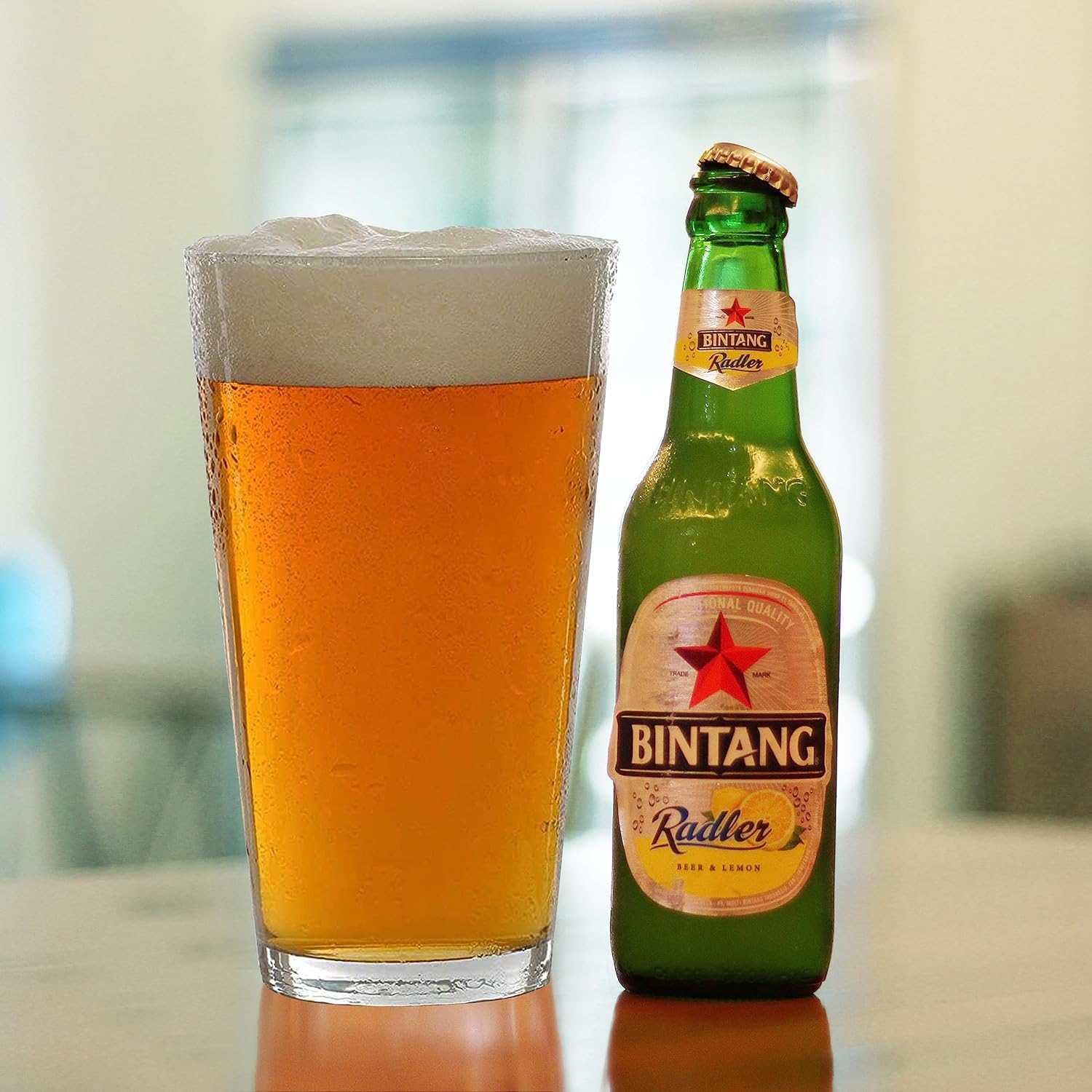
An American pint glass (or Shaker), typically 16 ounces, features a slightly-tapered, cylindrical shape and is one of the most versatile, widely-used beer glasses. Common in American bars, it’s suitable for a broad range of styles—from ales and lagers to stouts—though isn’t optimized for any one in particular.
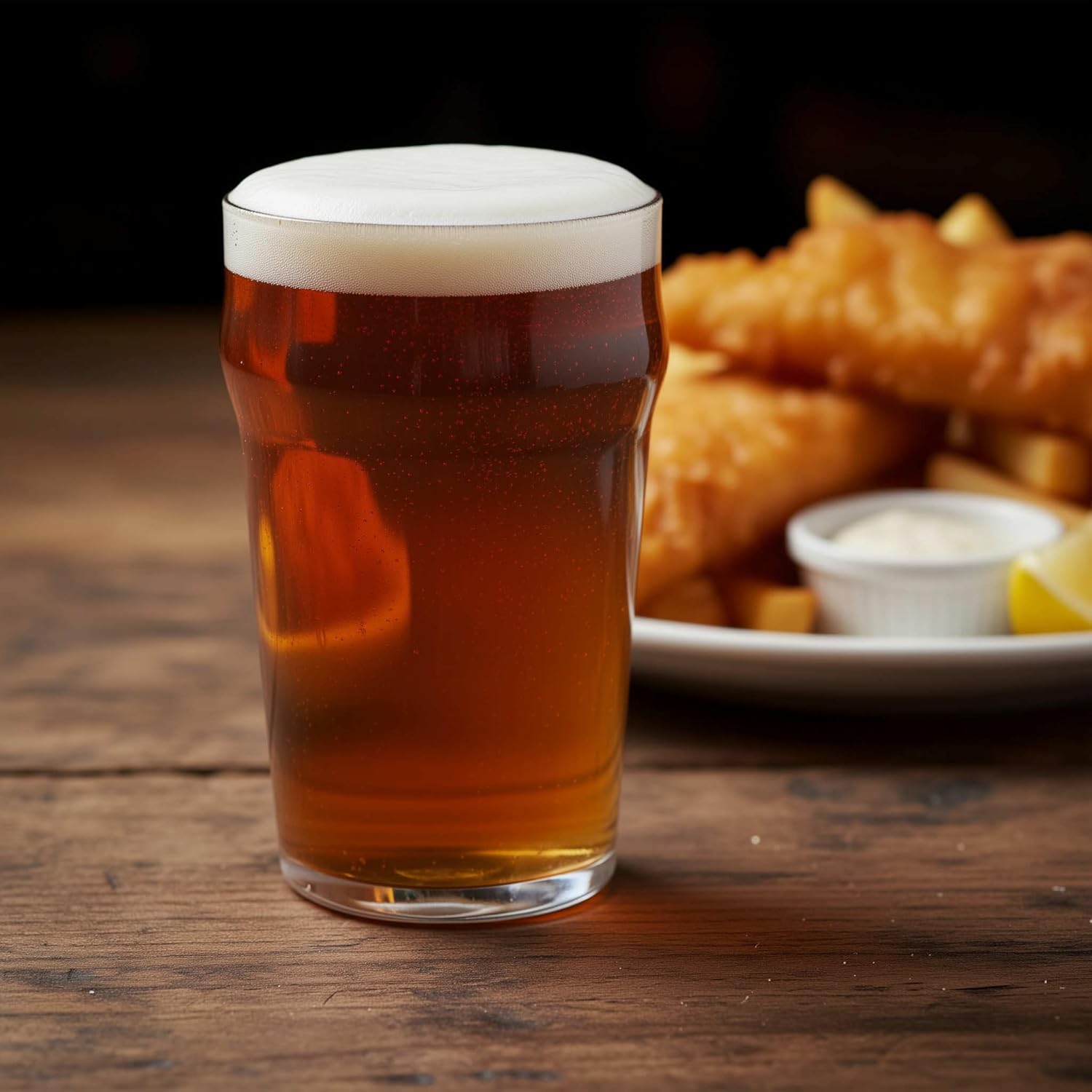
A nonic (or Imperial) pint, usually 16 to 20 ounces, is an English variation of the pint glass, distinguished by a slight ridge near the top. That ridge improves grip, prevents chipping when stacked, and helps support a more stable head, making it well-suited for British ales and pub-style service.

A pilsner glass, generally 12 to 16 ounces, is tall, slim, and slightly tapered. Its shape showcases clarity and color while preserving carbonation and supporting a defined head, making it ideal for pilsners, lagers, and other lighter, effervescent beers.

A tulip glass, typically 12 to 16 ounces, features a bulbous body with a flared rim. This design traps and concentrates aroma while promoting head retention, making it particularly well-suited for Belgian ales, IPAs, and saisons where aroma plays a central role.

A snifter, usually 8 to 14 ounces, has a wide bowl and short stem, allowing the beer to be gently swirled. This enhances aromatic release while concentrating those aromas at the rim, making it ideal for high-ABV beers like imperial stouts, barleywines, and stronger IPAs.


A goblet or chalice, generally 12 to 20 ounces, is thick-walled and stemmed, designed to handle heavier, more complex beers. Its wide bowl allows for aromatic development, while the sturdy construction supports higher carbonation and richer styles like Belgian ales and German bocks.

A stange (or rye glass), usually 6 to 10 ounces, is tall, slender, and cylindrical. Its narrow shape preserves carbonation and directs delicate aromas, making it ideal for lighter, more subtle beers like Kölsch, Gose, and other crisp, low-profile styles.
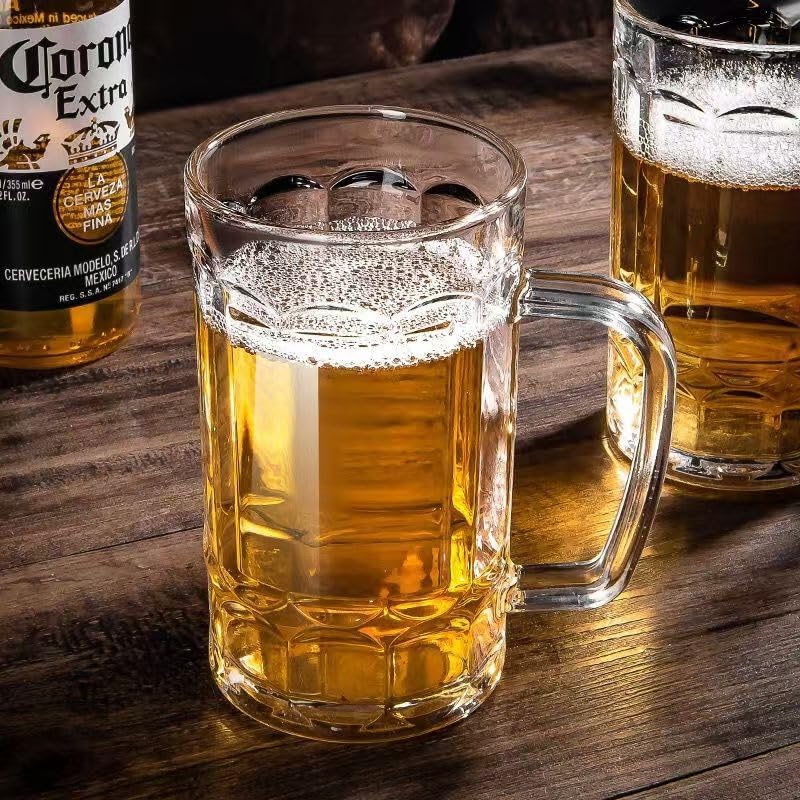
Not all drinkware is defined by shape alone. Some vessels are built around temperature, material, or the overall experience of the drink, playing a more active role in how it’s served and perceived. In these cases, the material itself becomes part of the function—whether it’s metal amplifying cold, glass retaining heat, or ceramic insulating the drink over time. These choices don’t just support the drink; they shape how it feels in the hand, how it’s presented, and how it’s experienced from start to finish.

A tiki mug, generally 12 to 20 ounces or more, is typically made from ceramic and emerged in mid-20th century tiki culture, where presentation and escapism were central to the drinking experience.

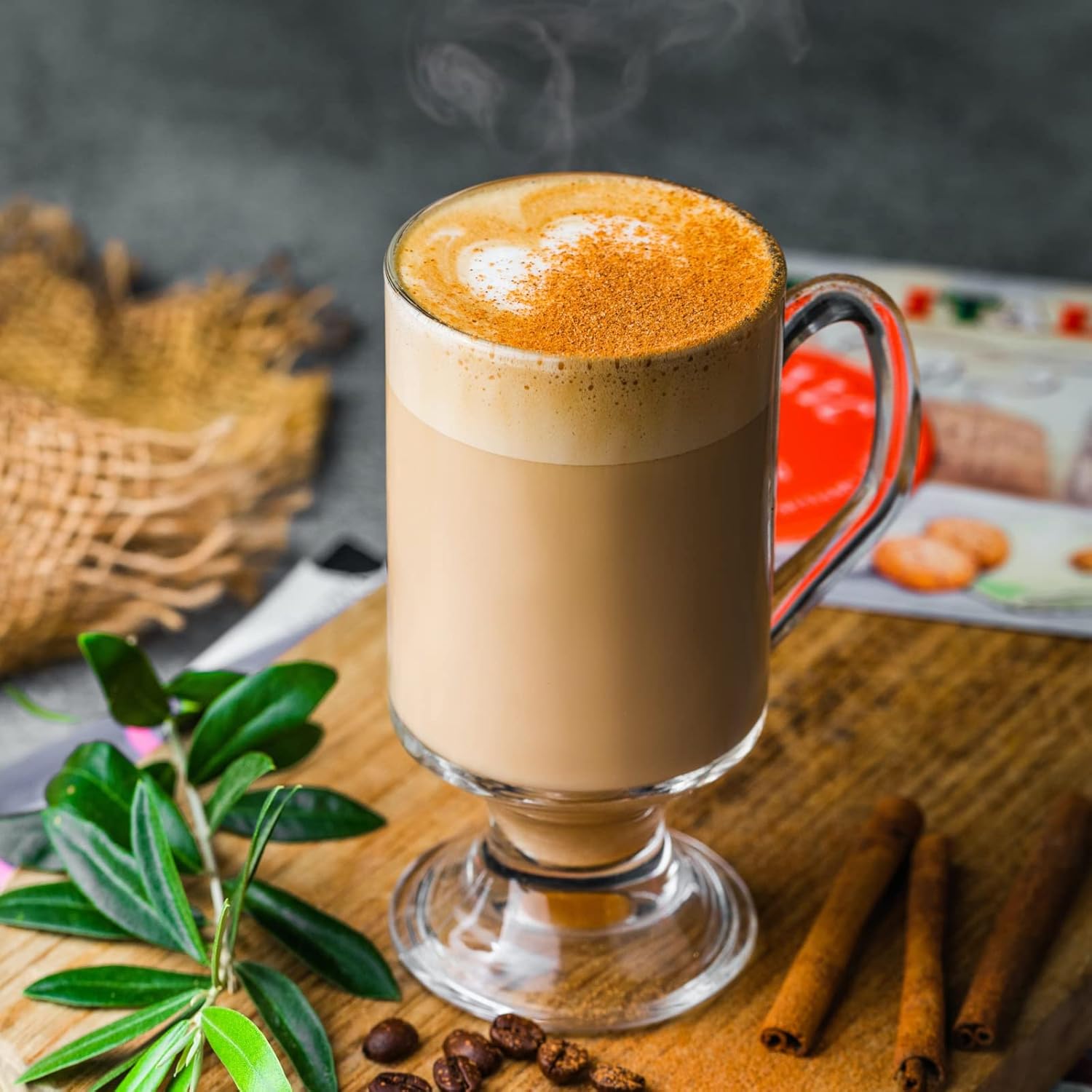
An Irish coffee glass, generally 8 to 12 ounces, originated in the mid-20th century with the Irish Coffee itself, designed to handle heat while showcasing layered presentation.

A julep cup, typically 10 to 12 ounces, dates back to the American South in the 18th and 19th centuries, where metal cups were used to keep drinks cold in warm climates. Its frosted exterior became part of the identity of the Mint Julep.

A mule mug, usually 12 to 16 ounces, was popularized in the 1940s alongside the Moscow Mule, largely as a marketing tool, but its copper construction became integral to the drink’s identity.
Drinkware isn’t about having more options—it’s about having the right one for the drink in front of you. Once you understand how size, shape, and material influence balance, temperature, and aroma, you stop treating the vessel as an afterthought and start using it as part of the build. The glass becomes an extension of the technique, guiding how the drink is mixed, served, and experienced from the first sip to the last.
As those choices become more intentional, small details begin to matter more. How quickly the drink chills, how it dilutes over time, and how aromas rise and meet the nose before you taste all start to connect. The right vessel doesn’t call attention to itself, but it allows the drink to perform exactly as it was designed to.