
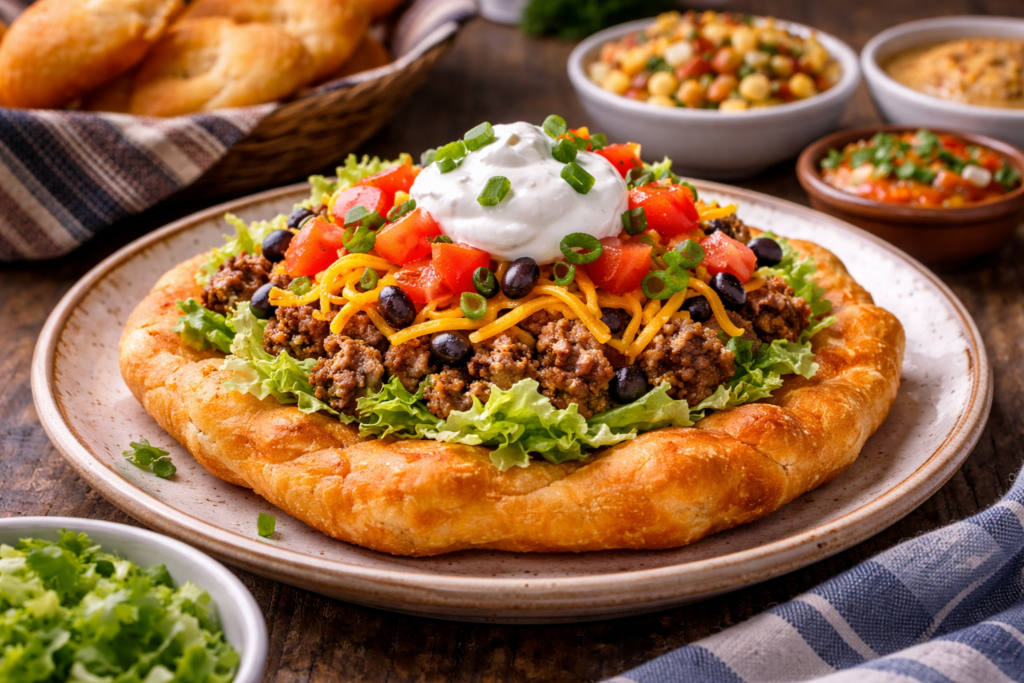
Indigenous cuisines across America are deeply rooted in the land, shaped by thousands of years of knowledge about native plants, wild game, and seasonal cycles. Long before European contact, Indigenous foodways centered on ingredients that thrived across the continent—corn, beans, and squash (often called the Three Sisters), along with wild rice, chiles, maple, berries, fish, and game. These traditions were never a single cuisine, but a rich tapestry of regional practices reflecting the landscapes and cultures of the many nations who call this land home.
In the Northeast, tribes in what is now Maine—such as the Wabanaki Confederacy—built their cuisine around coastal waters and forest harvests, with dishes featuring clams, salmon, berries, and maple. Further south, communities like the Tuscarora and Lumbee of the Carolinas are known for dishes rooted in corn agriculture, including cornbread, hominy, and hearty stews that reflect generations of adaptation and resilience.
Across the Great Plains, the Lakota and Dakota peoples developed a cuisine centered on the buffalo, whose meat, fat, and organs were used respectfully and completely. Dishes like wojapi, a berry-based sauce or pudding, highlight the importance of wild fruits gathered from the prairie. In the Southwest, the Navajo (Diné) and other desert nations developed food traditions shaped by corn, beans, squash, and chiles—along with the now-iconic fry bread, which carries a more complicated history tied to displacement but has become a powerful symbol of survival and cultural identity.
Throughout the continent, other Indigenous nations contribute equally distinct culinary traditions—from the wild rice harvests of the Ojibwe, to the salmon-centered cuisines of Pacific Northwest tribes, to the corn-based dishes of the Hopi and Pueblo peoples. Together, these traditions represent the original foundations of American cooking—food that honors the land, celebrates community, and carries forward knowledge passed down through countless generations.