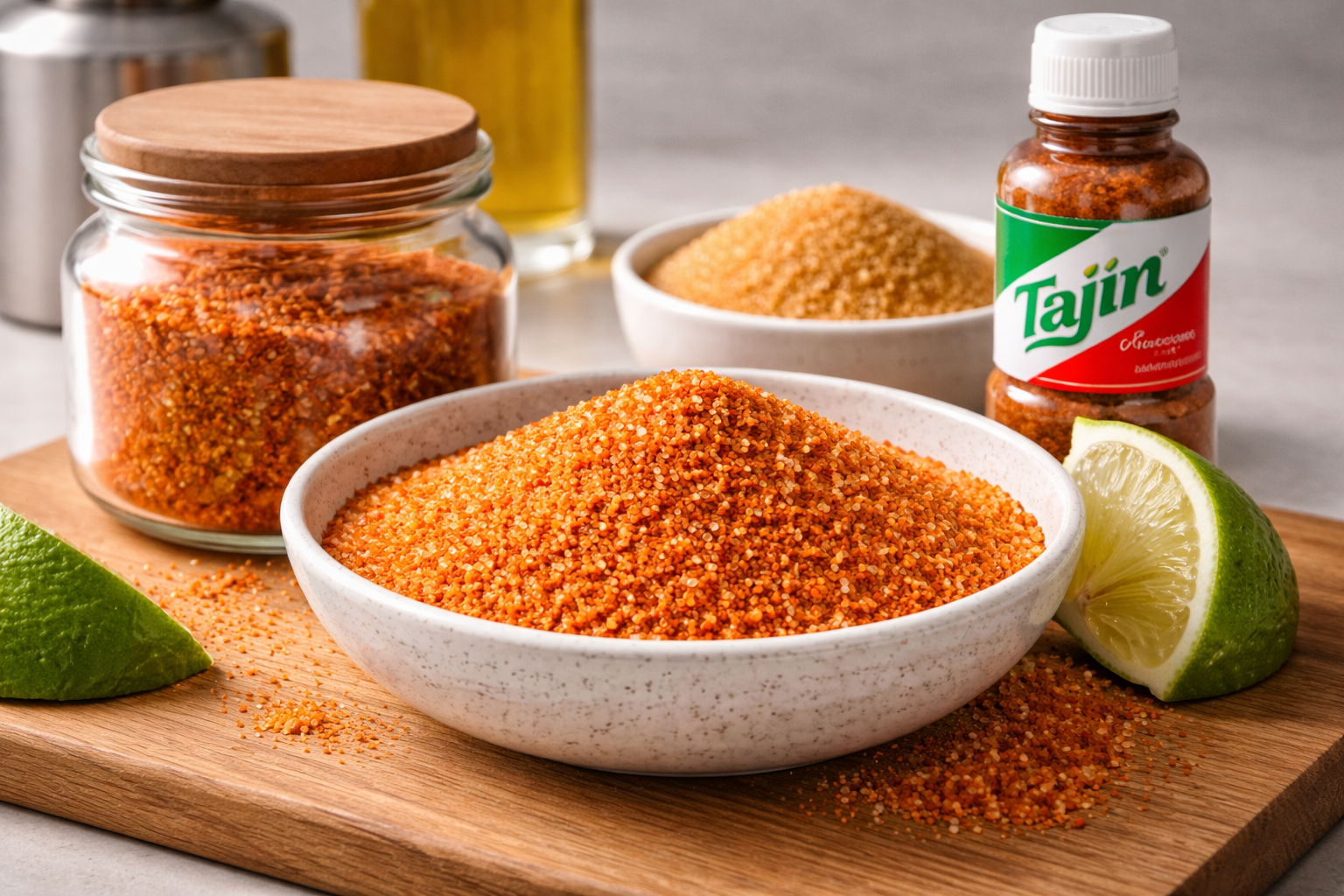


The rim of a glass is easy to treat as decoration, but it’s doing more than that. It’s the first taste—before the first sip—and it sets the direction for everything that follows. It can sharpen what’s already in the glass, soften it, or introduce contrast that changes how the cocktail reads from start to finish. A margarita with a salt rim doesn’t just taste seasoned—it feels brighter, more structured. A sugared rim on a citrus-forward drink rounds the edges before the acidity hits. The rim isn’t separate from the drink—it’s part of the build.
A good rim works in one of two directions: it either reinforces what’s already in the glass, or it creates tension against it. The difference comes down to intention. The rim should either support the drink or challenge it in a way that makes sense.
The adhesive you choose determines how the rim behaves and how it integrates with the drink. For a clean, classic application, a simple swipe of lime or lemon juice is enough. It lightly coats the rim without adding weight, allowing salt or sugar to adhere while keeping the focus on the cocktail itself.
When the goal is something more constructed or decorative, a stronger base is needed. Thicker elements such as reduced simple syrup, agave, maple syrup, honey, melted chocolate or frosting, and even fruit preserves or jellies provide the necessary grip to support heavier or more textured rims. In these cases, the adhesive does more than hold—it contributes to the overall flavor, becoming part of the drink rather than sitting alongside it.
The balance comes down to control. Too much, and the rim begins to dominate, adding unnecessary weight and sweetness. Too little, and it fails to hold, breaking apart before it can serve its purpose. Proper application ensures the rim remains intentional, integrated, and consistent from the first sip to the last.
A plate works in a pinch, and it’s how most people start—pour your salt or sugar onto a flat surface, dip, and move on. It gets the job done, but it’s not precise. Coverage can be uneven, excess collects where it shouldn’t, and it’s easy to end up with a rim that looks more accidental than intentional.
Dedicated tools make the process more controlled and consistent. Rim trays and multi-tiered rimmers separate adhesive and garnish into distinct compartments, allowing you to coat the glass cleanly without cross-contamination. They’re designed to match the diameter of standard glassware, which means a more even application and less waste. The result is a rim that looks deliberate and holds up from the first sip to the last.
It’s a small upgrade, but it changes the workflow. Less mess, better consistency, and a cleaner final presentation—especially when you’re making more than one drink at a time.

Crafted from Moso bamboo, this rimmer trades plastic for something more grounded—cleaner, sturdier, and built to last. The magnetic lid swings open with one hand and closes securely, keeping everything contained and ready when you need it. It’s a simple, well-executed tool that works best for single applications, giving you more control and a cleaner rim without the bulk of a multi-tier setup.

This is the standard for a reason. The classic three-tier rimmer is what you’ll find behind most bars—built for efficiency and consistency. Made from durable, food-safe ABS plastic, it keeps salt, sugar, and citrus separate for quick, clean application. When you’re done, it folds down for compact storage and cleans easily by hand or in the dishwasher.


These small glass jars are perfect for storing pre-made cocktail rim blends, keeping everything fresh, organized, and ready to use. Airtight lids prevent clumping, while the clear glass makes it easy to see what you’re working with—turning rimming into a consistent, controlled step instead of a last-minute add-on.

A mortar and pestle gives you control over texture when building custom rim blends, allowing you to crush spices, dried citrus, or sugars to the exact consistency you need. Whether fine for clean adhesion or slightly coarse for added texture, it helps create rims that feel intentional and consistent from one glass to the next.
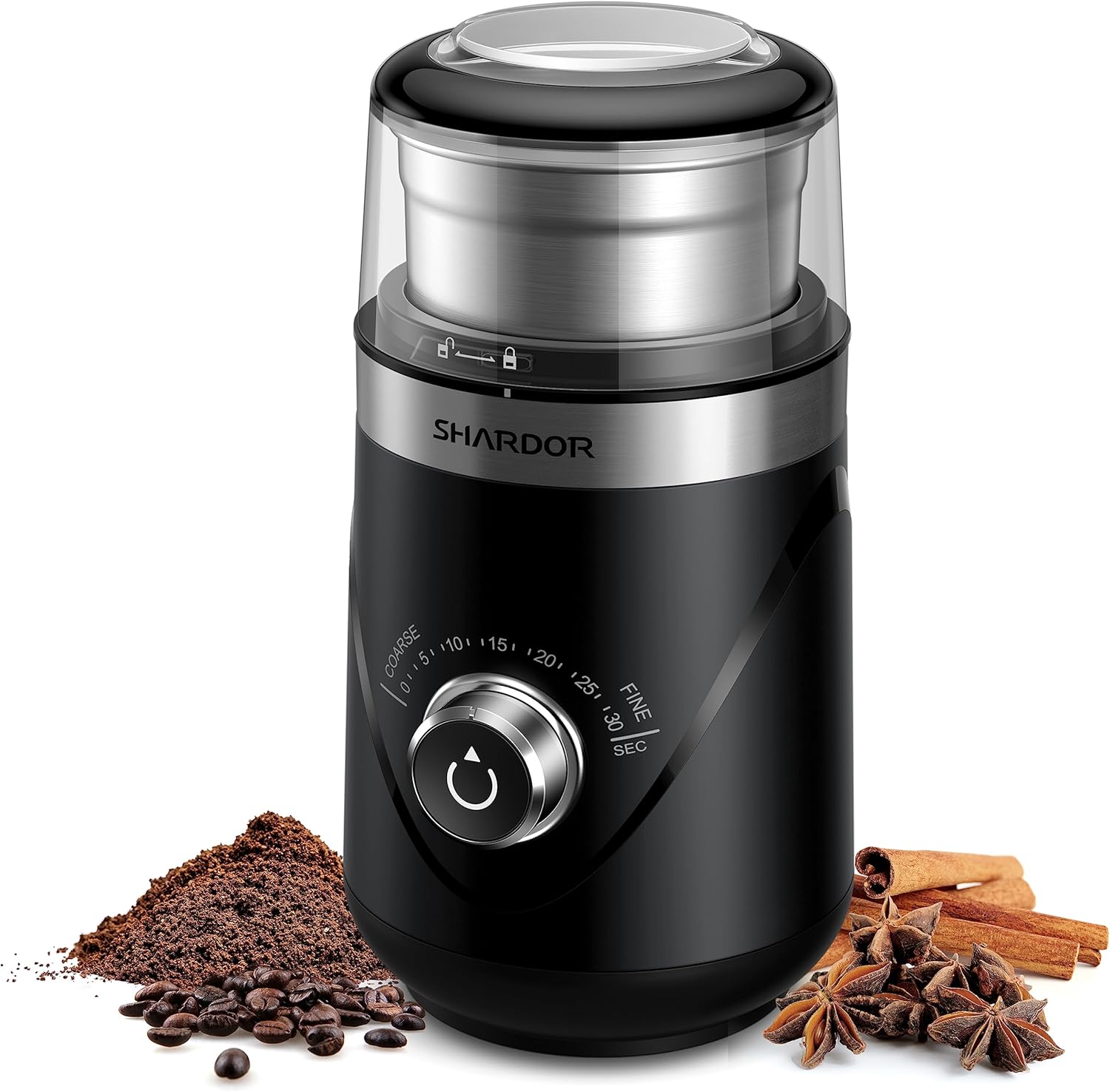
A rim contributes more than flavor—it introduces texture, and that texture shapes how the drink is experienced from the first contact. Fine sugar dissolves almost immediately, blending seamlessly into the sip, while coarse salt or demerara crystals create a brief, subtle crunch before melting away. Crushed ingredients like graham crackers or candy add a more pronounced contrast, shifting the drink toward a dessert-like profile.
That variation isn’t incidental—it changes perception. Texture can slow the sip, add dimension, and create slight differences from one taste to the next, giving the drink more movement and preventing it from feeling flat or uniform.
Some rims are classic for a reason. Others push a bit further. Each one works because it’s tied to what’s happening in the glass—not just what looks good on the rim.