
A good drink doesn’t start with the liquor—it starts with how you build it. You can stock your shelves with quality spirits and keep fresh citrus on hand, but if your tools are working against you, the final result will always fall short. Weak dilution, unbalanced ratios, and inconsistent texture are rarely about the ingredients themselves—they’re almost always about a lack of control in the process.
Essential Tools 101
A good drink doesn’t start with the liquor—it starts with how you build it. You can stock your shelves with quality spirits and keep fresh citrus on hand, but if your tools are working against you, the final result will always fall short. Weak dilution, unbalanced ratios, and inconsistent texture are rarely about the ingredients themselves—they’re almost always about a lack of control in the process.
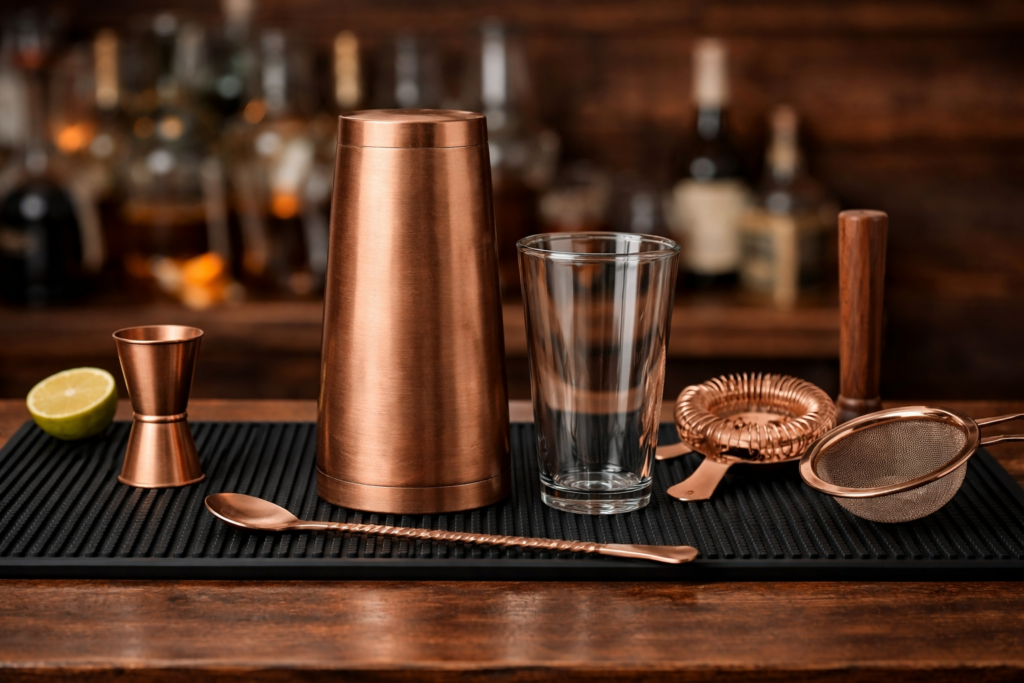
Barware isn’t about aesthetics or trying to recreate a professional bar setup at home. It’s about giving yourself the ability to execute a drink with intention. The right tools allow you to control balance, dilution, temperature, and texture in a way that transforms a drink from something acceptable into something deliberate. The goal isn’t to have more tools—it’s to have the right ones, and to understand why they matter.
The Non-Negotiables
When it comes to building a bar that actually produces good drinks, a handful of tools carry almost all of the weight. These aren’t aesthetic additions or nice-to-have upgrades—they are what give you control over the drink itself. Without them, even the best ingredients won’t come together the way they should.
Shaker
A shaker is essential for any cocktail that includes citrus, juice, egg white, or syrup. Shaking does far more than combine ingredients—it rapidly chills the drink, introduces controlled dilution, and aerates the mixture to create a lighter, more cohesive texture. Without it, drinks that should feel bright and structured instead come across as heavy, flat, or disconnected. While all shakers serve the same core purpose, the way they’re built affects how they perform. Understanding the differences allows you to choose the one that fits your workflow rather than working against it.
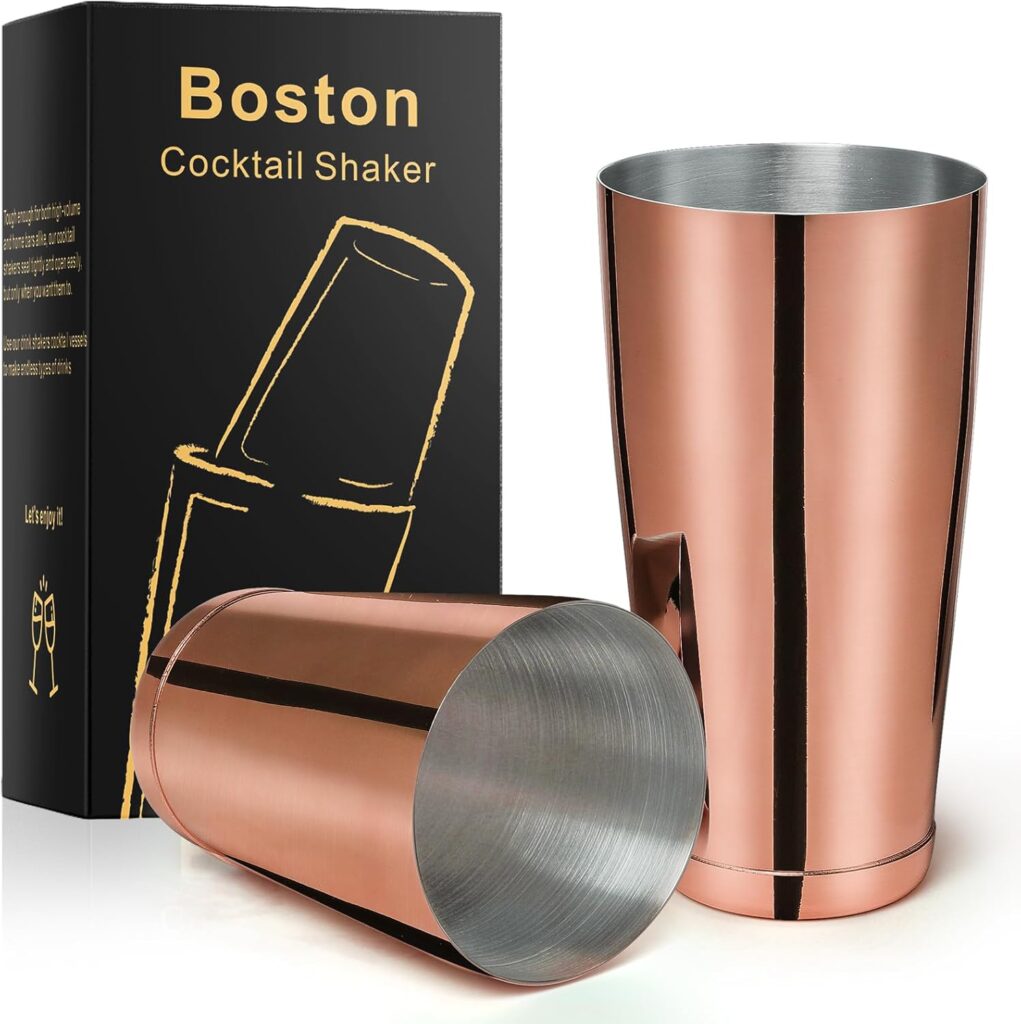
Boston Shaker - Two-piece
The Boston shaker is the most widely used style, consisting of a large metal tin paired with either a pint glass or a second metal tin. It’s favored for its durability, speed, and control, particularly once you’re comfortable with the technique. The seal forms naturally during shaking and releases cleanly with a firm tap, making it efficient in both professional and home settings.
The metal-on-metal variation has become the standard in most modern bars due to its durability and temperature responsiveness, while the classic metal-and-glass setup remains common in more traditional environments. Either way, the Boston shaker is built for performance and tends to be the preferred option for long-term use.
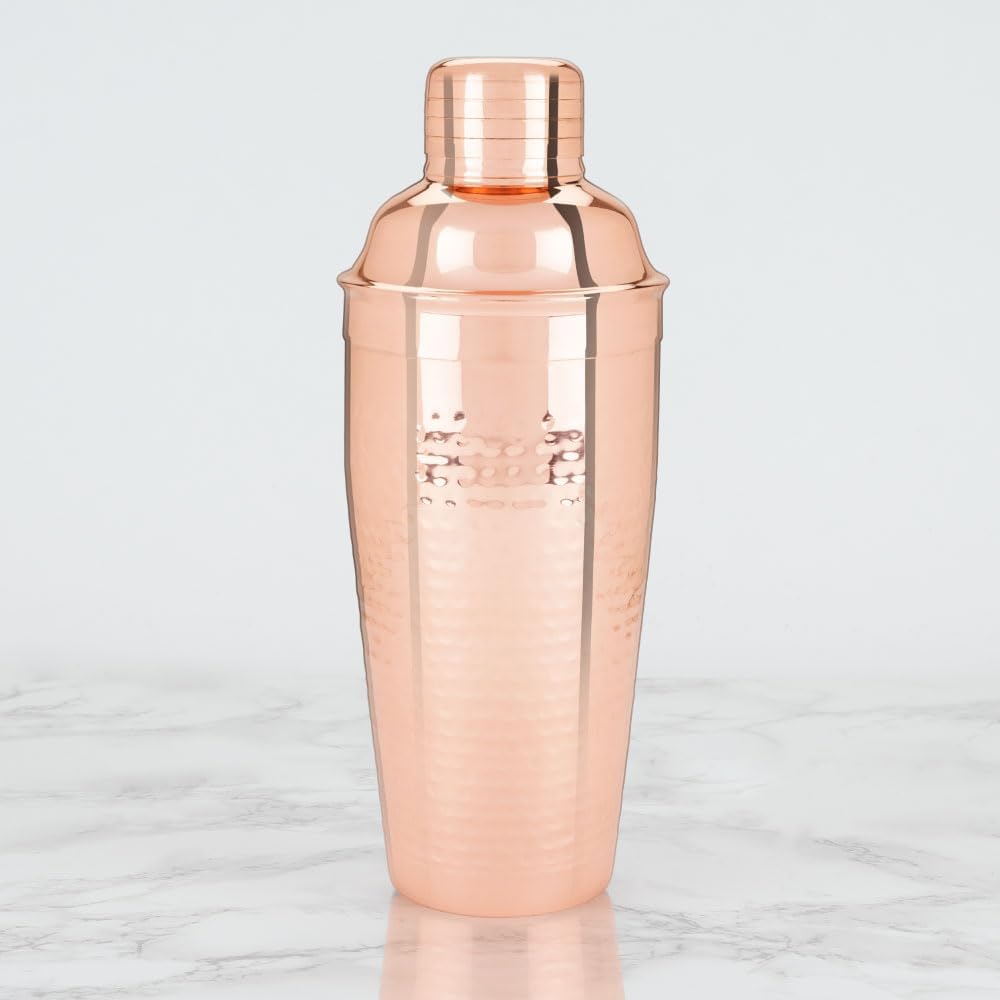
Cobbler Shaker - Three-piece
The Cobbler shaker is a three-piece design that includes a built-in strainer and cap. Its self-contained structure makes it more approachable, particularly for beginners, since it doesn’t require a separate strainer and feels more intuitive to assemble and use.
That convenience comes with trade-offs. Cobbler shakers can sometimes stick after shaking due to temperature changes, and the built-in strainer offers less control compared to a separate Hawthorne strainer. Still, for those just starting out or looking for simplicity, it provides a straightforward entry point into cocktail making.
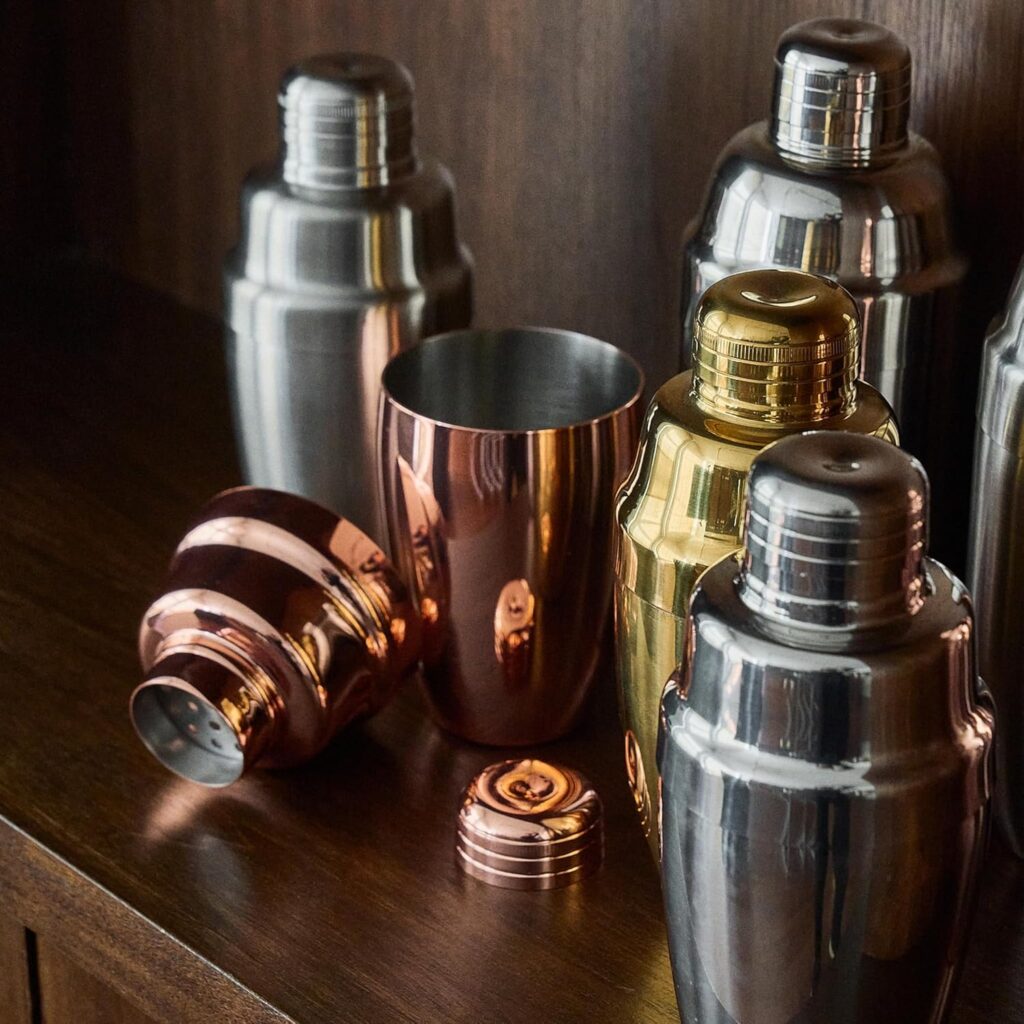
Japanese Cobbler Shaker - Three-Piece
Often referred to simply as a Japanese shaker, this is a refined version of the Cobbler design. While structurally identical, the difference lies in precision and craftsmanship. These shakers are engineered with tighter tolerances, resulting in a smoother seal, easier separation, and a more controlled pour through the integrated strainer.
The experience is noticeably more refined, but the function remains the same. It’s less about necessity and more about preference—an upgrade in feel and performance rather than a fundamentally different tool.
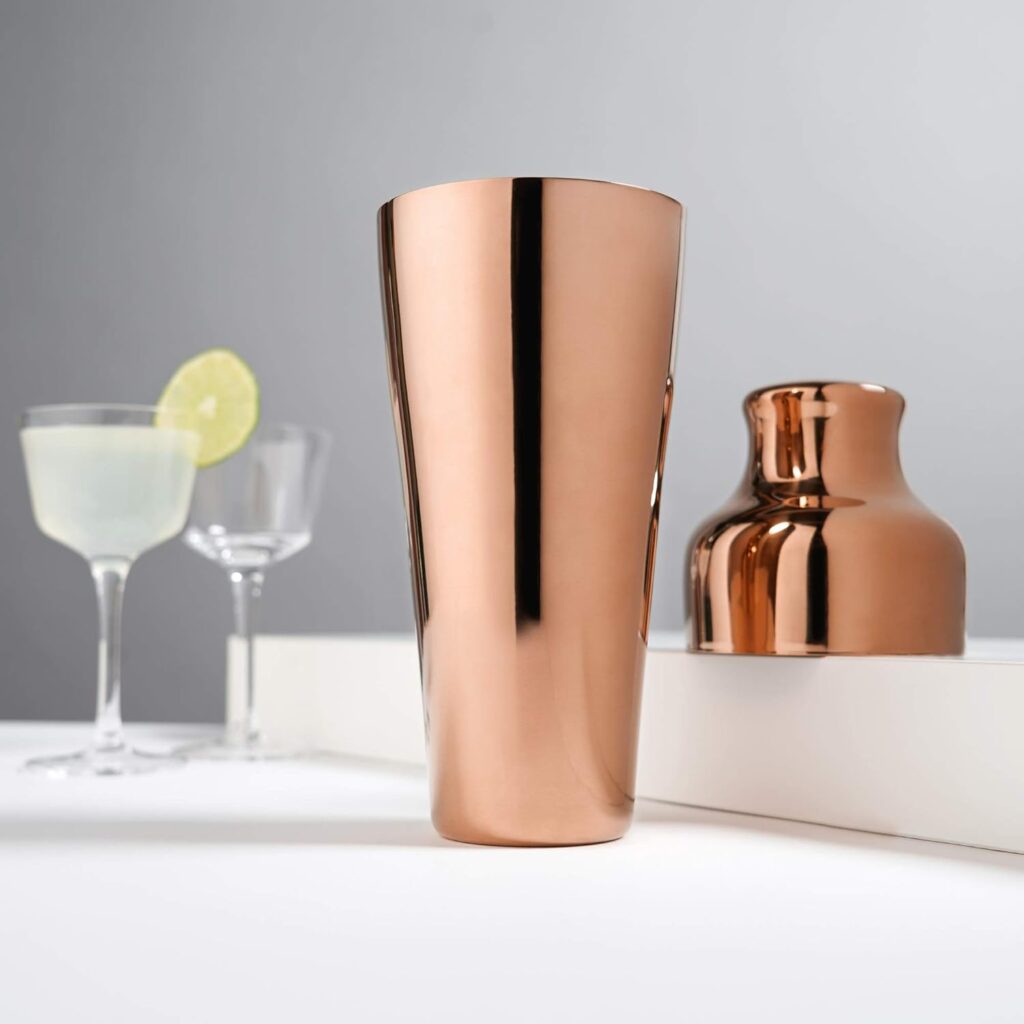
French (Continental) Shaker - Two-Piece
The French shaker occupies a middle ground between the Boston and Cobbler styles. It is a two-piece, all-metal design like the Boston, but without the use of a pint glass and without a built-in strainer. Its clean, minimal form makes it visually appealing, but it requires a separate strainer and offers a slightly different feel when sealing and opening.
While less common, it appeals to those who prefer the simplicity of a two-piece design with a more streamlined aesthetic. Functionally, it performs well, but it is rarely the first choice for a foundational setup.
Jigger
A jigger is what brings consistency to your drinks. Cocktails rely on proportion, and even small deviations in measurement can shift a drink from balanced to sharp, flat, or overly strong. While free-pouring may feel intuitive, it introduces variability that makes it difficult to replicate results, especially when you’re still building muscle memory.
That said, there is another path to consistency—one that comes from repetition and training rather than tools. In professional settings, bartenders are often taught to “count” their pours, developing an internal rhythm that allows them to measure with surprising accuracy. It’s a skill that can be refined over time, and when done well, it’s both efficient and precise.
Personally, that’s the method I was trained on. We practiced it to the point of muscle memory—timed pours, accuracy tests, even competitions—and it becomes second nature once it’s ingrained. But that level of consistency doesn’t happen overnight, and it’s easy to overestimate accuracy without realizing it.
For most home bars, a jigger remains the most reliable way to control your ratios while you’re learning. It removes guesswork, builds your understanding of proportion, and helps you develop a feel for how a drink should come together. Even if you eventually move toward free-pouring, starting with a jigger gives you a baseline that makes everything else more intentional.
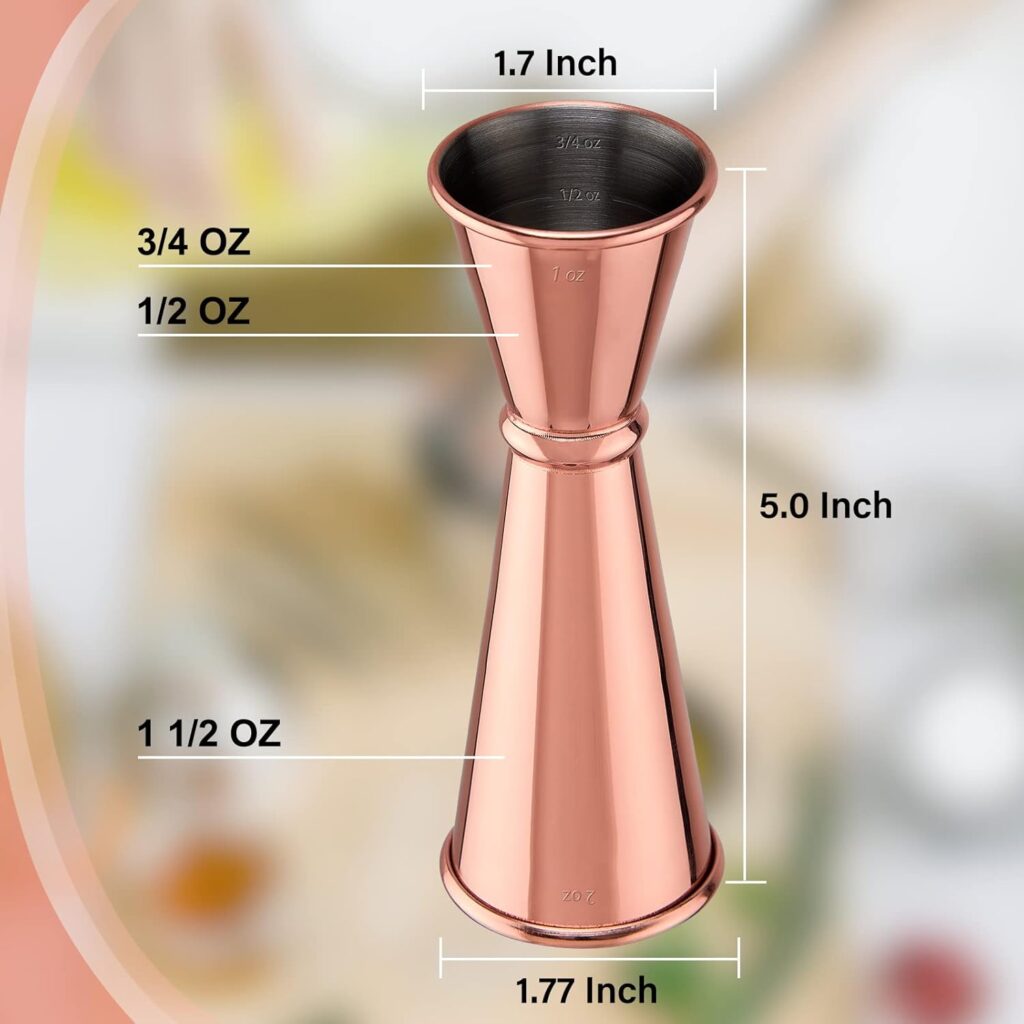
Standard Double Jigger
The most common style is the double-sided jigger, typically offering two measurements—often one ounce on one side and two ounces on the other, with additional internal markings for smaller quantities. Its symmetrical design makes it quick to use and easy to incorporate into your workflow. A well-designed jigger should feel balanced in the hand, pour cleanly, and have clearly visible measurement lines. Over time, even if you rely less on it, it remains a valuable reference point for dialing in proportions and maintaining consistency.
Strainer
After a drink is shaken or stirred, a strainer controls what makes it into the glass. This step is essential for maintaining texture, preventing unwanted ice shards or solids from diluting the drink further, and ensuring a clean final presentation.

Hawthorne Strainer
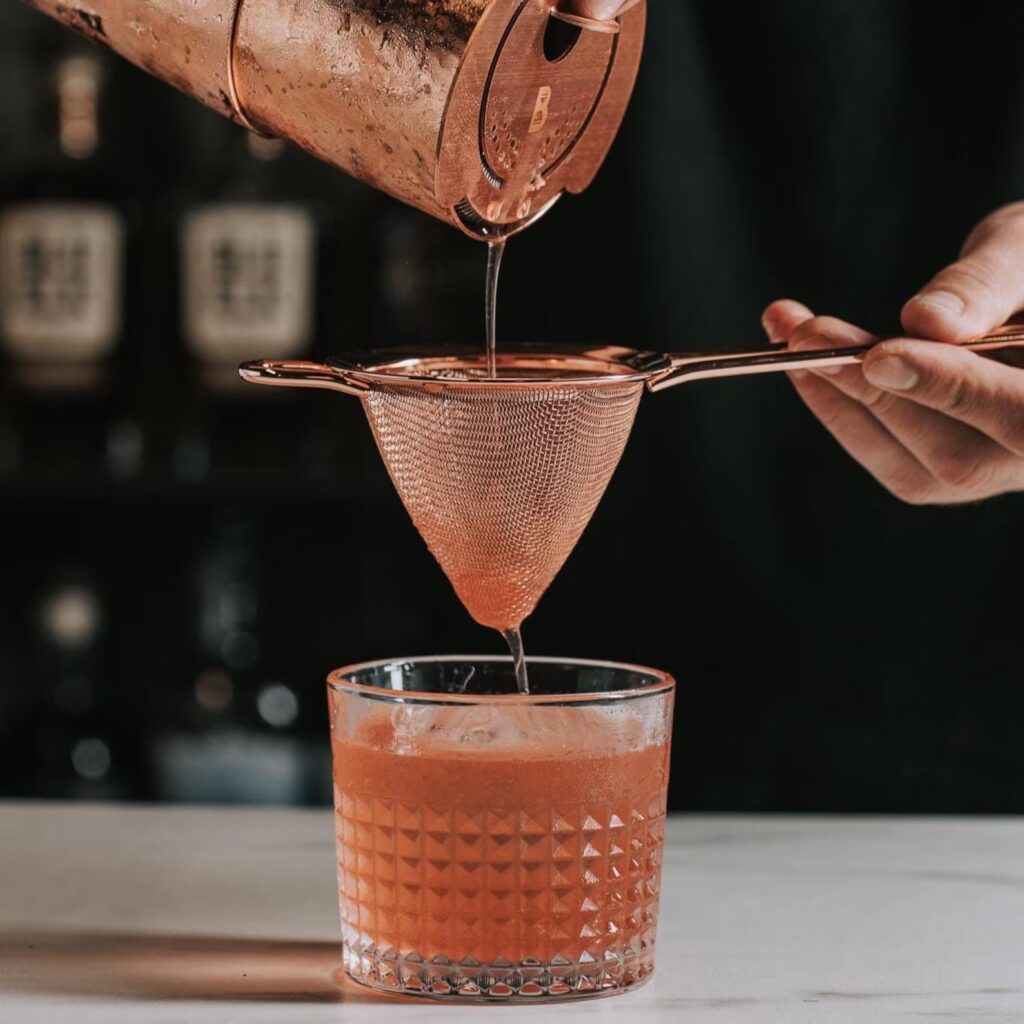
Fine Mesh Strainer
Bar Spoon
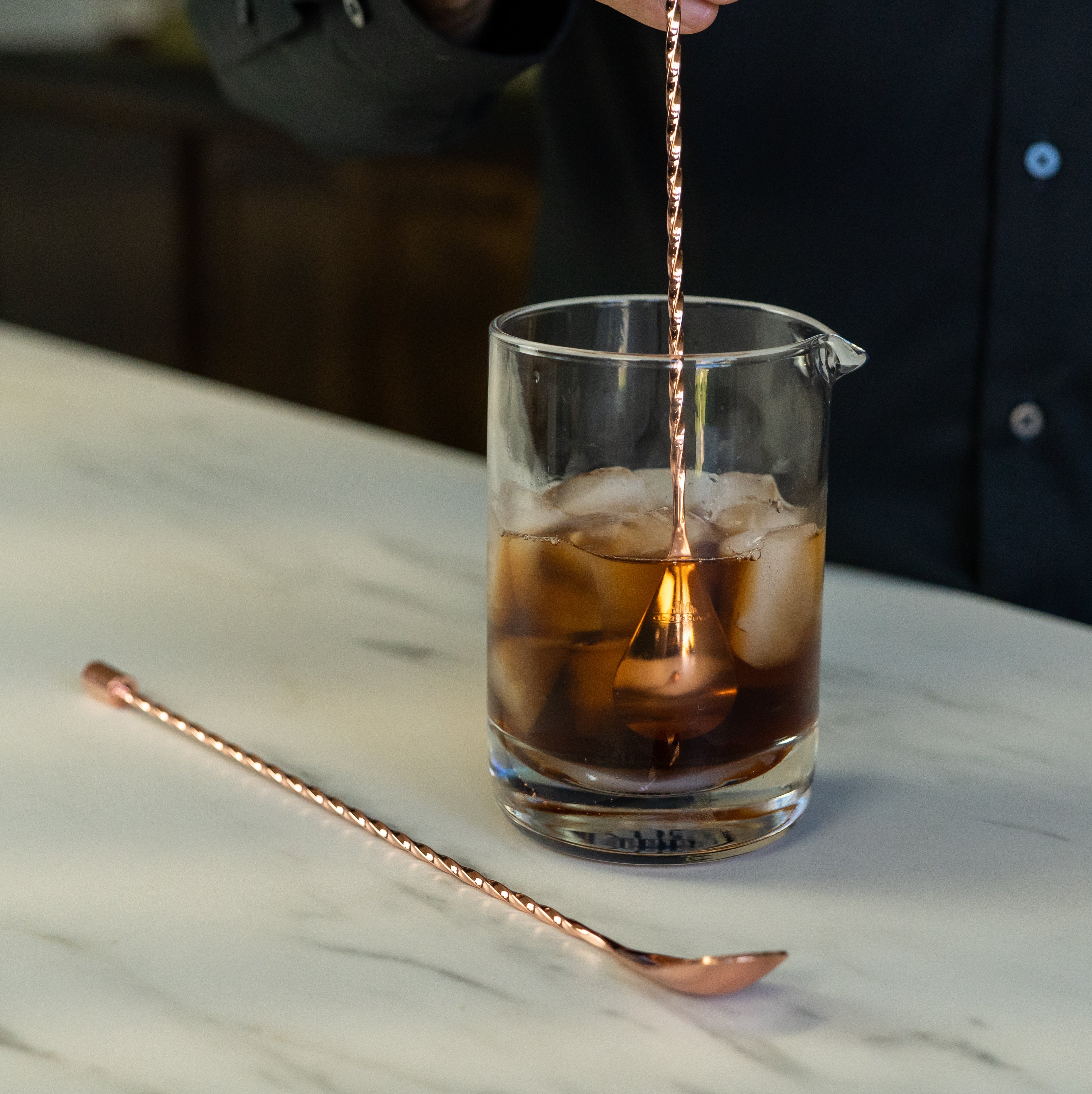
A bar spoon is designed specifically for stirring cocktails, particularly those that are spirit-forward and do not require shaking. Its long handle allows it to reach the bottom of a mixing glass, while its twisted shaft helps guide smooth, controlled movement through the liquid.
Stirring is about precision rather than force. The goal is to chill and dilute the drink evenly without introducing unnecessary agitation. A proper bar spoon makes this process feel fluid and controlled, whereas a standard spoon often feels clumsy by comparison.

Citrus Press
Fresh citrus is one of the most impactful ingredients in a cocktail, and how you extract it matters. Bottled juice lacks the brightness and complexity of fresh citrus, often resulting in drinks that taste muted or unbalanced.
A citrus press allows you to extract juice efficiently while keeping seeds and excess pulp out of the mix. It simplifies the process, improves yield, and ensures consistency from one drink to the next. For any cocktail that relies on citrus, it’s an essential tool that delivers immediate results.
The Nice-to-haves
Once the foundational tools are in place, the next layer of barware is less about making a drink possible and more about making it better. These are the tools that refine technique, improve texture, and elevate presentation. You can absolutely make great cocktails without them, but once you start using them, the difference becomes difficult to ignore.

Mixing Glass
A mixing glass becomes essential the moment you begin working with spirit-forward cocktails. Drinks like an Old Fashioned, Manhattan, or Negroni are not meant to be shaken, as shaking introduces aeration that disrupts their texture. Instead, they rely on controlled stirring to chill and dilute while maintaining clarity and weight.
While you can technically stir in a shaker tin or even a standard glass, a proper mixing glass provides both space and stability. Its wider base allows for smoother, more controlled movement of the bar spoon, which results in more even dilution. Over time, this translates into drinks that feel more cohesive, with a cleaner finish and a more intentional texture.

Julep Strainer
A julep strainer is traditionally used with a mixing glass, offering an alternative to the Hawthorne strainer when working with stirred drinks. Its bowl-shaped design fits neatly inside the mixing glass, allowing you to control the pour while keeping ice back.
Functionally, it achieves the same goal as a Hawthorne strainer, but the experience is different. The julep strainer feels more streamlined in this context, particularly when working exclusively with stirred cocktails. It’s less about necessity and more about preference, but for those who enjoy the process as much as the result, it adds a level of refinement that feels intentional rather than improvised.

Muddler
A muddler becomes important when working with fresh ingredients such as herbs, fruit, or sugar cubes. The goal is not to crush aggressively, but to gently press and release essential oils and juices without breaking down the ingredients too far.
This distinction matters more than most people realize. Over-muddling, especially with herbs, can introduce bitterness that throws off the balance of the drink. A proper muddler gives you control over that pressure, allowing you to extract flavor cleanly while maintaining the integrity of the ingredients. It’s a simple tool, but one that rewards restraint and technique.

Citrus Channel Knife/Zester
Garnish is often treated as an afterthought, but it plays a critical role in how a drink is experienced. Aroma is a major component of flavor, and citrus oils—expressed over a drink or incorporated as a garnish—can completely change how it presents.
A peeler, channel knife, or zester allows you to work with citrus in a more controlled and intentional way. Whether you’re creating a wide peel to express oils over an Old Fashioned or a finer zest to layer subtle aroma into a drink, these tools give you the ability to shape that final detail. It’s not just about appearance—it’s about enhancing the drink before the first sip.

Ice Molds
Ice is one of the most overlooked components of a cocktail, yet it has a direct impact on both dilution and presentation. Standard ice cubes melt quickly and inconsistently, which can dilute a drink faster than intended and alter its balance as it sits.
Large-format ice—whether in the form of spheres or oversized cubes—melts more slowly and evenly. This gives you greater control over how the drink evolves over time, particularly in spirit-forward cocktails like an Old Fashioned. The slower melt preserves structure, while the visual impact adds a level of polish that elevates the entire experience.
Final Thoughts
Barware is not about collecting tools for the sake of it, but about removing variables that stand between you and a well-made drink. Each piece has a purpose, and when that purpose is understood, the process becomes more intuitive and the results more consistent.
As you begin to build your bar, the difference becomes immediately noticeable. Balance is easier to achieve, dilution becomes controlled rather than accidental, and the overall experience feels more deliberate. The goal is not to replicate a professional bar, but to understand the mechanics behind what makes a drink work—and to give yourself the tools to execute it well.