
Carrots are best known for their beta-carotene content, which the body converts into vitamin A—essential for vision, immune function, and skin health. They also bring fiber, potassium, and a range of antioxidants that support overall health. But in the kitchen, what matters more is how those nutrients show up structurally. Carrots carry water, natural sugars, and a firm cellular structure that holds up to heat. That combination makes them both resilient and reactive—able to soften, sweeten, and integrate without falling apart too quickly.
Carrots bring sweetness—but not in the way sugar does. It’s gradual, built through cooking, and tied to their structure. They also carry moisture. As they cook, they release water slowly, helping to soften and blend surrounding ingredients while contributing to the overall texture of the dish. Raw, they’re crisp, slightly earthy, and mildly sweet. Cooked, that sweetness deepens and rounds out, especially when exposed to dry heat. They add body, balance, and a subtle richness that supports other ingredients without overpowering them.
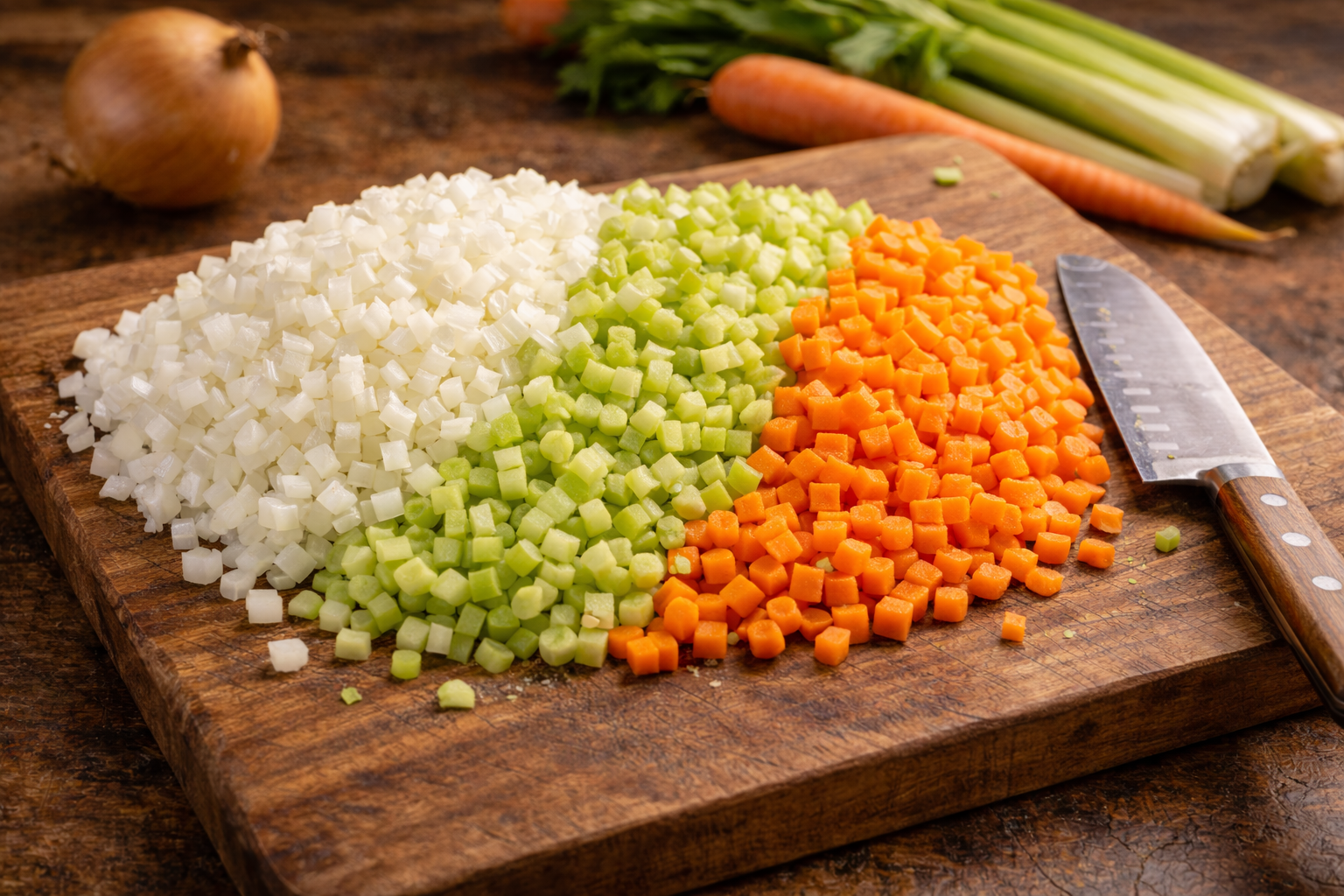
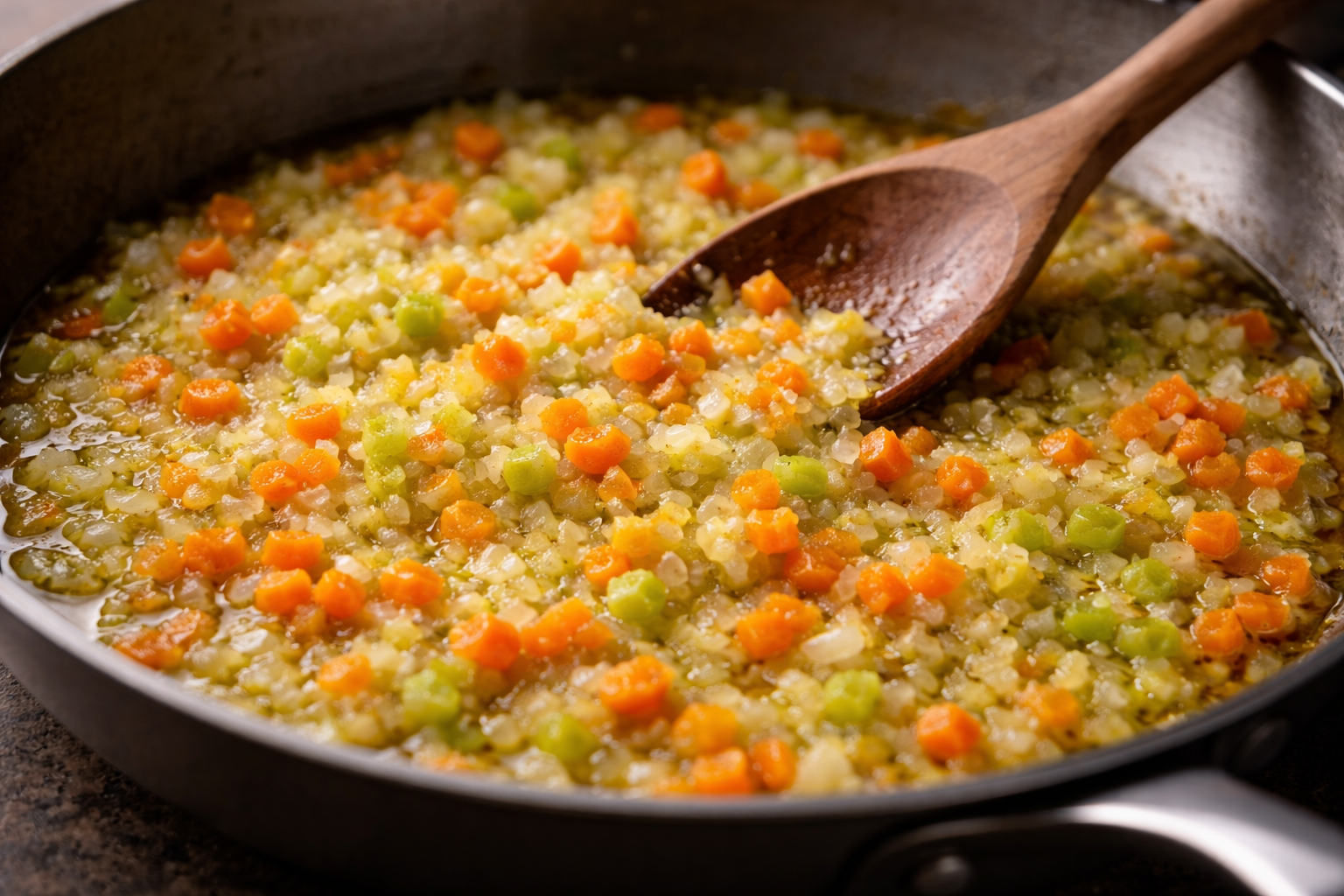
Carrots don’t build depth the way onions do. They build body and sweetness. They round out harsher edges, soften bitterness, and add a subtle richness that makes a dish feel more complete. When cooked slowly alongside other aromatics, they help create a balanced base—one that isn’t overly sharp or overly heavy. They’re not the lead—they’re part of the foundation.
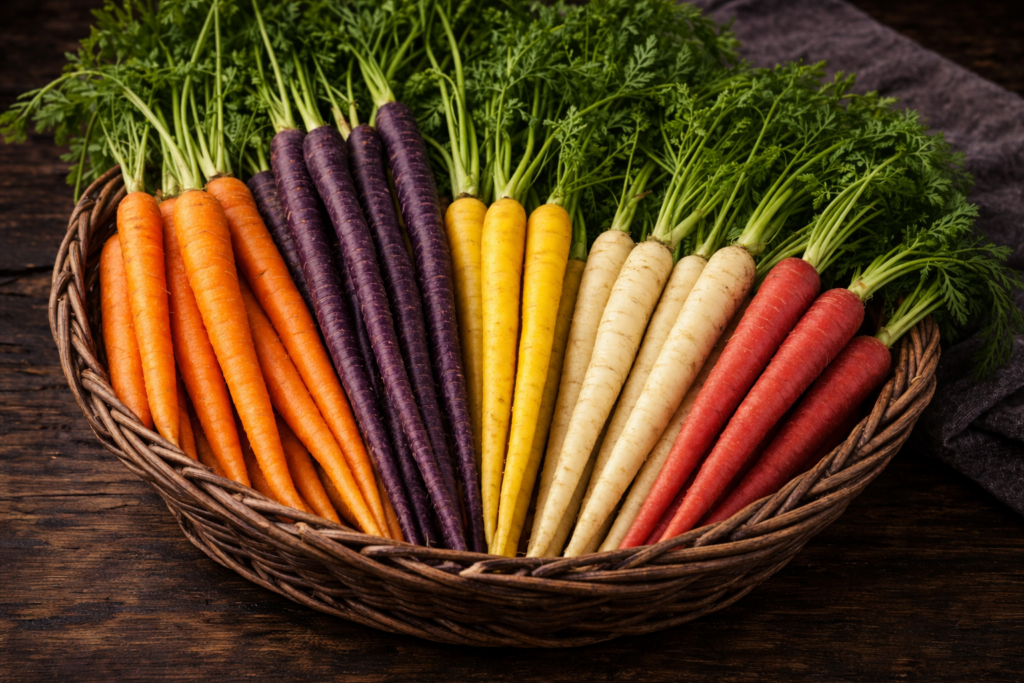
Most people default to orange carrots, but different varieties shift how that sweetness and structure show up. Different colors don’t just change appearance—they shift how carrots behave in the dish.
Raw carrots are firm, crisp, and slightly sharp. The sweetness is there, but it sits underneath the structure. Cooking changes that completely.
As heat breaks down the cell walls, carrots soften and release their sugars. That sweetness becomes more pronounced, and the texture shifts from crisp to tender. With enough time, they move from structured pieces to something that blends seamlessly into the dish.
Carrots show up across cuisines in foundational roles. Different techniques, different combinations—but the same role: carrots bring balance, body, and a controlled sweetness.
Cooking carrots makes them easier to digest. As they soften, their fibers break down, making them more accessible both in texture and in how the body processes them. From a practical standpoint, carrots are forgiving. They hold up to long cooking without collapsing too quickly, and they store well, making them a reliable staple to keep on hand. They also transition easily between roles—raw for crunch, cooked for integration, puréed for smoothness.
Carrots aren’t there to stand out—they’re there to complete what’s already in the pan. They add sweetness without sugar, structure without heaviness, and balance without drawing attention to themselves. When used well, they don’t announce themselves—they make everything else work better. Understanding how they behave—raw versus cooked, whole versus broken down, sweet versus subtle—gives you control over that balance. And once you have that, you’re not just adding carrots. You’re shaping the dish.