American cuisine is less a single tradition than a mosaic of regional identities, shaped as much by geography as by centuries of migration. Indigenous foodways laid the foundation—corn, beans, squash, wild rice, chiles, maple, and game—forming the backbone of what would become the American table. As settlers arrived from around the world, they brought their own herbs, spices, and techniques, gradually layering new flavors onto these native ingredients.
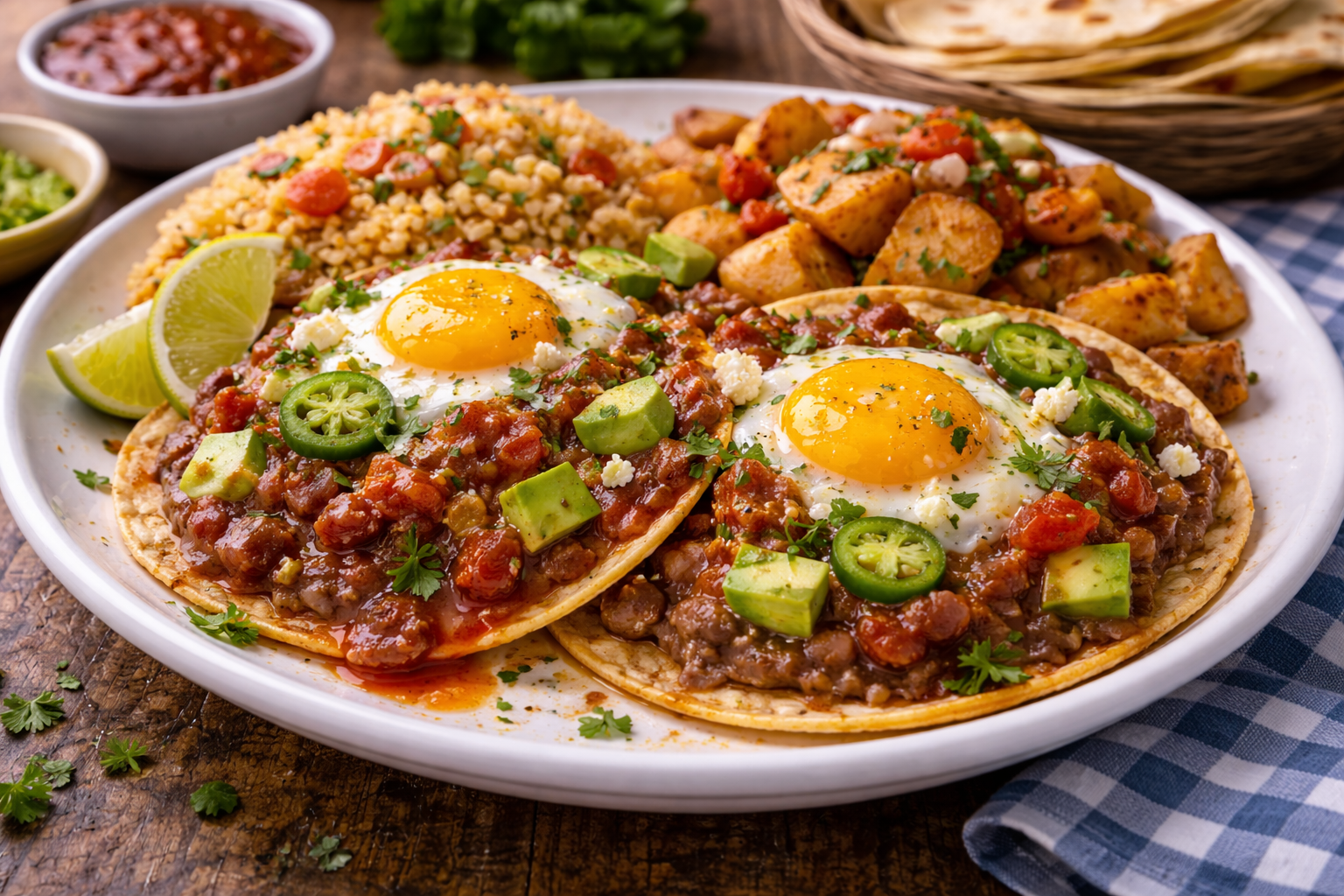
European immigrants introduced staples and herbs such as thyme, parsley, dill, sage, and bay, along with traditions of baking, curing, and slow braising. African cooks profoundly shaped Southern cuisine, contributing ingredients like rice, okra, and black-eyed peas, along with techniques that gave rise to many of the soulful dishes now synonymous with the region. Later waves of immigrants from Latin America, Asia, and the Pacific added bright chiles, citrus, soy, ginger, garlic, and countless other elements that broadened the American flavor palette even further.
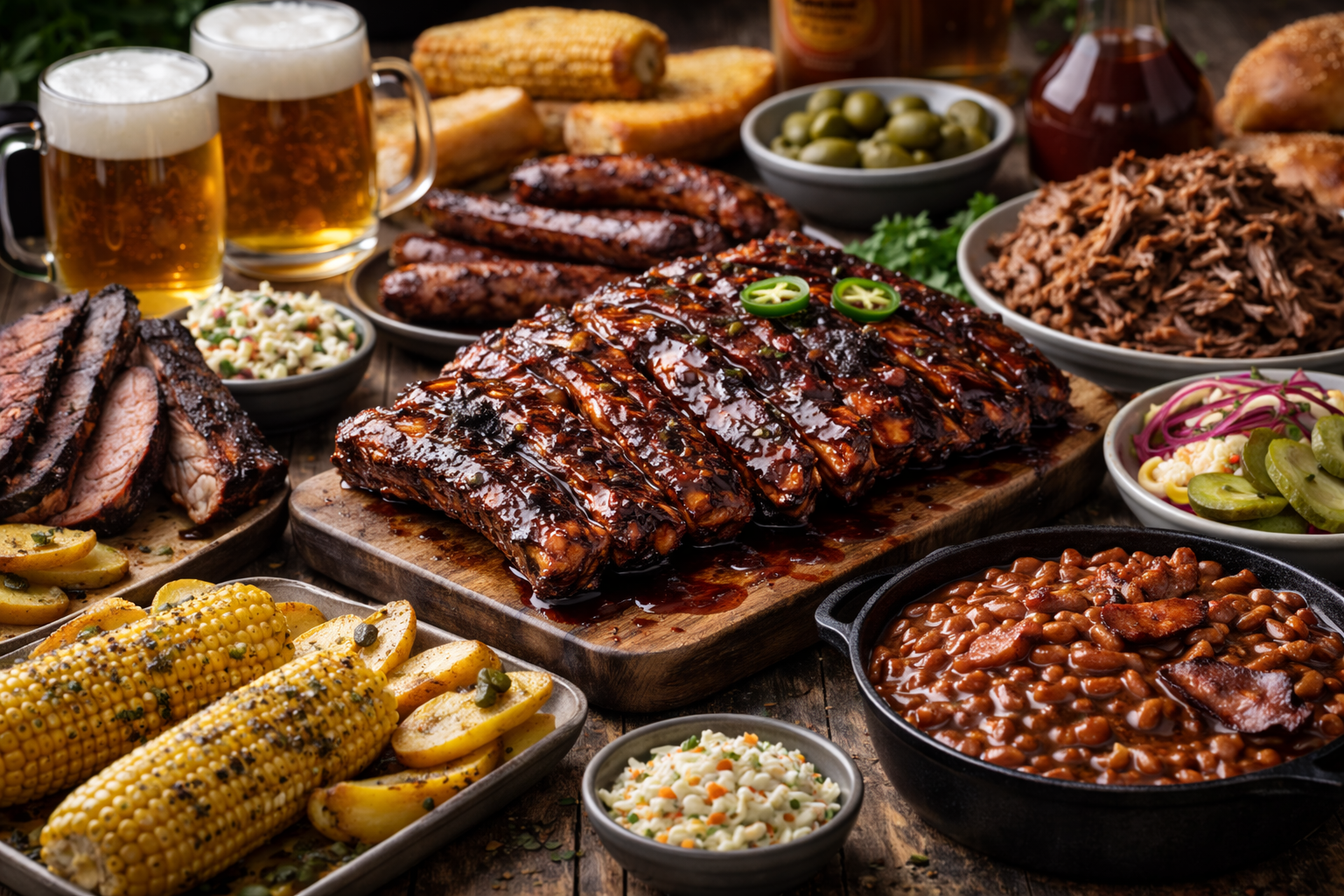
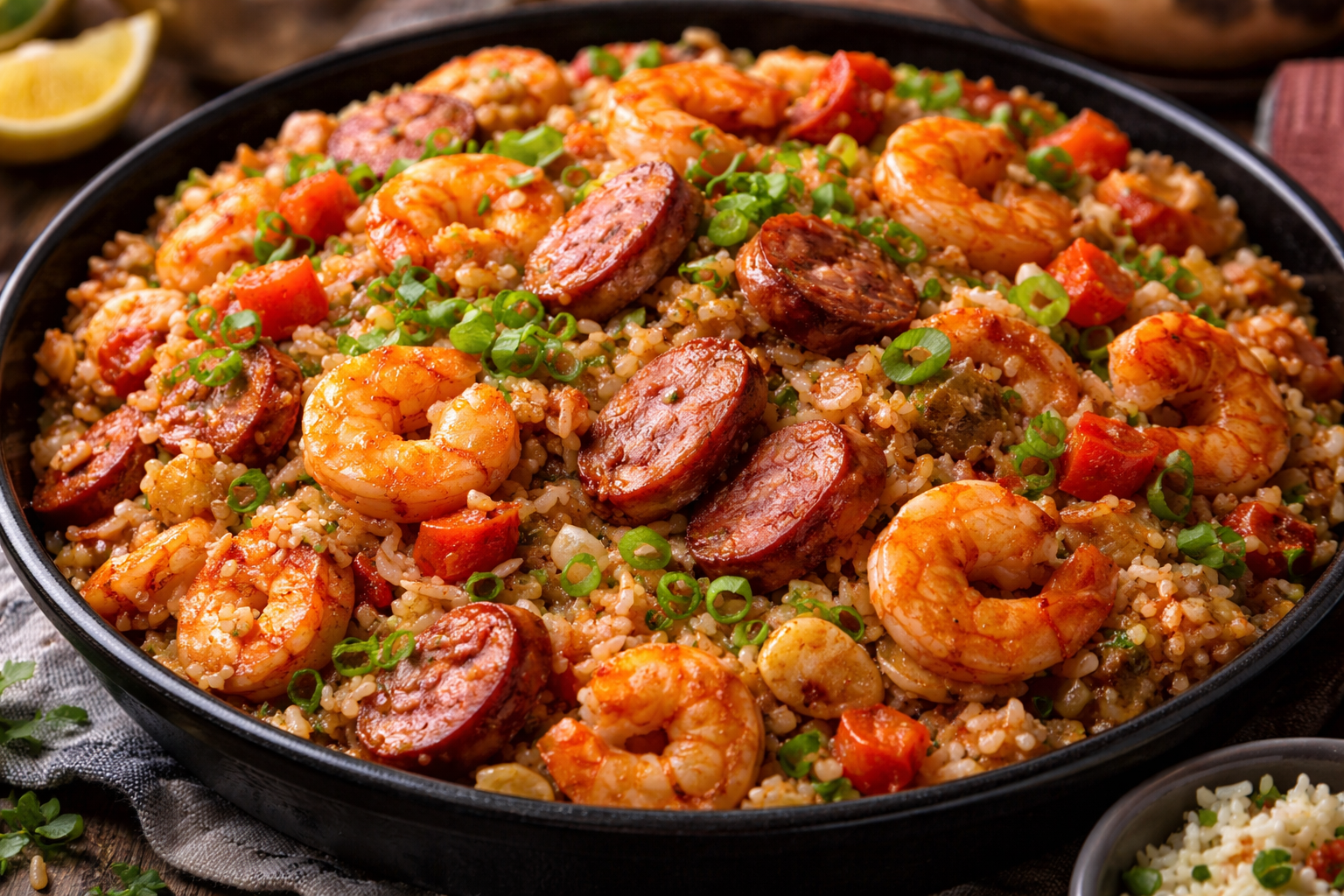
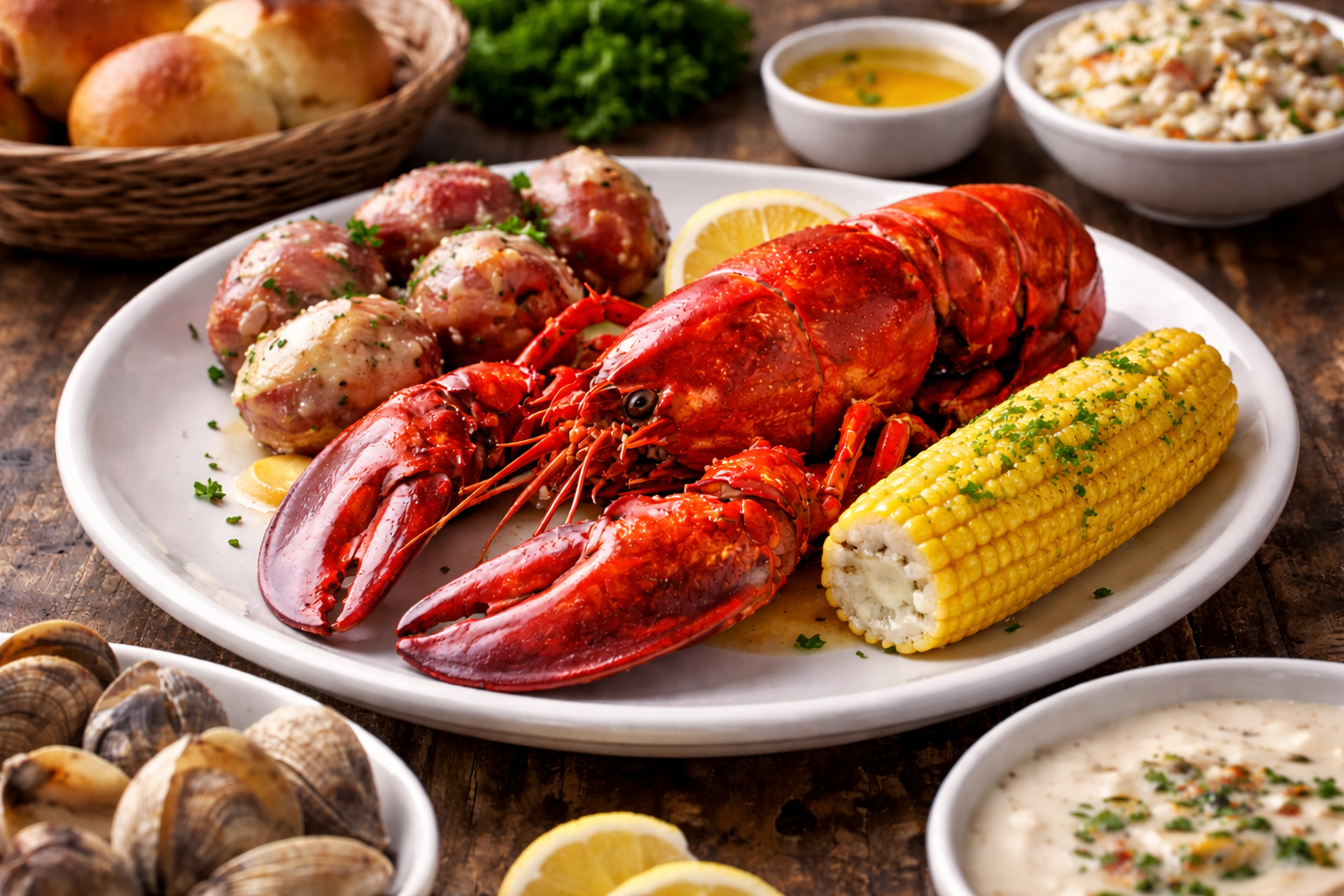
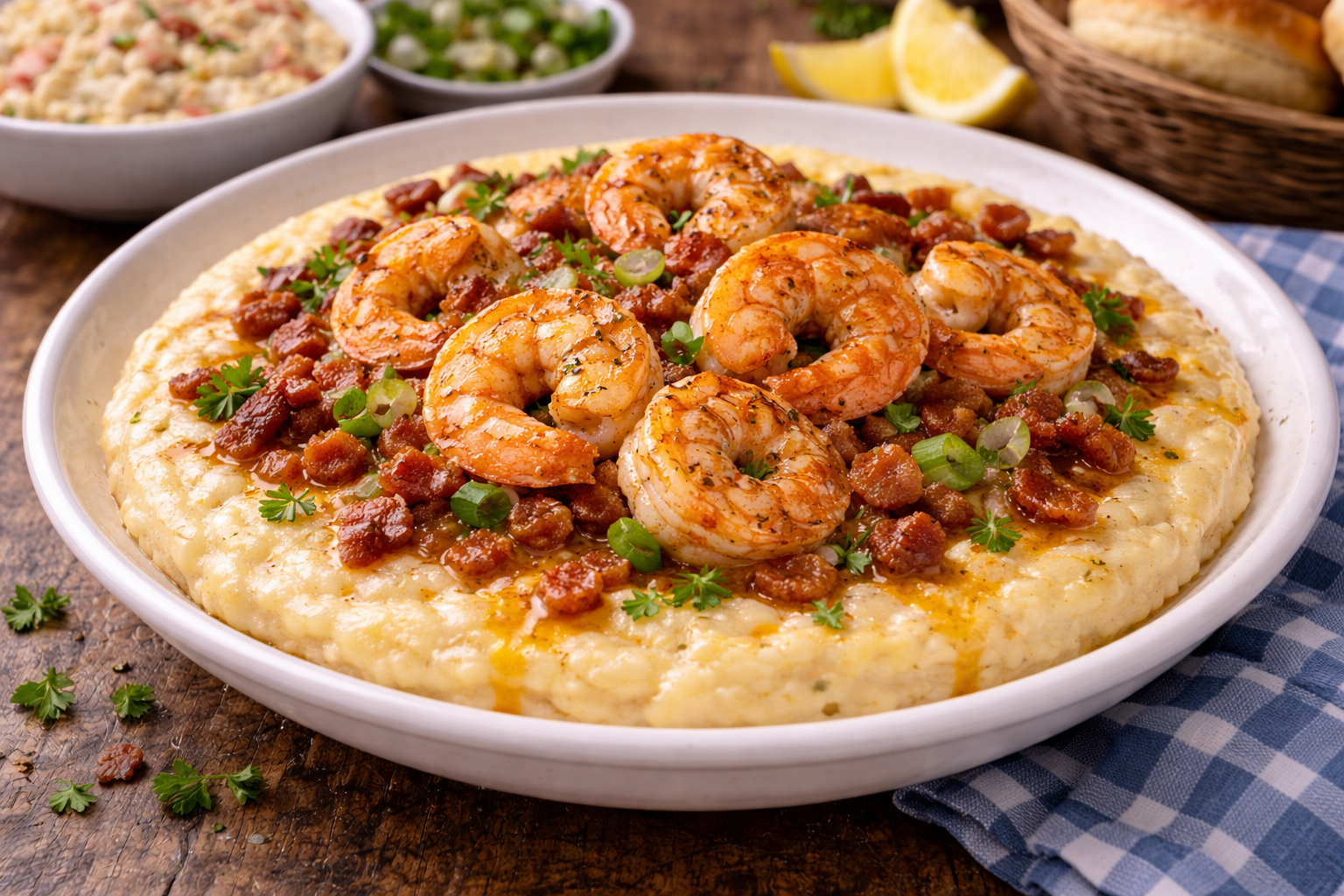
The result is a country defined by regional nuance. The American South is known for bold seasoning, slow cooking, and deeply comforting dishes. Cajun and Creole cuisine in Louisiana reflects a remarkable blend of French, Spanish, African, and Caribbean influence, layered with herbs, peppers, and the unmistakable depth of a dark roux. Across the Midwest, practicality and abundance shape hearty fare, while New England’s coastal traditions lean toward seafood, dairy, and simple preparations that let ingredients shine.
Together, these traditions form a true culinary melting pot—distinct regional voices united by a shared spirit of adaptation. Local ingredients, layered seasoning, and the blending of cultures have created a cuisine that is constantly evolving, yet deeply rooted in the people and places that shape it.