Anthony Road | Finger Lakes Dry Riesling (2022)

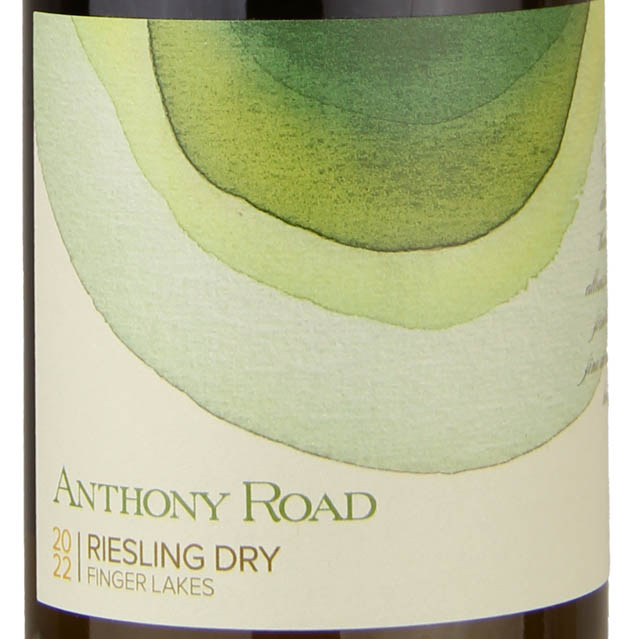
Anthony Road | Finger Lakes Dry Riesling (2022)

Dry Riesling plays differently depending on how it’s built. Anthony Road leans toward balance over austerity—the 2022 is bright and structured, with a touch of softness that makes it easier to work with across a range of dishes.

On the Nose

Clean and expressive—crisp apple, tangerine, and lime zest lead, with delicate floral notes and a subtle herbal edge. There’s a light mineral thread running underneath that keeps everything grounded.

On the Tongue

Bright and precise, but not sharp. The acidity is high, as expected, but it’s balanced by a slight softness that rounds out the edges. Citrus and orchard fruit carry through the palate, with a clean, mineral finish and just enough texture from lees aging to give it some presence. It reads dry—but not aggressive.

On the Record

Details:

  • Producer: Anthony Road Wine Company
  • Region: Finger Lakes, New York
  • Vintage: 2022
  • Varietal: Riesling
  • ABV: 11.7%
  • pH: 2.9
  • Acidity: 8.5 g/L
  • Residual Sugar: 7.5 g/L
  • Average Brix at Harvest: 19.6°Bx
  • Harvest: October 11th, 12th, & 14th, 2022
  • Winemaking Notes: Machine harvested fruit. Pressed into stainless steel tank to cold settle for two days then racked off the juice bottoms into stainless steel tanks to ferment. Native and commercial yeasts were employed to create many expressions of the fruit that would be used in the final blending of the wine. The wine spent about 7 months resting on the lees before the wine was readied for bottling.

Critical Reception:

  • Vinous — 92 pts
  • James Suckling — 90 pts
  • Wine & Spirits — 92 pts

TastyDaddy Rating: 8.9 / 10
Highly versatile, technically precise, and more adaptable than most wines labeled “dry.”

On the Table

This is where the wine really shows its value—it’s built to handle complexity. It works best with dishes that balance salt, acidity, and a bit of richness, especially when there’s an aromatic component in play. The high acidity keeps everything lifted, while the slight softness prevents it from turning sharp against soy, citrus, or spice.

It’s particularly strong with:

  • Soy-based dishes and umami-driven sauces
  • Ginger, citrus, and lightly spiced profiles
  • Fried elements and starch (fries, rice, noodles)
  • Seafood or lighter proteins with bold seasoning

On the Wallet

Typically $18–$25, depending on the retailer.

This sits firmly in the high-value tier—you’re getting precision, balance, and versatility at a price point where most wines are far less interesting. For what it delivers, this punches well above its weight.
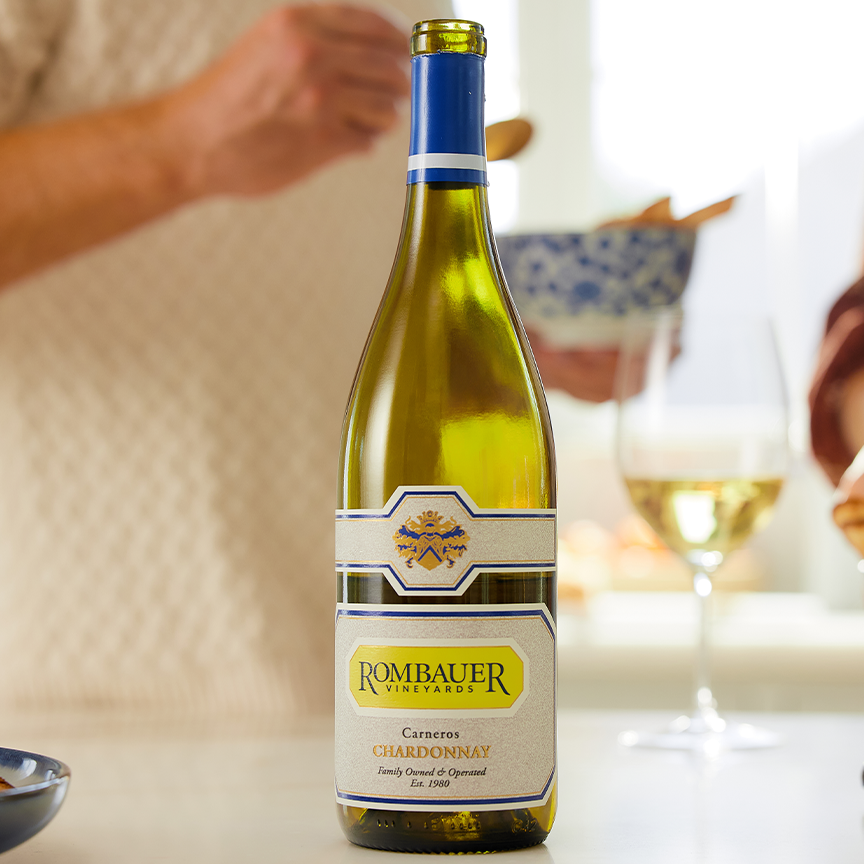
Rombauer | Carneros Chardonnay (2024)

Drinkware isn’t about aesthetics—it’s about intention. Different drinks call for different vessels, each designed to influence temperature, dilution, aroma, and overall experience. From glass to metal, the material and shape both play a role in how a drink is served and how it evolves. The right choice enhances what’s already there, while the wrong one works against it. Learn the difference, and your drinks instantly feel more dialed in.

Rombauer | Carneros Chardonnay (2024)

Not all Chardonnay plays the same role at the table. Some are built for acidity and precision—others are built for richness and weight. Rombauer has long leaned into the latter, producing a style that’s full, expressive, and designed to hold its own alongside more indulgent dishes. The 2024 Carneros release continues that approach with confidence.

On the Nose

Immediately expressive and unmistakably ripe—pineapple, mango, and baked apple come forward first, followed by notes of vanilla, buttercream, and a touch of toasted oak. There’s a hint of citrus underneath, but this leans warm and lush rather than bright and restrained. It’s aromatic in a way that announces itself the moment it’s poured.

On the Tongue

Full-bodied and creamy, with that signature Rombauer richness. The palate is layered with ripe tropical fruit—pineapple and peach—wrapped in vanilla and caramelized oak. Malolactic fermentation shows clearly here, giving it that smooth, buttery texture people either seek out or avoid.

The acidity is present, but it plays a supporting role—it keeps the wine from feeling heavy, but this is very much about texture and indulgence over sharpness or minerality. The finish is long, round, and slightly sweet-leaning in perception due to the ripeness of the fruit.

On the Record

Details:

  • Producer: Rombauer Vineyards
  • Region: Carneros, California
  • Vintage: 2024
  • Varietal: Chardonnay
  • ABV: 14.6%
  • Average Brix at Harvest: 24°Bx
  • Harvest: August 28 – October 8, 2024
  • Cooperage: 9 months in French & American oak (37% new)
  • Fermentation: Full malolactic
  • Bâtonnage: Lees stirring every 7-10 days

Critical Reception:

  • Not yet widely reviewed for the 2024 vintage.
    Historically, Rombauer Carneros Chardonnay vintages tend to land in the low-mid 90s among major critics (92-96 points in the past years).

TastyDaddy Rating: 8.6 / 10
Not subtle—but that’s the point. It delivers exactly what it promises, and it does it well.

On the Table

This leans rich and full, so the food needs to meet it there. Dishes built around butter, cream, or cheese tend to align naturally, especially when paired with roasting or pan-searing to develop depth and light caramelization. Salt and texture do the rest—bringing the wine into balance so its richness integrates rather than dominates.

Some examples of dishes that pair well:

  • Gruyère, Comté, or aged Alpine cheeses
  • Pasta in cream or cheese-based sauces
  • Roast Chicken with pan jus or cream sauce
  • Chicken Cordon Bleu
  • Creamy Shrimp Risotto
  • Butter-poached lobster or crab

On the Wallet

Typically $40–$50 retail, depending on the market.

This sits in that upper-mid tier where you’re paying for consistency and style recognition as much as the wine itself. If you like bold, buttery Chardonnay, this feels worth it. If you prefer lean, mineral-driven wines, this will feel overpriced for your palate.

Freemark Abbey | Los Carneros Chardonnay (2021)

Drinkware isn’t about aesthetics—it’s about intention. Different drinks call for different vessels, each designed to influence temperature, dilution, aroma, and overall experience. From glass to metal, the material and shape both play a role in how a drink is served and how it evolves. The right choice enhances what’s already there, while the wrong one works against it. Learn the difference, and your drinks instantly feel more dialed in.

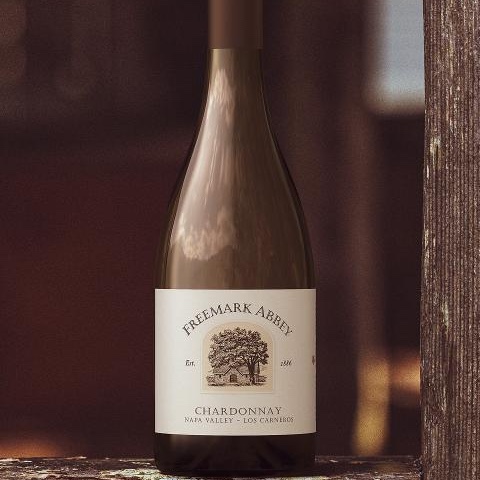
Freemark Abbey | Los Carneros Chardonnay (2021)

On the Nose

Bright orchard fruit leads—crisp apple, ripe pear, and citrus zest—layered with a subtle floral lift. Oak sits just beneath it, adding soft vanilla and toasted almond without dominating. It’s composed and restrained, not overly aromatic, but clearly intentional.

On the Tongue

Medium-bodied with a creamy, polished texture that never tips into heavy. The oak reads as structure rather than butter—vanilla, light toast—balanced by Carneros acidity that keeps everything lifted. Citrus and stone fruit carry through the mid-palate, finishing clean with a slight mineral edge.

On the Record

Details:

  • Producer: Freemark Abbey
  • Region: Los Carneros, Napa Valley
  • Vineyard: Huichica Hills
  • Vintage: 2021
  • Varietal: 100% Chardonnay
  • ABV: 14.5%
  • pH: 3.47
  • Harvest: September 11–16, 2021
  • Aging: 100% French oak (≈16% new)

Critical Reception:

  • The Wine Independent — 94 pts
  • Wine Enthusiast — 93 pts
  • James Suckling — 92 pts
  • Wine Spectator — 92 pts
  • Gismondi on Wine — 88 pts
  • CellarTracker (Community) — 90.7 pts
  • Vivino — 4.1 / 5

TastyDaddy Rating: 8.8 / 10
A strong consensus wine—critics cluster in the low-to-mid 90s, with community scores reinforcing it as reliably well-executed rather than polarizing.

On the Wallet

$60 retail | $48 member pricing

This sits firmly in premium territory. You’re not buying this as a casual weeknight Chardonnay—you’re buying it for intention: a pairing-driven dinner, a bottle that needs to hold up to richer food, or something that delivers balance without leaning too hard into butter or austerity.

At this price, the value isn’t about affordability—it’s about precision and versatility. And this delivers both.