A Good Rim Job

A well-built rim does more than decorate the glass—it shapes the way a cocktail is experienced from the very first taste. Whether it reinforces what’s already in the drink or introduces contrast, the right combination of flavor and texture can sharpen, soften, or elevate the entire build. Handled with intention, the rim becomes part of the cocktail itself, not just something sitting on the edge.
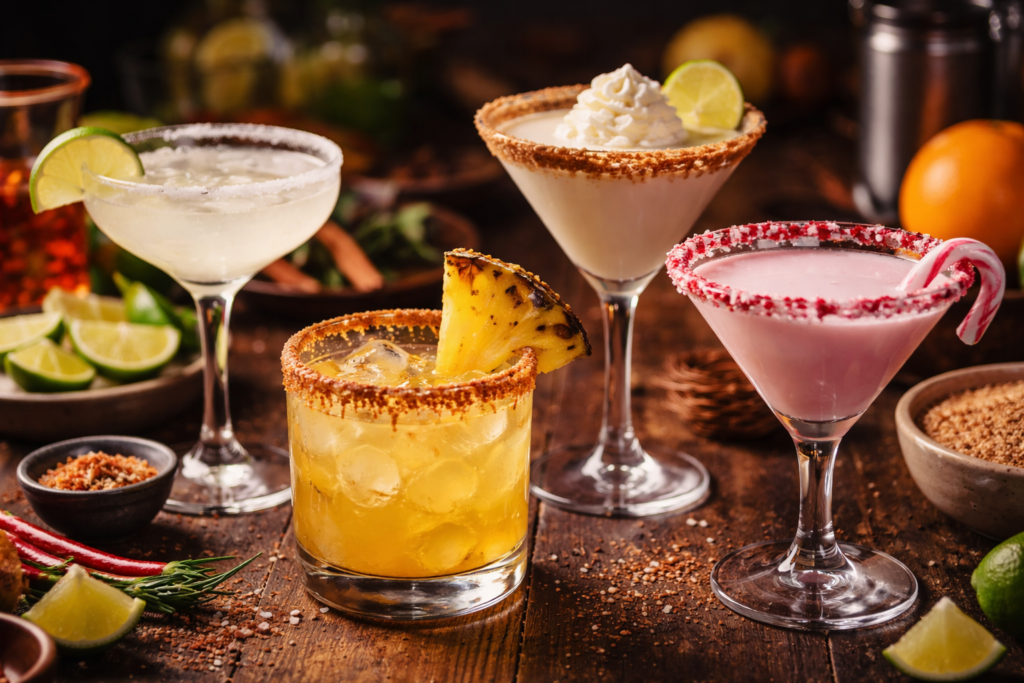
A Good Rim Job

Lick It Before You Sip It

The rim of a glass is easy to treat as decoration, but it’s doing more than that. It’s the first taste—before the first sip—and it sets the direction for everything that follows. It can sharpen what’s already in the glass, soften it, or introduce contrast that changes how the cocktail reads from start to finish. A margarita with a salt rim doesn’t just taste seasoned—it feels brighter, more structured. A sugared rim on a citrus-forward drink rounds the edges before the acidity hits. The rim isn’t separate from the drink—it’s part of the build.

Complement vs Contrast

A good rim works in one of two directions: it either reinforces what’s already in the glass, or it creates tension against it. The difference comes down to intention. The rim should either support the drink or challenge it in a way that makes sense.

  • A complementary rim builds on existing flavors. Salt with citrus. Sugar with fruit. Cocoa with coffee. These choices deepen the profile and make the drink feel more cohesive.
  • A contrasting rim does the opposite. It introduces something the drink doesn’t already have—heat against sweetness, salt against bitterness, spice against cream. When it works, it adds dimension. When it doesn’t, it feels disconnected.

Application Matters

The adhesive you choose determines how the rim behaves and how it integrates with the drink. For a clean, classic application, a simple swipe of lime or lemon juice is enough. It lightly coats the rim without adding weight, allowing salt or sugar to adhere while keeping the focus on the cocktail itself.

When the goal is something more constructed or decorative, a stronger base is needed. Thicker elements such as reduced simple syrup, agave, maple syrup, honey, melted chocolate or frosting, and even fruit preserves or jellies provide the necessary grip to support heavier or more textured rims. In these cases, the adhesive does more than hold—it contributes to the overall flavor, becoming part of the drink rather than sitting alongside it.

The balance comes down to control. Too much, and the rim begins to dominate, adding unnecessary weight and sweetness. Too little, and it fails to hold, breaking apart before it can serve its purpose. Proper application ensures the rim remains intentional, integrated, and consistent from the first sip to the last.

The Right Tools Make It Cleaner

A plate works in a pinch, and it’s how most people start—pour your salt or sugar onto a flat surface, dip, and move on. It gets the job done, but it’s not precise. Coverage can be uneven, excess collects where it shouldn’t, and it’s easy to end up with a rim that looks more accidental than intentional.

Dedicated tools make the process more controlled and consistent. Rim trays and multi-tiered rimmers separate adhesive and garnish into distinct compartments, allowing you to coat the glass cleanly without cross-contamination. They’re designed to match the diameter of standard glassware, which means a more even application and less waste. The result is a rim that looks deliberate and holds up from the first sip to the last.

It’s a small upgrade, but it changes the workflow. Less mess, better consistency, and a cleaner final presentation—especially when you’re making more than one drink at a time.

Bamboo Margarita Salt Rimmer

Crafted from Moso bamboo, this rimmer trades plastic for something more grounded—cleaner, sturdier, and built to last. The magnetic lid swings open with one hand and closes securely, keeping everything contained and ready when you need it. It’s a simple, well-executed tool that works best for single applications, giving you more control and a cleaner rim without the bulk of a multi-tier setup.

3-Tier Bar Glass Rimmer

This is the standard for a reason. The classic three-tier rimmer is what you’ll find behind most bars—built for efficiency and consistency. Made from durable, food-safe ABS plastic, it keeps salt, sugar, and citrus separate for quick, clean application. When you’re done, it folds down for compact storage and cleans easily by hand or in the dishwasher.

7-Tier Acacia Rimming Set

Built for bars running a full cocktail program, this multi-compartment rimmer keeps salts, sugars, citrus, and specialty blends separated for clean, consistent application without cross-contamination. The stackable design helps conserve space, while the wooden frame adds stability and makes it easy to move between prep and service.

12 Pack 4 oz Glass Spice Jars

These small glass jars are perfect for storing pre-made cocktail rim blends, keeping everything fresh, organized, and ready to use. Airtight lids prevent clumping, while the clear glass makes it easy to see what you’re working with—turning rimming into a consistent, controlled step instead of a last-minute add-on.

Stainless Steel Mortar & Pestle

A mortar and pestle gives you control over texture when building custom rim blends, allowing you to crush spices, dried citrus, or sugars to the exact consistency you need. Whether fine for clean adhesion or slightly coarse for added texture, it helps create rims that feel intentional and consistent from one glass to the next.
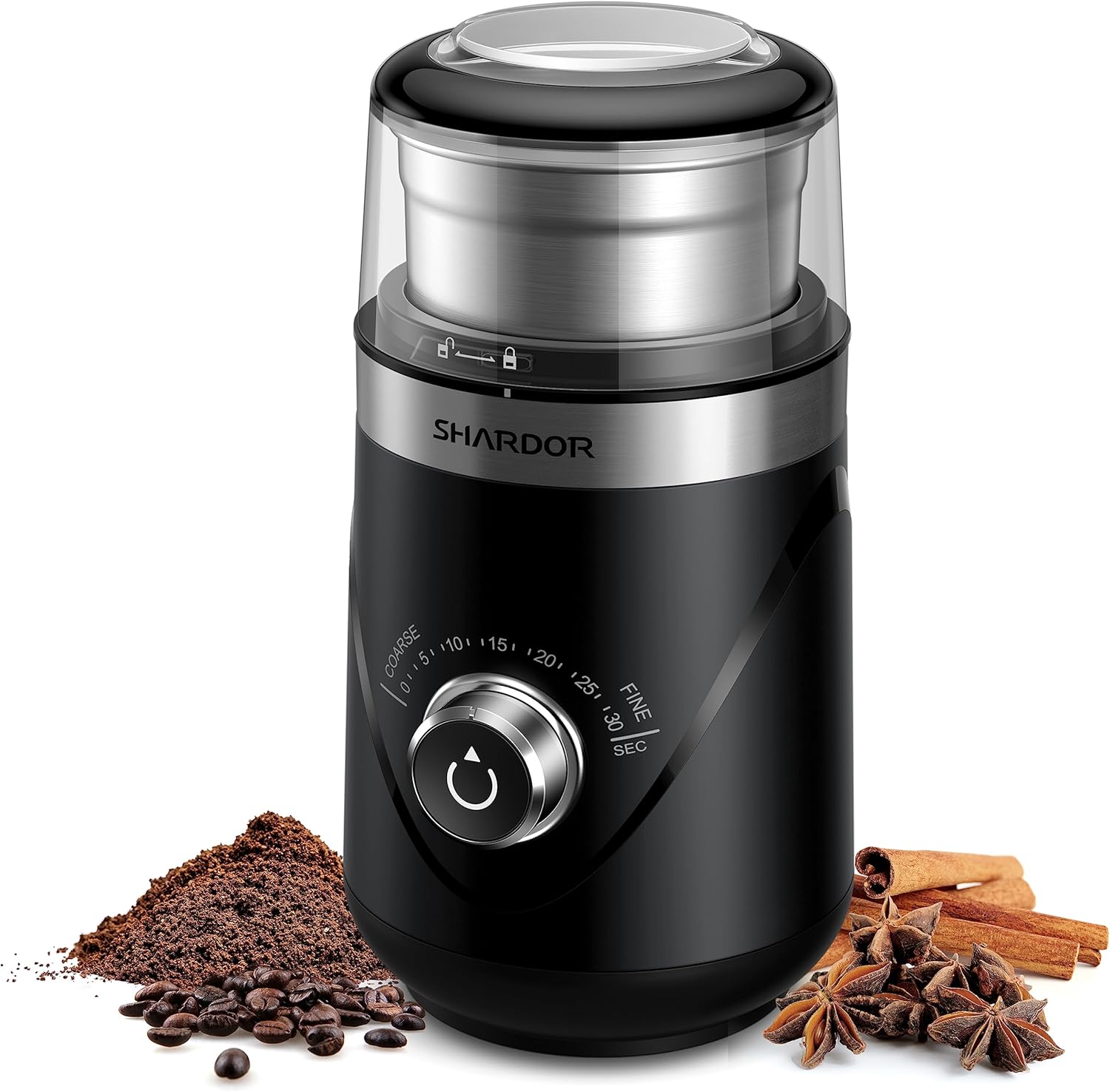
Electric Mill

An electric mill offers a quick, consistent way to break down ingredients for cocktail rims, especially when working with spices, salts, or dried elements. It allows you to control the grind size with minimal effort, making it easy to produce uniform blends that adhere cleanly and deliver a balanced texture from one glass to the next.

Texture Is Part of the Experience

A rim contributes more than flavor—it introduces texture, and that texture shapes how the drink is experienced from the first contact. Fine sugar dissolves almost immediately, blending seamlessly into the sip, while coarse salt or demerara crystals create a brief, subtle crunch before melting away. Crushed ingredients like graham crackers or candy add a more pronounced contrast, shifting the drink toward a dessert-like profile.

That variation isn’t incidental—it changes perception. Texture can slow the sip, add dimension, and create slight differences from one taste to the next, giving the drink more movement and preventing it from feeling flat or uniform.

Examples That Work

Some rims are classic for a reason. Others push a bit further. Each one works because it’s tied to what’s happening in the glass—not just what looks good on the rim.

  • Salt + Lime (Margarita): sharpens acidity, adds structure
  • Sugar (Daiquiri / Lemon Drop): softens citrus, rounds the edge
  • Graham Cracker (Key Lime Pie Martini): adds sweetness and texture, reinforces dessert profile
  • Crushed Candy Cane (Holiday Martini): cool mint + sugar, bright and seasonal
  • Sweet Tajín (Tajín + Demerara): heat, salt, and a touch of sweetness that bridges into the drink
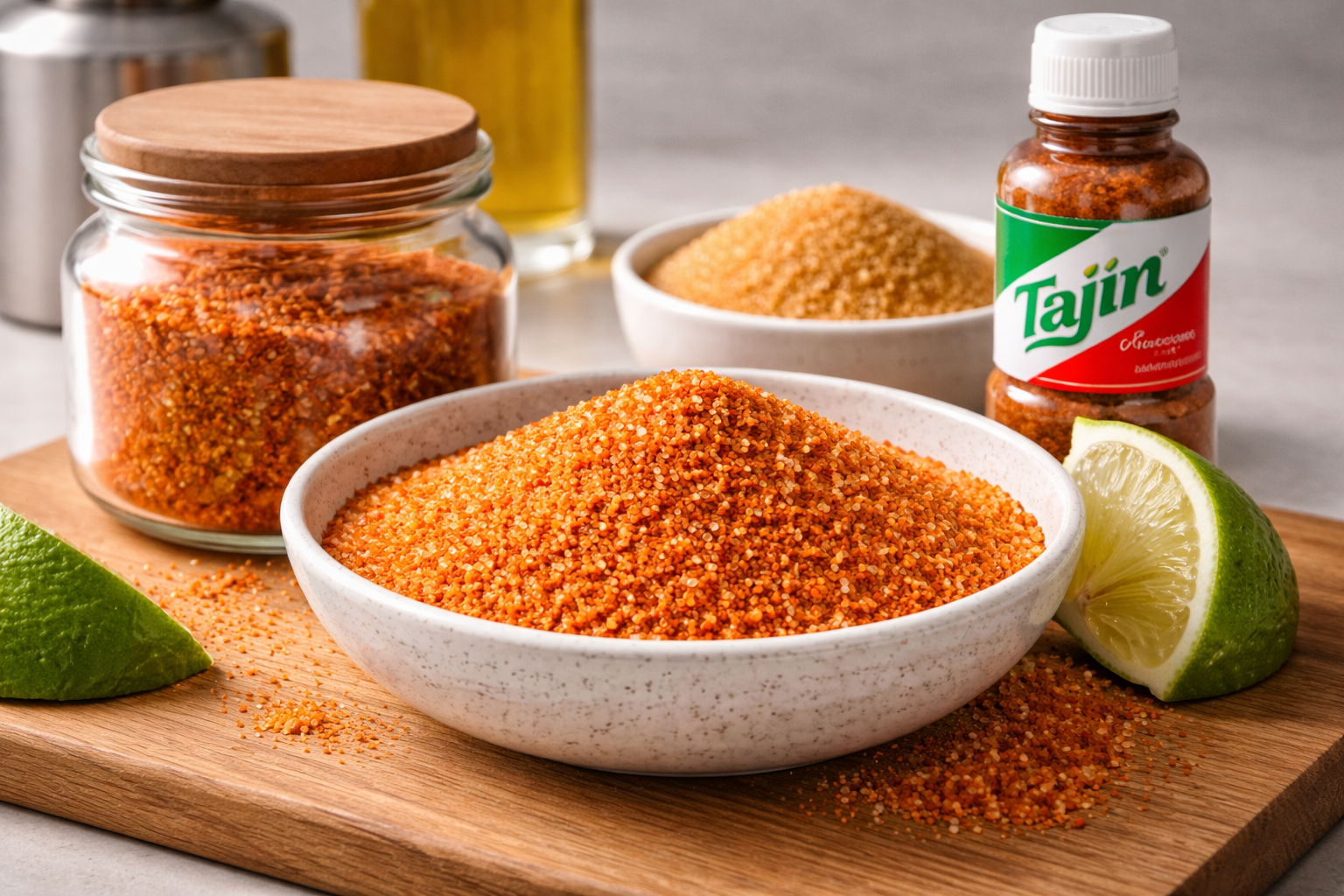
Specialty Cocktail Rim Recipes

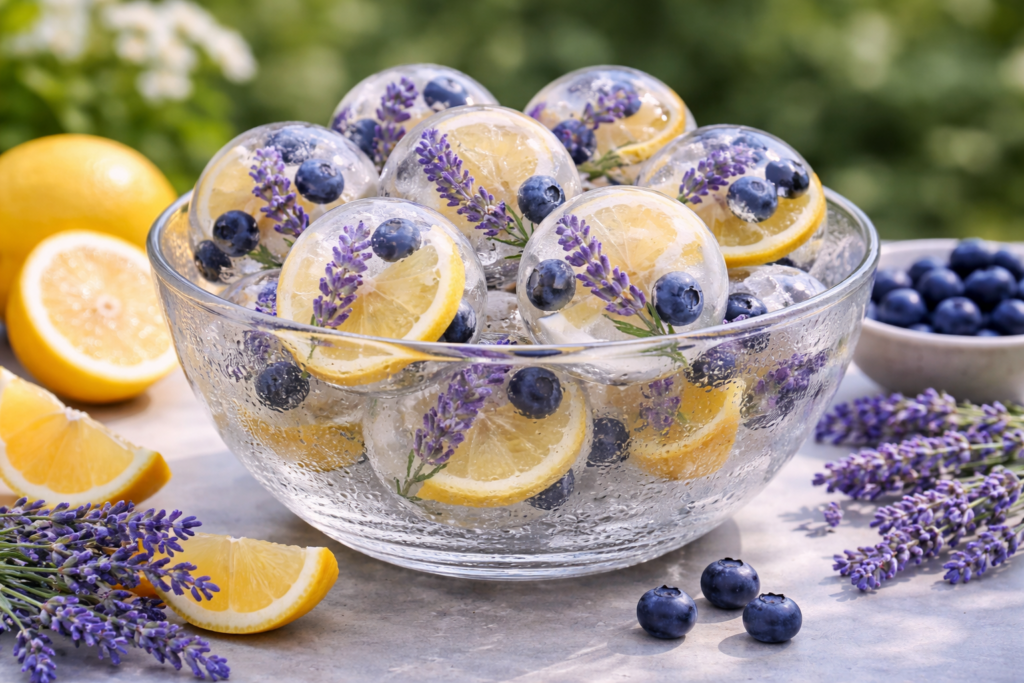
Blueberry Lavender Lemon Ice

Blueberry Lavender Lemon Ice is designed for presentation—suspending garnish directly within the ice so it becomes part of the drink’s composition rather than an afterthought. Clean, structured, and intentional, it elevates the glass or pitcher by building the visual story in from the start.

Blueberry Lavender Lemon Ice

Presentation, built in.

Ice doesn’t have to disappear into the background. When it’s handled with intention, it becomes part of the drink’s composition—adding structure, contrast, and a sense of finish before the first sip. It gives the glass a focal point, something that feels considered rather than incidental.

These decorative pieces are built for that purpose. Clean, well-formed ice with suspended elements that echo what’s in the glass, reinforcing the drink visually without adding clutter. Instead of layering garnish on top, everything is contained, controlled, and integrated—resulting in a presentation that feels composed from the start.

Controlling the placement.

What separates these from standard molds is how they’re built. If everything goes in at once, it floats, shifts, and freezes without structure—leaving the final piece looking scattered rather than composed. Freezing in stages changes that. It allows you to place each element deliberately, then lock it in position before adding the next layer. The result is controlled from the inside out, not left to chance.

That control is what gives the finished ice its clarity and intention. Each piece reads cleanly, with elements suspended exactly where they should be, creating something that feels designed rather than incidental. It’s a small adjustment in process, but it completely changes how the ice presents in the glass.

Where they work.

These are built for drinks where presentation carries weight—where the glass is part of the experience, not just the vessel.

They’re especially effective in something like Blueberry Lavender Lemonade, where the ingredients inside the ice mirror what’s already in the drink. That continuity keeps the build cohesive without adding anything extra.

They also translate well across a range of lighter, more aromatic drinks:

  • Lavender Collins or Blueberry Lavender Collins – the vertical glass gives the ice room to read clearly, reinforcing the botanical and fruit elements
  • Blueberry Margarita – adds contrast against the citrus-forward base, elevating a more casual build into something more composed
  • Spritzers and wine-based drinks – where the color and clarity of the ice stand out against lighter liquids
  • Iced teas and tea-based cocktails – where the lavender becomes more visually pronounced and complements the structure of the drink
  • Mocktails and non-alcoholic builds – where presentation carries even more of the experience

In each case, the ice doesn’t compete—it reinforces what’s already there.

The process.

  1. Fill each mold halfway with filtered water
  2. Add your elements (lemon, blueberries, lavender), spacing them intentionally
  3. Freeze until partially set (about 1–2 hours)
  4. Top off with more water to fully encase the ingredients
  5. Freeze until solid

Once frozen, remove and store in a sealed container until ready to use.

Other shapes.

This approach isn’t limited to spheres—the same method works across different molds, with small adjustments to fit the form.

  • Large cubes: use lemon wheel halves or segments so they sit flat and remain visible
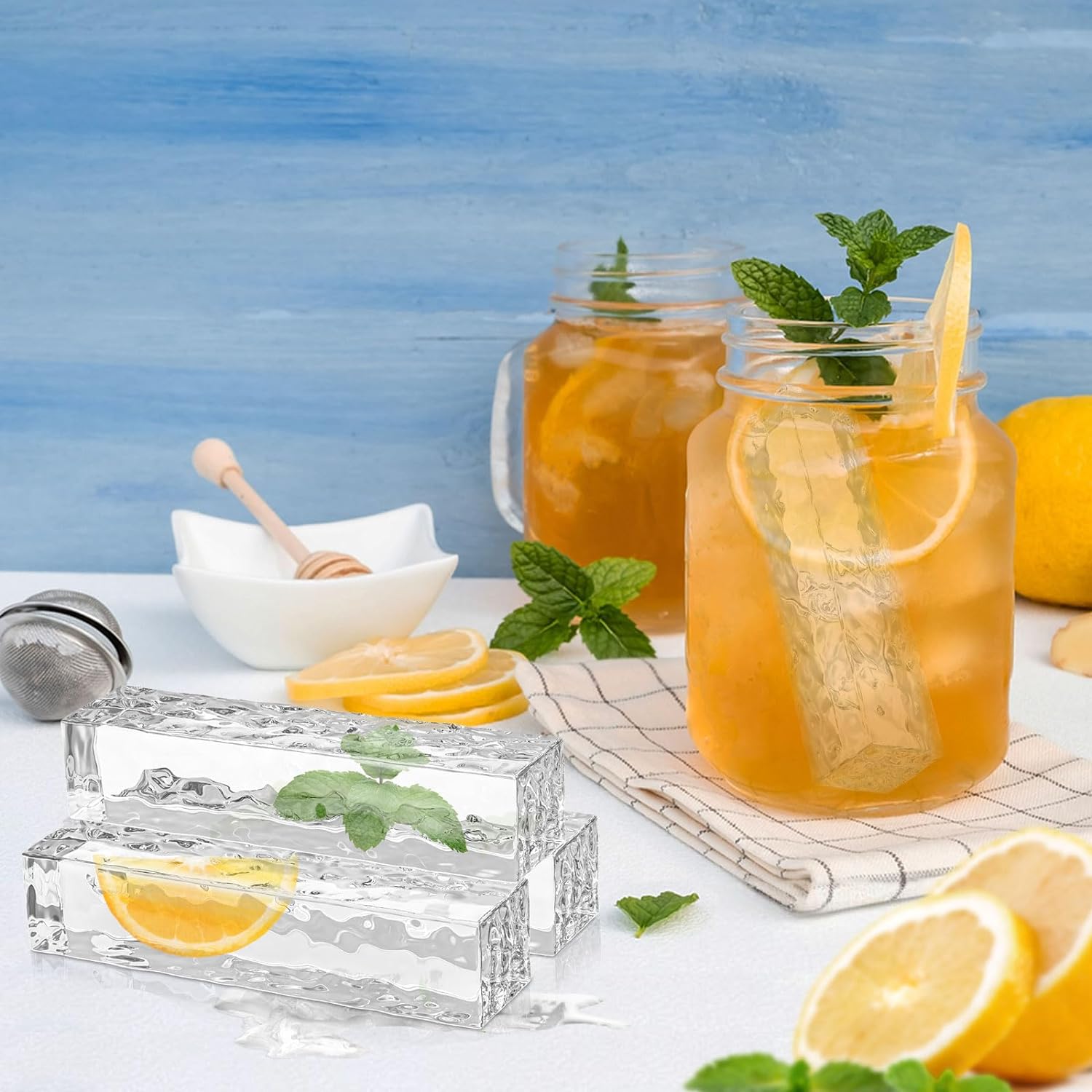
  • Collins spears: switch to lemon twists or peels, layering blueberries along the length
  • Smaller molds: scale everything down—fewer blueberries, smaller lavender sprigs, thinner citrus cuts

The principle stays consistent: keep the composition clean, scale the ingredients to the mold, and build in stages so everything stays where you place it.

Silicone Ice Sphere Mold

A 2.5-inch silicone ice sphere mold produces a single, large piece of ice that chills efficiently while slowing dilution. The flexible silicone allows for easy release, and the size gives the sphere enough presence to elevate the drink from casual to intentional.

Silicone Large Ice Cube Mold

A silicone large ice cube mold produces a clean, solid cube that chills with control while slowing dilution—one of the reasons it’s a staple for Old Fashioneds. The size gives the drink a more composed, deliberate look, and the flexible silicone ensures an easy, consistent release every time.

Silicone Collins Spear Ice Mold

A silicone Collins spear ice mold creates long, narrow ice designed for highball and Collins glasses. The shape chills efficiently while maintaining a clean, vertical presentation that keeps taller drinks looking structured and intentional.

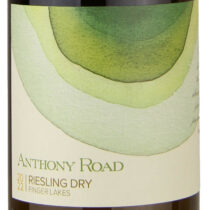
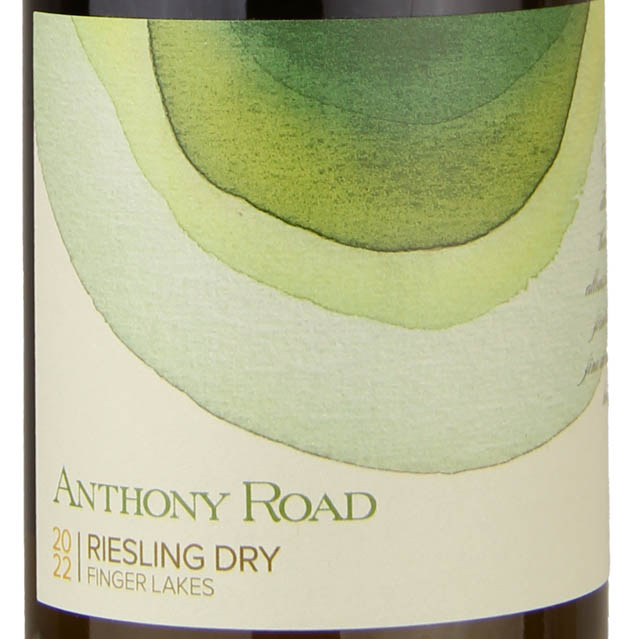
Anthony Road | Finger Lakes Dry Riesling (2022)

Anthony Road | Finger Lakes Dry Riesling (2022)

Dry Riesling plays differently depending on how it’s built. Anthony Road leans toward balance over austerity—the 2022 is bright and structured, with a touch of softness that makes it easier to work with across a range of dishes.

On the Nose

Clean and expressive—crisp apple, tangerine, and lime zest lead, with delicate floral notes and a subtle herbal edge. There’s a light mineral thread running underneath that keeps everything grounded.

On the Tongue

Bright and precise, but not sharp. The acidity is high, as expected, but it’s balanced by a slight softness that rounds out the edges. Citrus and orchard fruit carry through the palate, with a clean, mineral finish and just enough texture from lees aging to give it some presence. It reads dry—but not aggressive.

On the Record

Details:

  • Producer: Anthony Road Wine Company
  • Region: Finger Lakes, New York
  • Vintage: 2022
  • Varietal: Riesling
  • ABV: 11.7%
  • pH: 2.9
  • Acidity: 8.5 g/L
  • Residual Sugar: 7.5 g/L
  • Average Brix at Harvest: 19.6°Bx
  • Harvest: October 11th, 12th, & 14th, 2022
  • Winemaking Notes: Machine harvested fruit. Pressed into stainless steel tank to cold settle for two days then racked off the juice bottoms into stainless steel tanks to ferment. Native and commercial yeasts were employed to create many expressions of the fruit that would be used in the final blending of the wine. The wine spent about 7 months resting on the lees before the wine was readied for bottling.

Critical Reception:

  • Vinous — 92 pts
  • James Suckling — 90 pts
  • Wine & Spirits — 92 pts

TastyDaddy Rating: 8.9 / 10
Highly versatile, technically precise, and more adaptable than most wines labeled “dry.”

On the Table

This is where the wine really shows its value—it’s built to handle complexity. It works best with dishes that balance salt, acidity, and a bit of richness, especially when there’s an aromatic component in play. The high acidity keeps everything lifted, while the slight softness prevents it from turning sharp against soy, citrus, or spice.

It’s particularly strong with:

  • Soy-based dishes and umami-driven sauces
  • Ginger, citrus, and lightly spiced profiles
  • Fried elements and starch (fries, rice, noodles)
  • Seafood or lighter proteins with bold seasoning

On the Wallet

Typically $18–$25, depending on the retailer.

This sits firmly in the high-value tier—you’re getting precision, balance, and versatility at a price point where most wines are far less interesting. For what it delivers, this punches well above its weight.

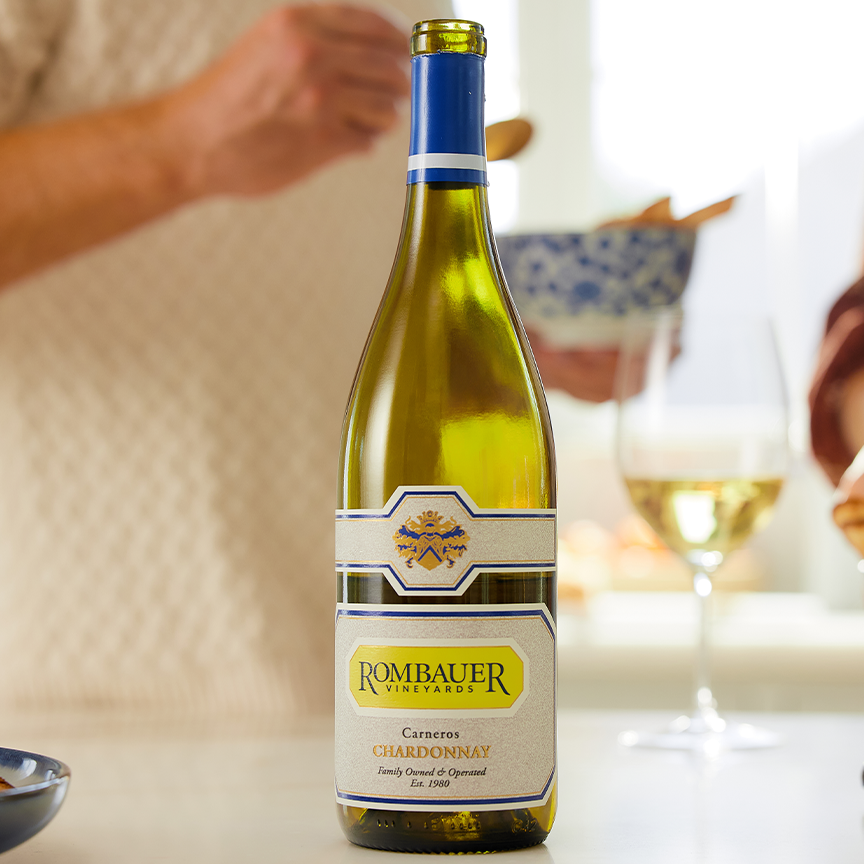
Rombauer | Carneros Chardonnay (2024)

Drinkware isn’t about aesthetics—it’s about intention. Different drinks call for different vessels, each designed to influence temperature, dilution, aroma, and overall experience. From glass to metal, the material and shape both play a role in how a drink is served and how it evolves. The right choice enhances what’s already there, while the wrong one works against it. Learn the difference, and your drinks instantly feel more dialed in.

Rombauer | Carneros Chardonnay (2024)

Not all Chardonnay plays the same role at the table. Some are built for acidity and precision—others are built for richness and weight. Rombauer has long leaned into the latter, producing a style that’s full, expressive, and designed to hold its own alongside more indulgent dishes. The 2024 Carneros release continues that approach with confidence.

On the Nose

Immediately expressive and unmistakably ripe—pineapple, mango, and baked apple come forward first, followed by notes of vanilla, buttercream, and a touch of toasted oak. There’s a hint of citrus underneath, but this leans warm and lush rather than bright and restrained. It’s aromatic in a way that announces itself the moment it’s poured.

On the Tongue

Full-bodied and creamy, with that signature Rombauer richness. The palate is layered with ripe tropical fruit—pineapple and peach—wrapped in vanilla and caramelized oak. Malolactic fermentation shows clearly here, giving it that smooth, buttery texture people either seek out or avoid.

The acidity is present, but it plays a supporting role—it keeps the wine from feeling heavy, but this is very much about texture and indulgence over sharpness or minerality. The finish is long, round, and slightly sweet-leaning in perception due to the ripeness of the fruit.

On the Record

Details:

  • Producer: Rombauer Vineyards
  • Region: Carneros, California
  • Vintage: 2024
  • Varietal: Chardonnay
  • ABV: 14.6%
  • Average Brix at Harvest: 24°Bx
  • Harvest: August 28 – October 8, 2024
  • Cooperage: 9 months in French & American oak (37% new)
  • Fermentation: Full malolactic
  • Bâtonnage: Lees stirring every 7-10 days

Critical Reception:

  • Not yet widely reviewed for the 2024 vintage.
    Historically, Rombauer Carneros Chardonnay vintages tend to land in the low-mid 90s among major critics (92-96 points in the past years).

TastyDaddy Rating: 8.6 / 10
Not subtle—but that’s the point. It delivers exactly what it promises, and it does it well.

On the Table

This leans rich and full, so the food needs to meet it there. Dishes built around butter, cream, or cheese tend to align naturally, especially when paired with roasting or pan-searing to develop depth and light caramelization. Salt and texture do the rest—bringing the wine into balance so its richness integrates rather than dominates.

Some examples of dishes that pair well:

  • Gruyère, Comté, or aged Alpine cheeses
  • Pasta in cream or cheese-based sauces
  • Roast Chicken with pan jus or cream sauce
  • Chicken Cordon Bleu
  • Creamy Shrimp Risotto
  • Butter-poached lobster or crab

On the Wallet

Typically $40–$50 retail, depending on the market.

This sits in that upper-mid tier where you’re paying for consistency and style recognition as much as the wine itself. If you like bold, buttery Chardonnay, this feels worth it. If you prefer lean, mineral-driven wines, this will feel overpriced for your palate.

Freemark Abbey | Los Carneros Chardonnay (2021)

Drinkware isn’t about aesthetics—it’s about intention. Different drinks call for different vessels, each designed to influence temperature, dilution, aroma, and overall experience. From glass to metal, the material and shape both play a role in how a drink is served and how it evolves. The right choice enhances what’s already there, while the wrong one works against it. Learn the difference, and your drinks instantly feel more dialed in.

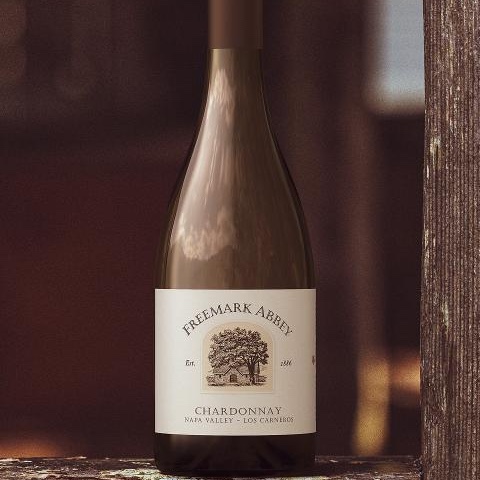
Freemark Abbey | Los Carneros Chardonnay (2021)

On the Nose

Bright orchard fruit leads—crisp apple, ripe pear, and citrus zest—layered with a subtle floral lift. Oak sits just beneath it, adding soft vanilla and toasted almond without dominating. It’s composed and restrained, not overly aromatic, but clearly intentional.

On the Tongue

Medium-bodied with a creamy, polished texture that never tips into heavy. The oak reads as structure rather than butter—vanilla, light toast—balanced by Carneros acidity that keeps everything lifted. Citrus and stone fruit carry through the mid-palate, finishing clean with a slight mineral edge.

On the Record

Details:

  • Producer: Freemark Abbey
  • Region: Los Carneros, Napa Valley
  • Vineyard: Huichica Hills
  • Vintage: 2021
  • Varietal: 100% Chardonnay
  • ABV: 14.5%
  • pH: 3.47
  • Harvest: September 11–16, 2021
  • Aging: 100% French oak (≈16% new)

Critical Reception:

  • The Wine Independent — 94 pts
  • Wine Enthusiast — 93 pts
  • James Suckling — 92 pts
  • Wine Spectator — 92 pts
  • Gismondi on Wine — 88 pts
  • CellarTracker (Community) — 90.7 pts
  • Vivino — 4.1 / 5

TastyDaddy Rating: 8.8 / 10
A strong consensus wine—critics cluster in the low-to-mid 90s, with community scores reinforcing it as reliably well-executed rather than polarizing.

On the Wallet

$60 retail | $48 member pricing

This sits firmly in premium territory. You’re not buying this as a casual weeknight Chardonnay—you’re buying it for intention: a pairing-driven dinner, a bottle that needs to hold up to richer food, or something that delivers balance without leaning too hard into butter or austerity.

At this price, the value isn’t about affordability—it’s about precision and versatility. And this delivers both.

Drinkware 101: Choosing the Right Vessel for Every Drink

Drinkware isn’t about aesthetics—it’s about intention. Different drinks call for different vessels, each designed to influence temperature, dilution, aroma, and overall experience. From glass to metal, the material and shape both play a role in how a drink is served and how it evolves. The right choice enhances what’s already there, while the wrong one works against it. Learn the difference, and your drinks instantly feel more dialed in.

Drinkware 101: Choosing the Right Vessel for Every Drink

Introduction

Drinkware isn’t about aesthetics—it’s about intention. Different drinks call for different vessels, each designed to influence temperature, dilution, aroma, and overall experience. From glass to metal, the material and shape both play a role in how a drink is served and how it evolves. The right choice enhances what’s already there, while the wrong one works against it. Learn the difference, and your drinks instantly feel more dialed in.

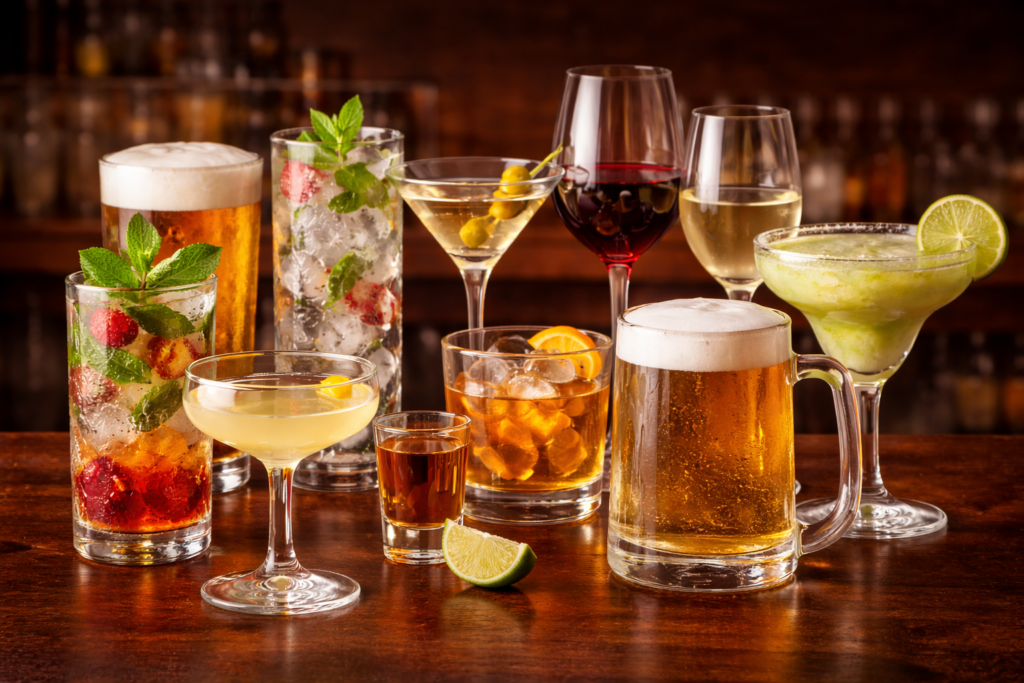
Shot glasses

Shot glasses are built for precision and immediacy, delivering controlled portions in a single, direct serve. While often grouped together, their variations influence both volume and presentation.

The modern shot glass became standardized in the United States in the late 19th to early 20th century, as saloons and distilleries began formalizing pour sizes for consistency and taxation. Earlier versions existed in Europe as small spirit cups, but the American bar culture is what cemented their modern use.

Pony Shot - 1 oz

A pony shot typically holds around 1 ounce, a term that dates back to 19th-century American bartending, where “pony” referred to a smaller-than-standard measure.

Single Shot - 1.5 oz

A single shot, at approximately 1.5 ounces, became the modern U.S. standard pour as liquor laws and bar practices evolved in the early 20th century.

Double Shot - 2 to 3 oz

A double shot, usually 2 to 3 ounces, simply builds on that standard, reflecting a heavier pour rather than a distinct historical design.

Shooter - 2 to 3 oz

A shooter glass, generally 2 to 3 ounces, emerged later alongside layered and novelty shots in late 20th-century bar culture, where visual presentation became part of the experience.

Short / Spirit-Forward Glasses

These glasses are designed for drinks served over ice, where dilution is gradual and intentional. Their shorter, wider form allows for stirring, aromatic expression, and controlled evolution.

Old Fashioned Glass - 6 to 10 oz

The Old Fashioned glass, also known as a rocks glass, lowball, or tumbler, typically holds between 6 to 10 ounces. Its wide opening allows for easy stirring and the expression of citrus oils, making it ideal for spirit-forward cocktails like the Old Fashioned or Negroni, where the drink develops as the ice melts.

Tall / Mixed & Effervescent Glasses

Tall glasses are built for drinks with length—cocktails that incorporate mixers, carbonation, or larger volumes of ice. Their vertical design helps preserve structure while maintaining balance over time. The rise of tall drinkware is closely tied to the late 19th and early 20th centuries, when carbonation became more widely available and drinks began incorporating soda water as a key component.

Delmonico - 5 to 9 oz

The Delmonico glass, typically 5 to 9 ounces, is named after Delmonico’s restaurant in New York, one of the first fine dining establishments in the United States. It represents an early form of structured mixed-drink service, functioning as a more compact highball.

Highball - 8 to 12 oz

A highball glass, generally 8 to 12 ounces, takes its name from the “highball” style of drink—spirit topped with a larger proportion of mixer. The term dates back to late 19th-century railroad slang, later adopted into bar culture.

Collins - 10 to 14 oz

A Collins glass, typically 10 to 14 ounces, is named after the Tom Collins cocktail, popularized in the 19th century. Its taller shape accommodates longer, citrus-forward drinks that require both dilution and volume.

Zombie - 12 to 16+ oz

A zombie glass, usually 12 to 16 ounces or more, emerged in the mid-20th century alongside tiki culture, designed for larger, multi-ingredient cocktails that required both capacity and visual presence.

Stemmed Cocktail Glasses (Served “Up”)

Tall glasses are built for drinks with length—cocktails that incorporate mixers, carbonation, or larger volumes of ice. Their vertical design helps preserve structure while maintaining balance over time. The rise of tall drinkware is closely tied to the late 19th and early 20th centuries, when carbonation became more widely available and drinks began incorporating soda water as a key component.

Martini - 6 to 10 oz

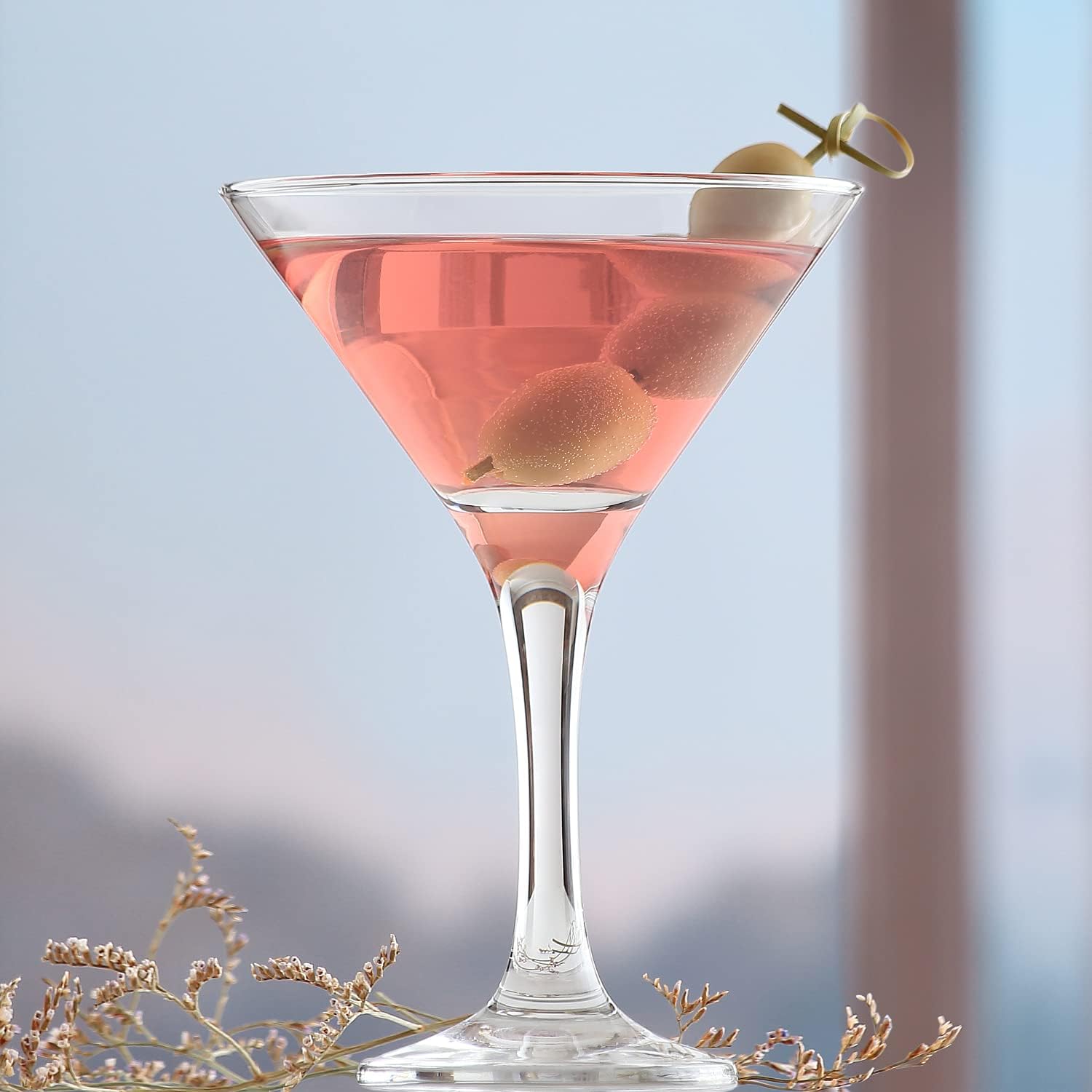
The martini glass, or cocktail glass, typically 6 to 10 ounces, evolved in the early 20th century during Prohibition-era cocktail culture. Its exact origin is debated, but it became iconic as cocktails shifted toward being served chilled and without ice.

Cosmopolitan - 6 to 8 oz

A cosmopolitan glass, usually 6 to 8 ounces, is a modern refinement of the martini glass, scaled to better suit contemporary cocktail proportions.

Coupe - 5 to 8 oz

A coupe glass, generally 5 to 8 ounces, dates back to 17th-century France and was originally used for champagne. It later rose in popularity during the early 20th century—particularly the Prohibition and “Gatsby” era—before becoming a staple for cocktails served up due to its stability and shape.

NIck & Nora - 4 to 6 oz

The Nick & Nora glass, typically 4 to 6 ounces, is named after characters in The Thin Man films of the 1930s, reflecting a more refined, controlled cocktail service style.

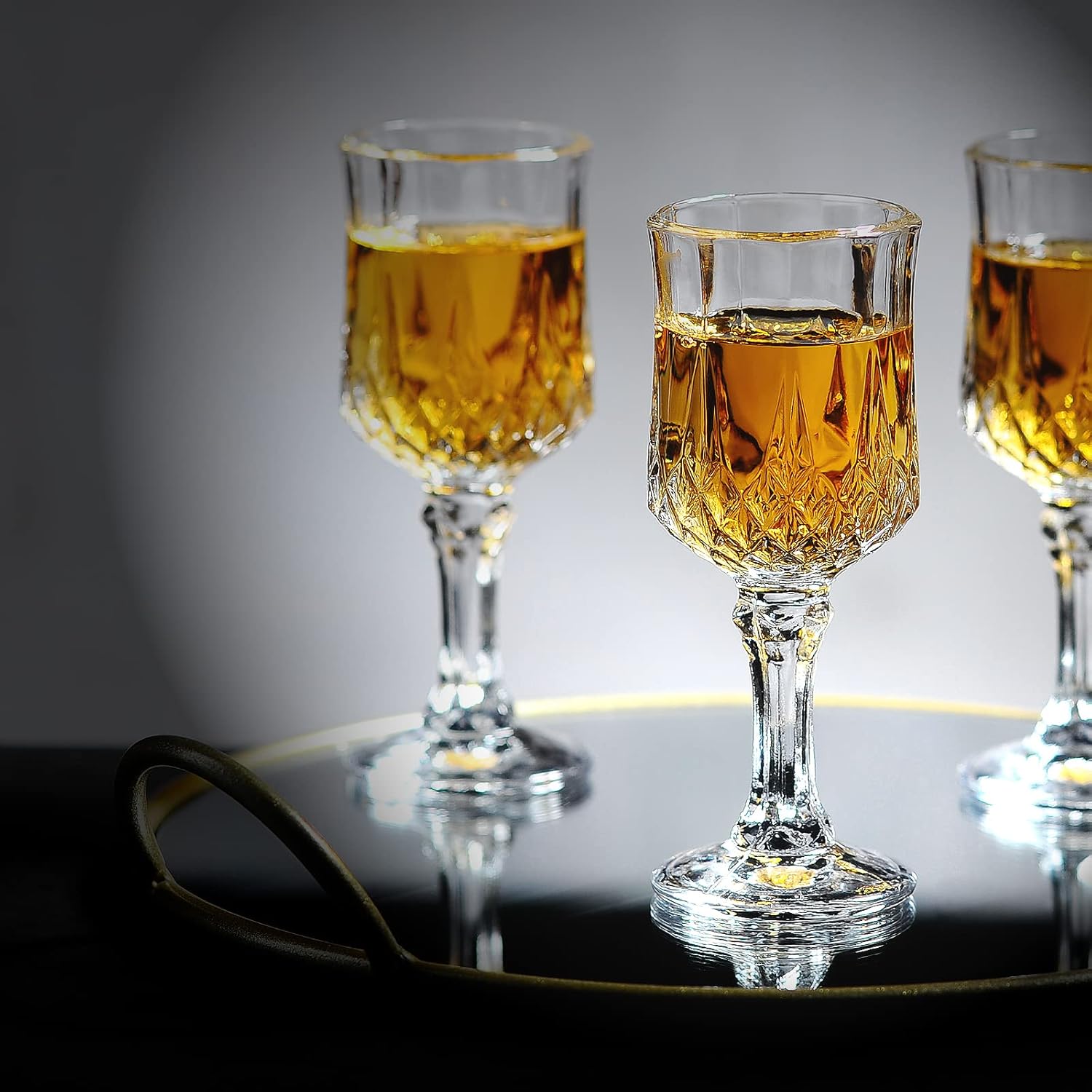
Cordial - 1.5 to 2 oz

A cordial glass, typically 1.5 to 2 ounces, has roots in European after-dinner drinking traditions, designed for liqueurs served in small, concentrated portions.

Snifter - 8 to 18 oz

A brandy snifter, ranging from 8 to 18 ounces, originated in 18th-century Europe, designed to warm the spirit slightly while concentrating aroma through its narrow opening.

Absinthe - 6 to 10 oz

An absinthe glass, generally 6 to 10 ounces, became popular in 19th-century France, often featuring a reservoir to guide the traditional dilution ritual.

Large-Format & Aromatic Cocktail Glasses

These glasses are designed for drinks that rely on volume, ice, and aromatic layering, where the experience extends beyond the liquid itself. Their larger bowls and taller profiles create space not just for the drink, but for garnishes, dilution, and movement as the cocktail evolves. Ice plays a more active role here, slowly integrating into the drink over time, while the wider openings allow aromas—often from citrus, herbs, or botanicals—to develop and reach the nose before the first sip. In many cases, presentation becomes part of the function, with the glass helping to frame both the visual and sensory experience in a way that smaller, more restrained vessels cannot.

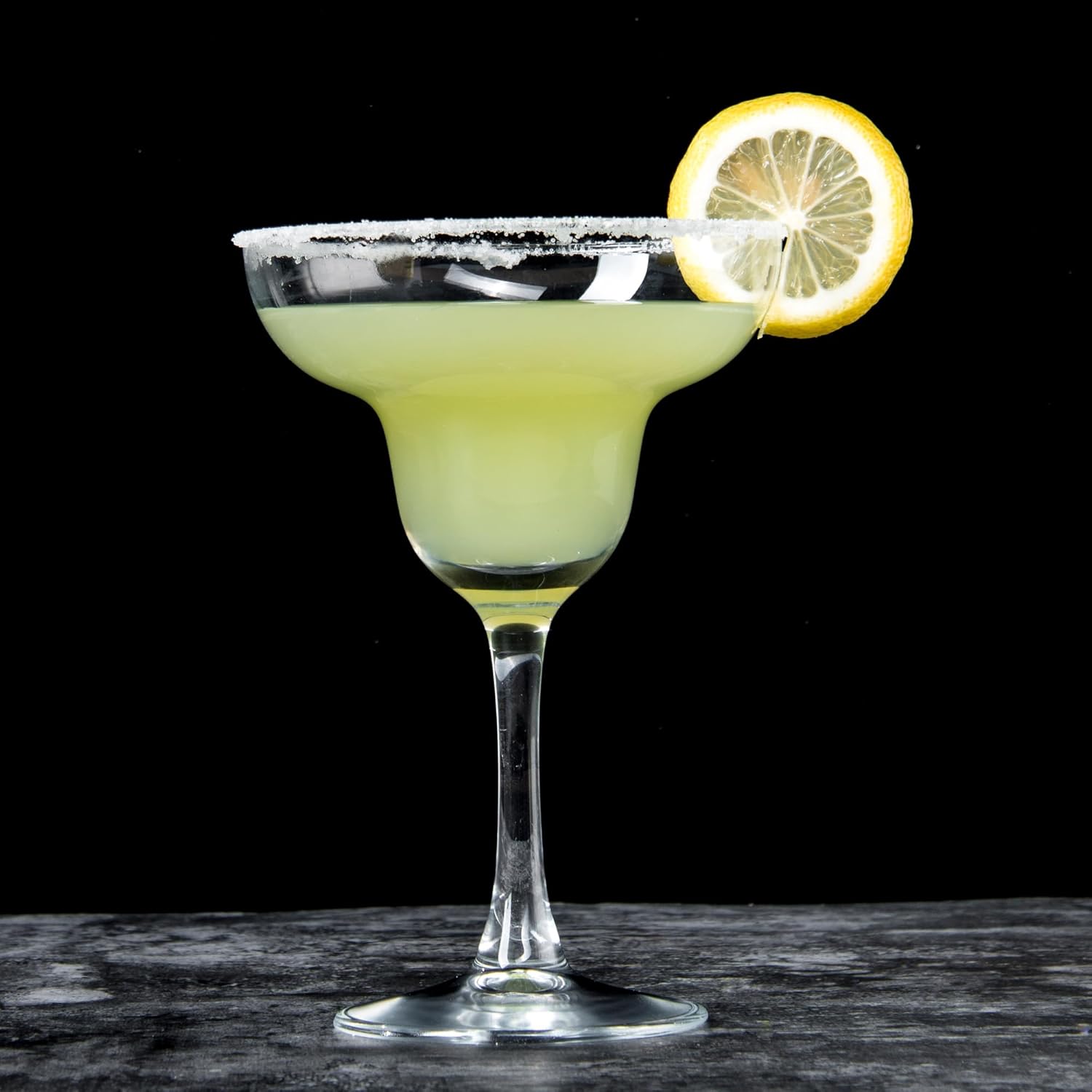
Margarita - 10 to 16 oz

The margarita glass, typically 10 to 16 ounces, evolved in the mid-20th century alongside the cocktail itself, designed to highlight salted rims and citrus-forward profiles.

Poco Grande - 12 to 16 oz

A poco grande, usually 12 to 16 ounces, emerged later as a more ergonomic alternative for tropical drinks, balancing volume with usability.

Hurricane - 16 to 20 oz

A hurricane glass, often 16 to 20 ounces, was popularized in New Orleans at Pat O’Brien’s in the 1940s, designed specifically for the Hurricane cocktail.

Sling - 10 to 14 oz

A sling glass, typically 10 to 14 ounces, traces its origins to the Singapore Sling and similar long-form cocktails from the late 19th to early 20th century.

Copa de Balón - 16 to 20 oz

The Copa de Balón, generally 16 to 20 ounces, originates from Spain, where it became standard for gin and tonic service, emphasizing botanical aroma through its wide bowl.

Wine Glasses

Wine glassware is designed around aroma, aeration, and temperature control, with its evolution closely tied to European wine traditions. The shape and size of the bowl influence how much air interacts with the wine, how aromas are captured and directed, and how the liquid moves across the palate. Narrower glasses help preserve cooler temperatures and focus more delicate notes, while wider bowls allow fuller-bodied wines to open up and develop complexity. Over time, these distinctions became more intentional, with specific glass styles emerging to complement different types of wine rather than simply serving them.

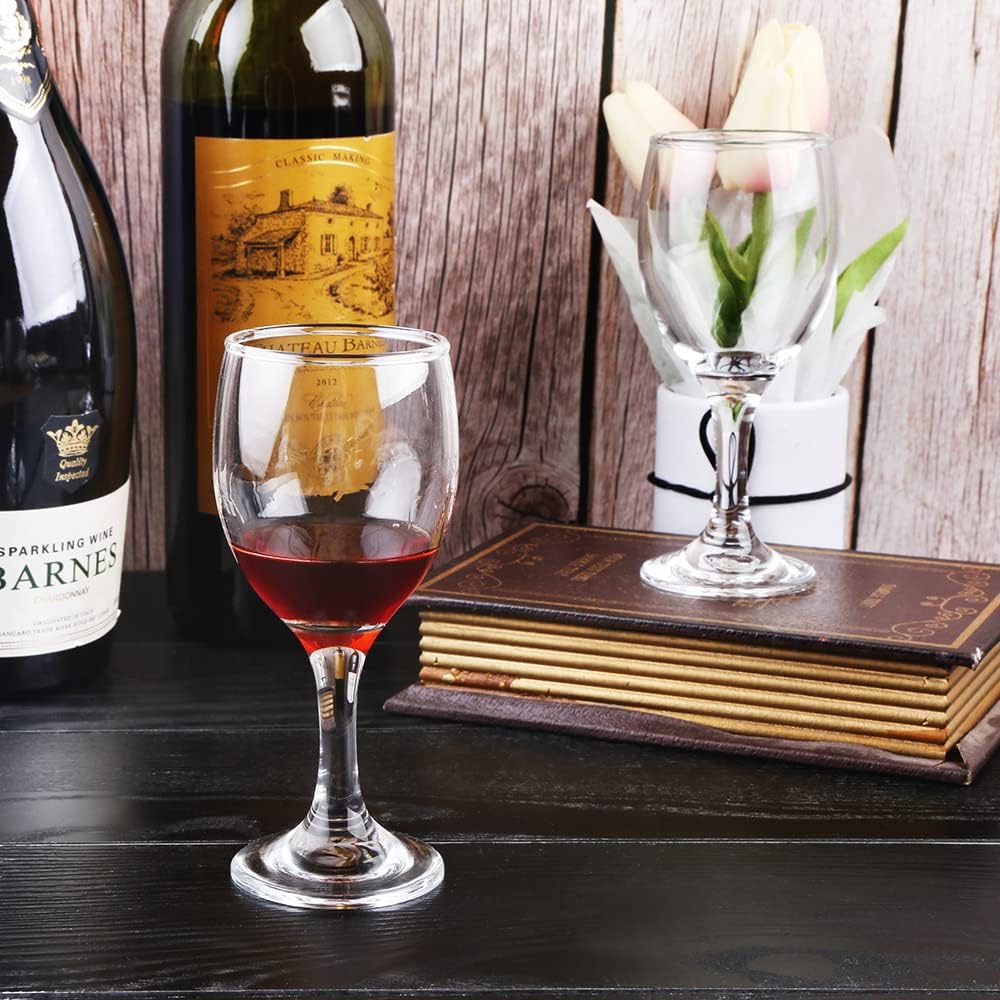
Red Wine - 12 to 18 oz

A red wine glass, generally 12 to 18 ounces, is designed with a broader bowl to allow for aeration, helping to open up aromas and soften tannins while enhancing overall depth.

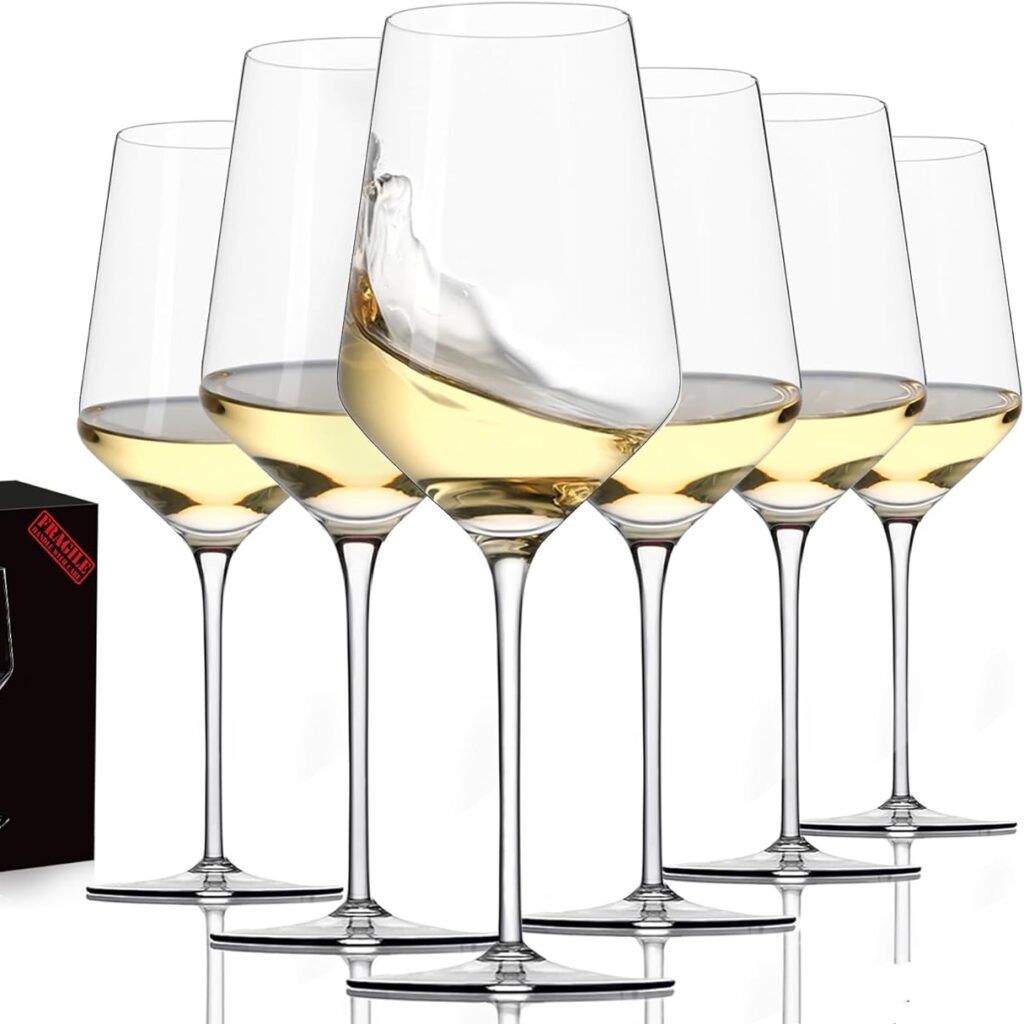
White Wine - 10 to 14 oz

A white wine glass, generally 10 to 14 ounces, evolved to preserve cooler temperatures and focus more delicate aromas.

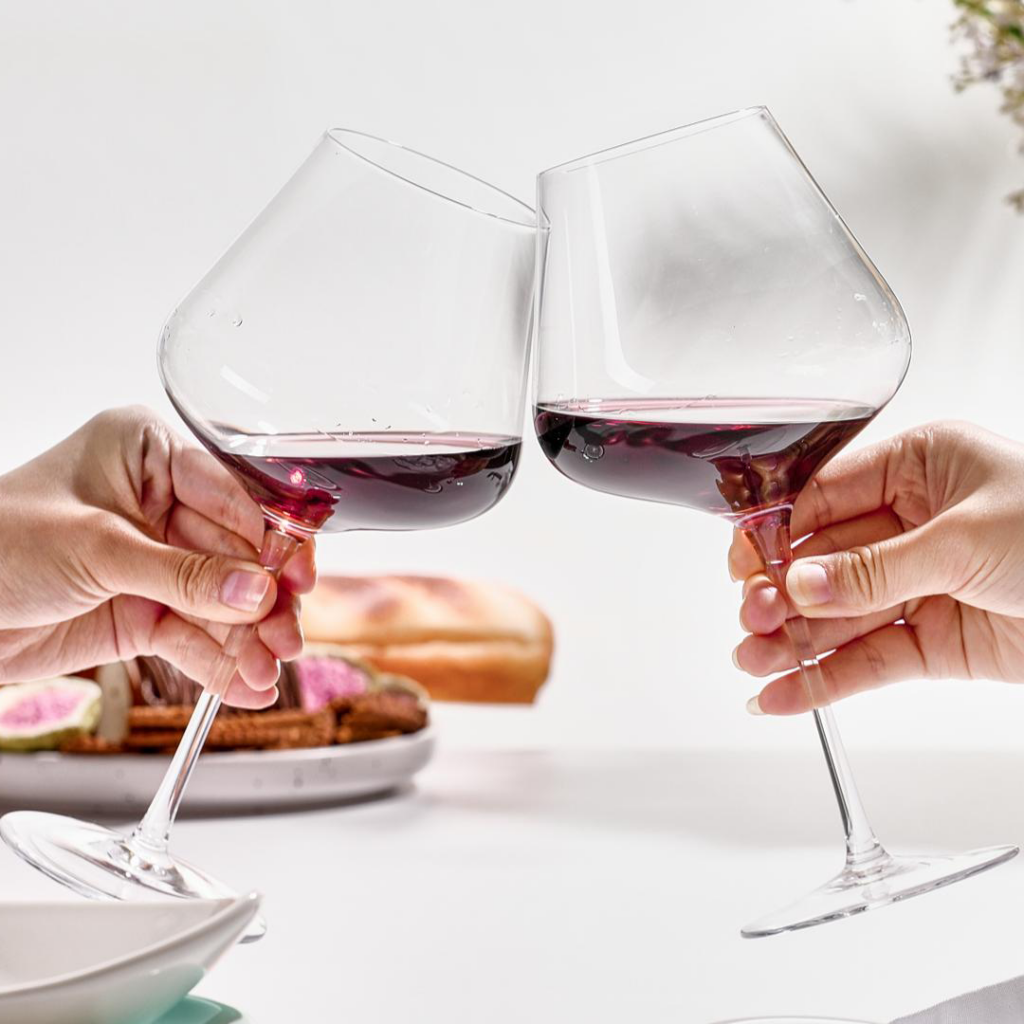
Balloon Red Wine - 16 to 22 oz

A balloon-style red wine glass, typically 16 to 22 ounces, developed over centuries to enhance aeration and aromatic complexity in fuller-bodied wines like Burgundy.

Champagne Flute - 6 to 10 oz

A champagne flute, typically 6 to 10 ounces, became popular in the 18th and 19th centuries as sparkling wine production advanced, designed to preserve carbonation.

Champagne Tulip - 6 to 10 oz

A champagne tulip, also 6 to 10 ounces, is a more modern evolution, balancing aroma development with effervescence.

Sherry - 4 to 6 oz

A sherry glass, typically 4 to 6 ounces, reflects Spanish drinking traditions centered around fortified wines.

Port - 6 to 8 oz

A port glass, usually 6 to 8 ounces, follows similar European traditions, adapted for the richness of port.

Grappa - 3 to 6 oz

A grappa glass, typically 3 to 6 ounces, developed in Italy to concentrate the intense aromatics of distilled grape spirits.

Beer Glasses

Beer glassware is deeply tied to European brewing traditions, where specific shapes evolved to complement different styles. Over time, brewers and drinkers recognized that factors like foam retention, carbonation, and aroma all change depending on the vessel. Taller, tapered glasses highlight clarity and preserve effervescence, while wider bowls allow aromas to develop and support a fuller head. Even elements like rim shape and glass thickness play a role in how the beer is perceived, turning what might seem like a simple pour into a more intentional and style-driven experience.

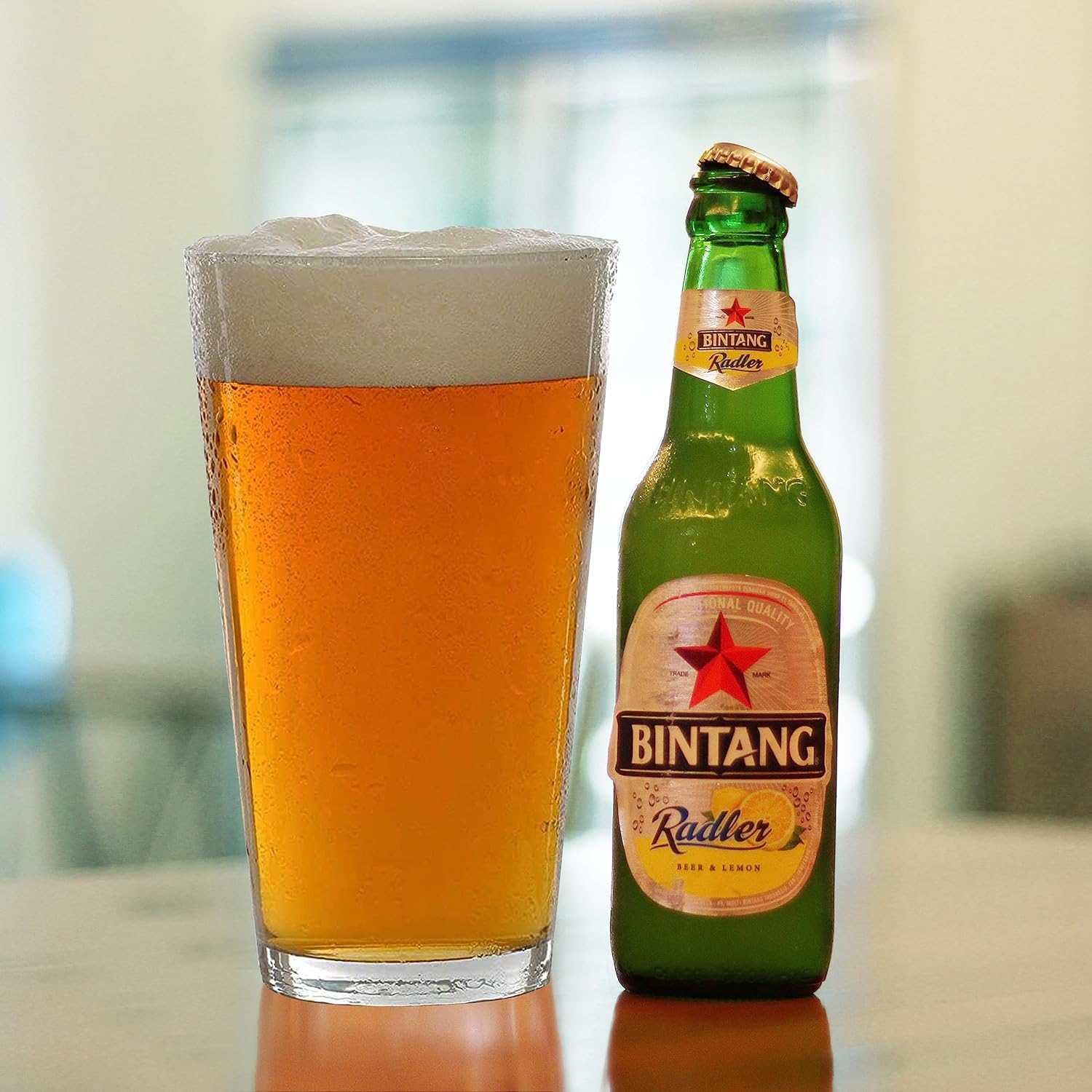
American Pint (Shaker) - 16 oz

An American pint glass (or Shaker), typically 16 ounces, features a slightly-tapered, cylindrical shape and is one of the most versatile, widely-used beer glasses. Common in American bars, it’s suitable for a broad range of styles—from ales and lagers to stouts—though isn’t optimized for any one in particular.

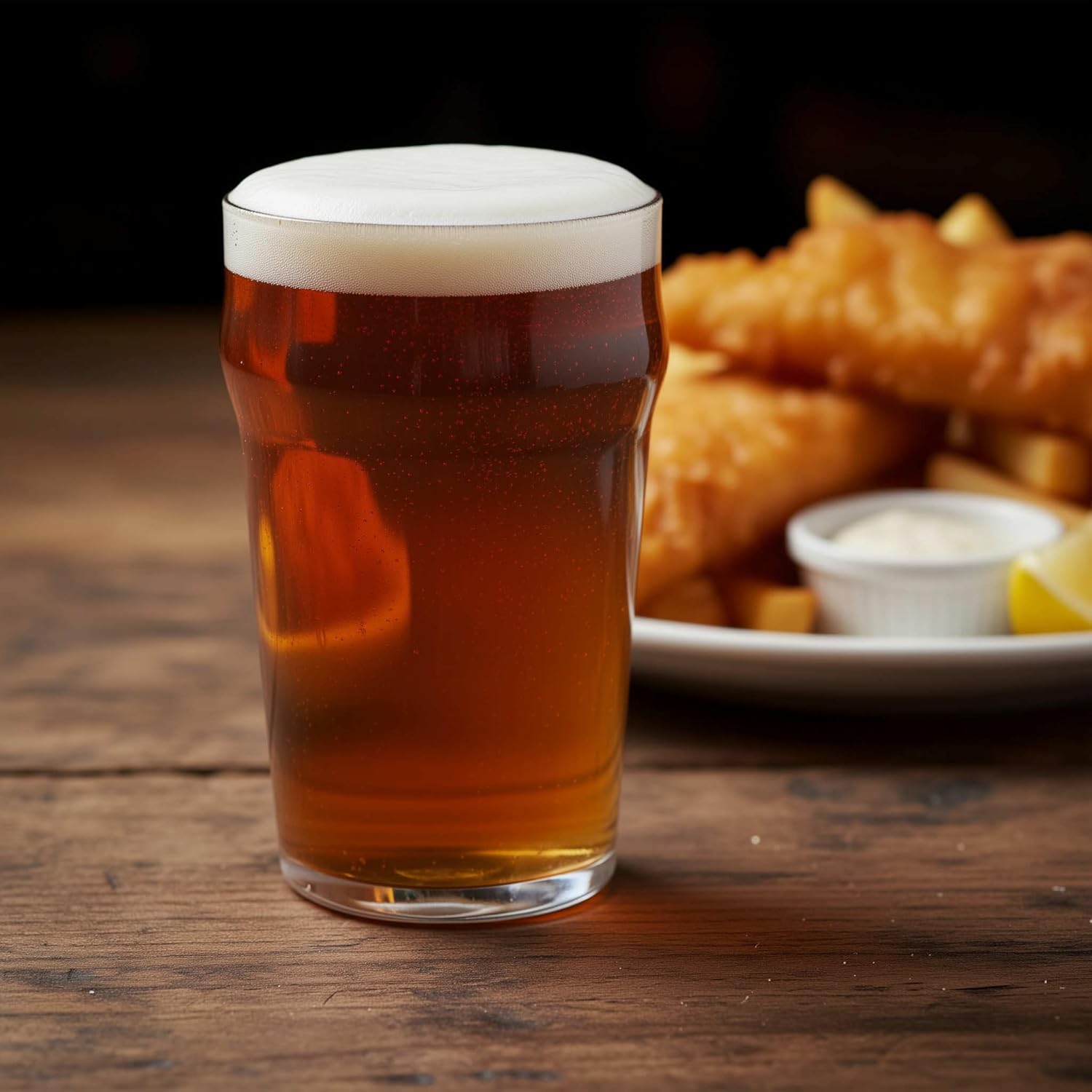
Nonic Pint - 16 oz

A nonic (or Imperial) pint, usually 16 to 20 ounces, is an English variation of the pint glass, distinguished by a slight ridge near the top. That ridge improves grip, prevents chipping when stacked, and helps support a more stable head, making it well-suited for British ales and pub-style service.

Pilsner - 12 to 16 oz

A pilsner glass, generally 12 to 16 ounces, is tall, slim, and slightly tapered. Its shape showcases clarity and color while preserving carbonation and supporting a defined head, making it ideal for pilsners, lagers, and other lighter, effervescent beers.

Tulip - 12 to 16 oz

A tulip glass, typically 12 to 16 ounces, features a bulbous body with a flared rim. This design traps and concentrates aroma while promoting head retention, making it particularly well-suited for Belgian ales, IPAs, and saisons where aroma plays a central role.

Snifter - 8 to 14 oz

A snifter, usually 8 to 14 ounces, has a wide bowl and short stem, allowing the beer to be gently swirled. This enhances aromatic release while concentrating those aromas at the rim, making it ideal for high-ABV beers like imperial stouts, barleywines, and stronger IPAs.

Weizen - 16 to 23 oz

A weizen glass, typically 16 to 23 ounces, is tall with thin walls and a distinctive curved profile. Its shape supports a large, stable head while allowing the beer’s signature banana and clove aromas—common in wheat beers—to fully develop.

Goblet / Chalice - 12 to 20 oz

A goblet or chalice, generally 12 to 20 ounces, is thick-walled and stemmed, designed to handle heavier, more complex beers. Its wide bowl allows for aromatic development, while the sturdy construction supports higher carbonation and richer styles like Belgian ales and German bocks.

Stange / Rye - 6 to 10 oz

A stange (or rye glass), usually 6 to 10 ounces, is tall, slender, and cylindrical. Its narrow shape preserves carbonation and directs delicate aromas, making it ideal for lighter, more subtle beers like Kölsch, Gose, and other crisp, low-profile styles.

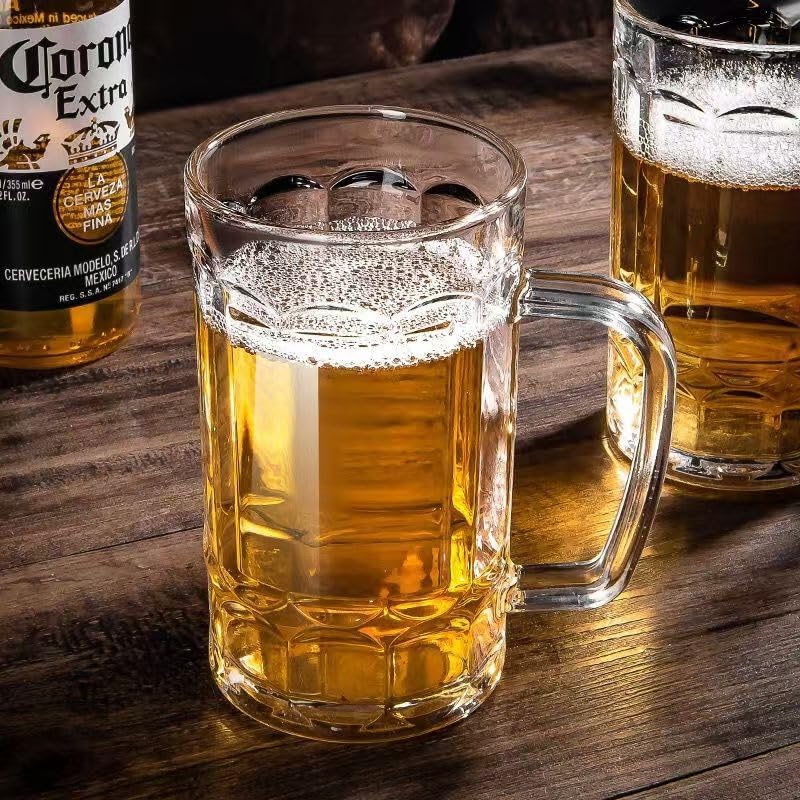
Beer Mug - 12 to 20 oz

A beer mug, typically 12 to 20 ounces or more, is thick, durable, and handled to maintain temperature and reduce heat transfer. Traditionally rooted in German beer culture, it’s well-suited for lagers and easy-drinking session beers.

Specialty Glasses

Not all drinkware is defined by shape alone. Some vessels are built around temperature, material, or the overall experience of the drink, playing a more active role in how it’s served and perceived. In these cases, the material itself becomes part of the function—whether it’s metal amplifying cold, glass retaining heat, or ceramic insulating the drink over time. These choices don’t just support the drink; they shape how it feels in the hand, how it’s presented, and how it’s experienced from start to finish.

Tiki Mug - 12 to 20 oz

A tiki mug, generally 12 to 20 ounces or more, is typically made from ceramic and emerged in mid-20th century tiki culture, where presentation and escapism were central to the drinking experience.

Milkshake - 12 to 16 oz

A milkshake glass, typically 12 to 16 ounces, developed alongside American diner culture in the early to mid-20th century, designed for thick, blended drinks (like Mudslides) served with straws and spoons.

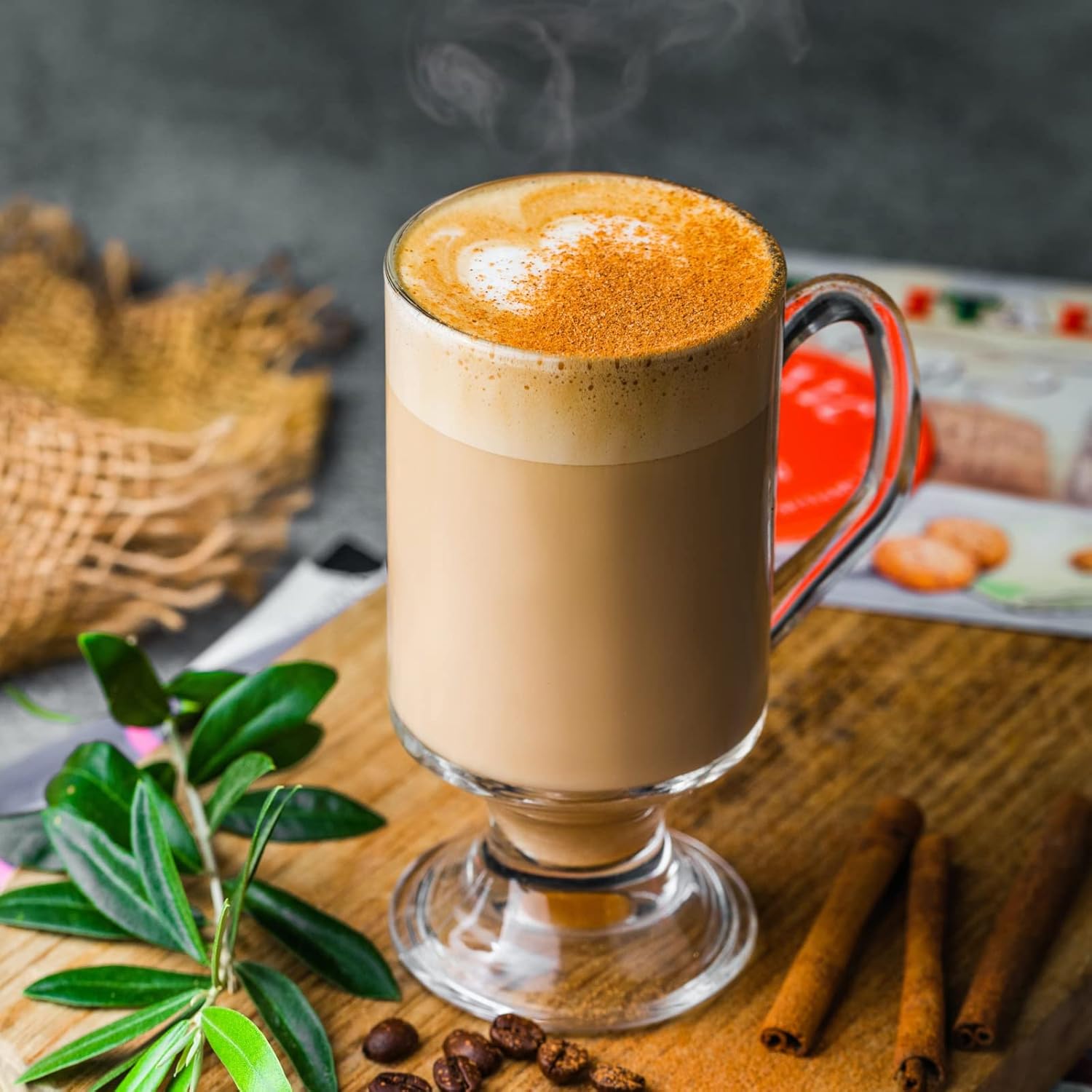
Irish Coffee - 8 to 12 oz

An Irish coffee glass, generally 8 to 12 ounces, originated in the mid-20th century with the Irish Coffee itself, designed to handle heat while showcasing layered presentation.

Julep Cup - 10 to 12 oz

A julep cup, typically 10 to 12 ounces, dates back to the American South in the 18th and 19th centuries, where metal cups were used to keep drinks cold in warm climates. Its frosted exterior became part of the identity of the Mint Julep.

Mule mug - 12 to 16 oz

A mule mug, usually 12 to 16 ounces, was popularized in the 1940s alongside the Moscow Mule, largely as a marketing tool, but its copper construction became integral to the drink’s identity.

Final Thoughts

Drinkware isn’t about having more options—it’s about having the right one for the drink in front of you. Once you understand how size, shape, and material influence balance, temperature, and aroma, you stop treating the vessel as an afterthought and start using it as part of the build. The glass becomes an extension of the technique, guiding how the drink is mixed, served, and experienced from the first sip to the last.
As those choices become more intentional, small details begin to matter more. How quickly the drink chills, how it dilutes over time, and how aromas rise and meet the nose before you taste all start to connect. The right vessel doesn’t call attention to itself, but it allows the drink to perform exactly as it was designed to.

Essential Tools 101

A good drink doesn’t start with the liquor—it starts with how you build it. You can stock your shelves with quality spirits and keep fresh citrus on hand, but if your tools are working against you, the final result will always fall short. Weak dilution, unbalanced ratios, and inconsistent texture are rarely about the ingredients themselves—they’re almost always about a lack of control in the process.

Essential Tools 101

A good drink doesn’t start with the liquor—it starts with how you build it. You can stock your shelves with quality spirits and keep fresh citrus on hand, but if your tools are working against you, the final result will always fall short. Weak dilution, unbalanced ratios, and inconsistent texture are rarely about the ingredients themselves—they’re almost always about a lack of control in the process.

Barware isn’t about aesthetics or trying to recreate a professional bar setup at home. It’s about giving yourself the ability to execute a drink with intention. The right tools allow you to control balance, dilution, temperature, and texture in a way that transforms a drink from something acceptable into something deliberate. The goal isn’t to have more tools—it’s to have the right ones, and to understand why they matter.
The Non-Negotiables

When it comes to building a bar that actually produces good drinks, a handful of tools carry almost all of the weight. These aren’t aesthetic additions or nice-to-have upgrades—they are what give you control over the drink itself. Without them, even the best ingredients won’t come together the way they should.

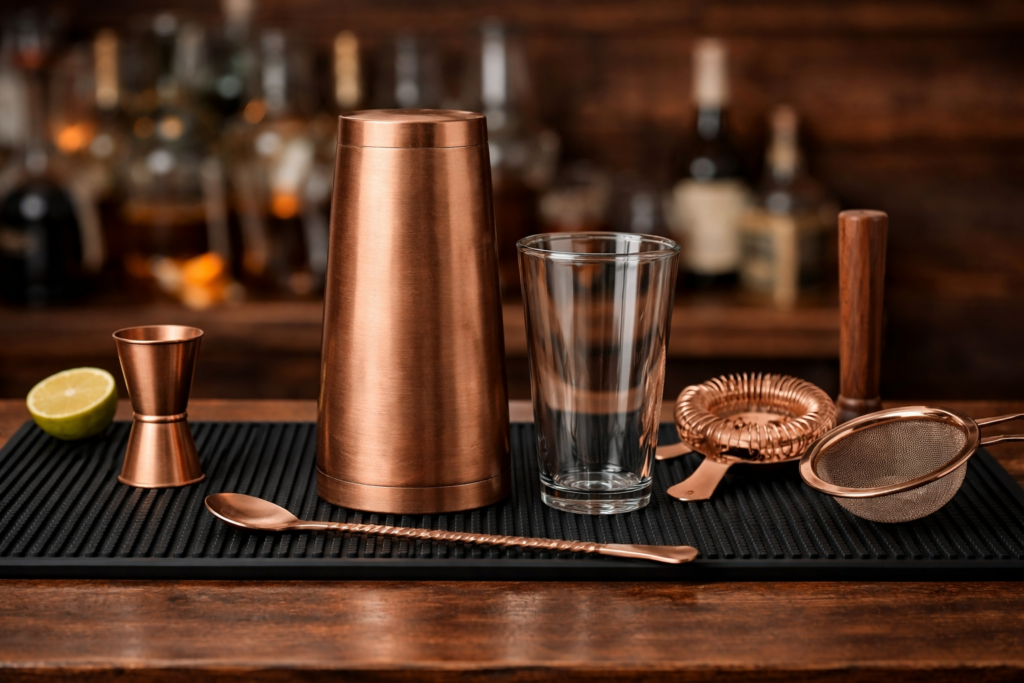
Shaker

A shaker is essential for any cocktail that includes citrus, juice, egg white, or syrup. Shaking does far more than combine ingredients—it rapidly chills the drink, introduces controlled dilution, and aerates the mixture to create a lighter, more cohesive texture. Without it, drinks that should feel bright and structured instead come across as heavy, flat, or disconnected. While all shakers serve the same core purpose, the way they’re built affects how they perform. Understanding the differences allows you to choose the one that fits your workflow rather than working against it.

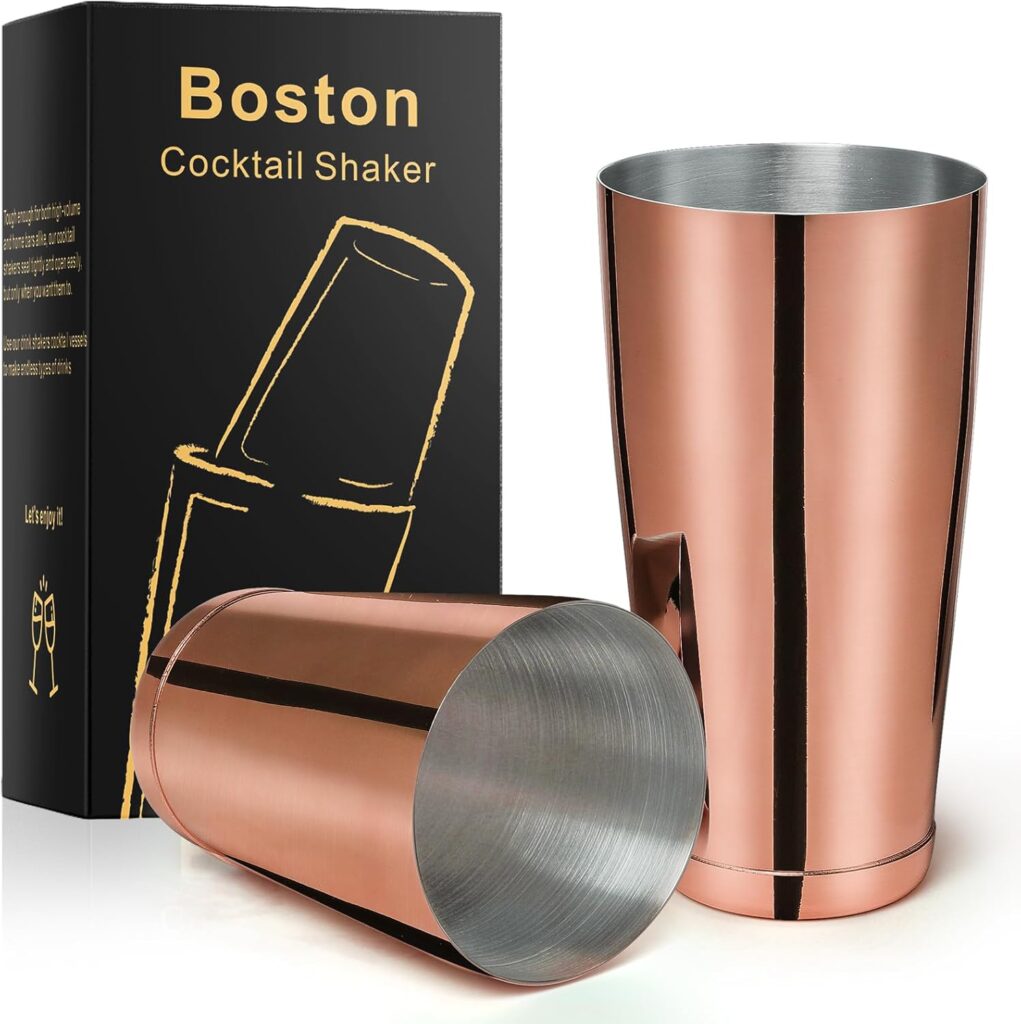
Boston Shaker - Two-piece

The Boston shaker is the most widely used style, consisting of a large metal tin paired with either a pint glass or a second metal tin. It’s favored for its durability, speed, and control, particularly once you’re comfortable with the technique. The seal forms naturally during shaking and releases cleanly with a firm tap, making it efficient in both professional and home settings.

The metal-on-metal variation has become the standard in most modern bars due to its durability and temperature responsiveness, while the classic metal-and-glass setup remains common in more traditional environments. Either way, the Boston shaker is built for performance and tends to be the preferred option for long-term use.

Cobbler Shaker - Three-piece

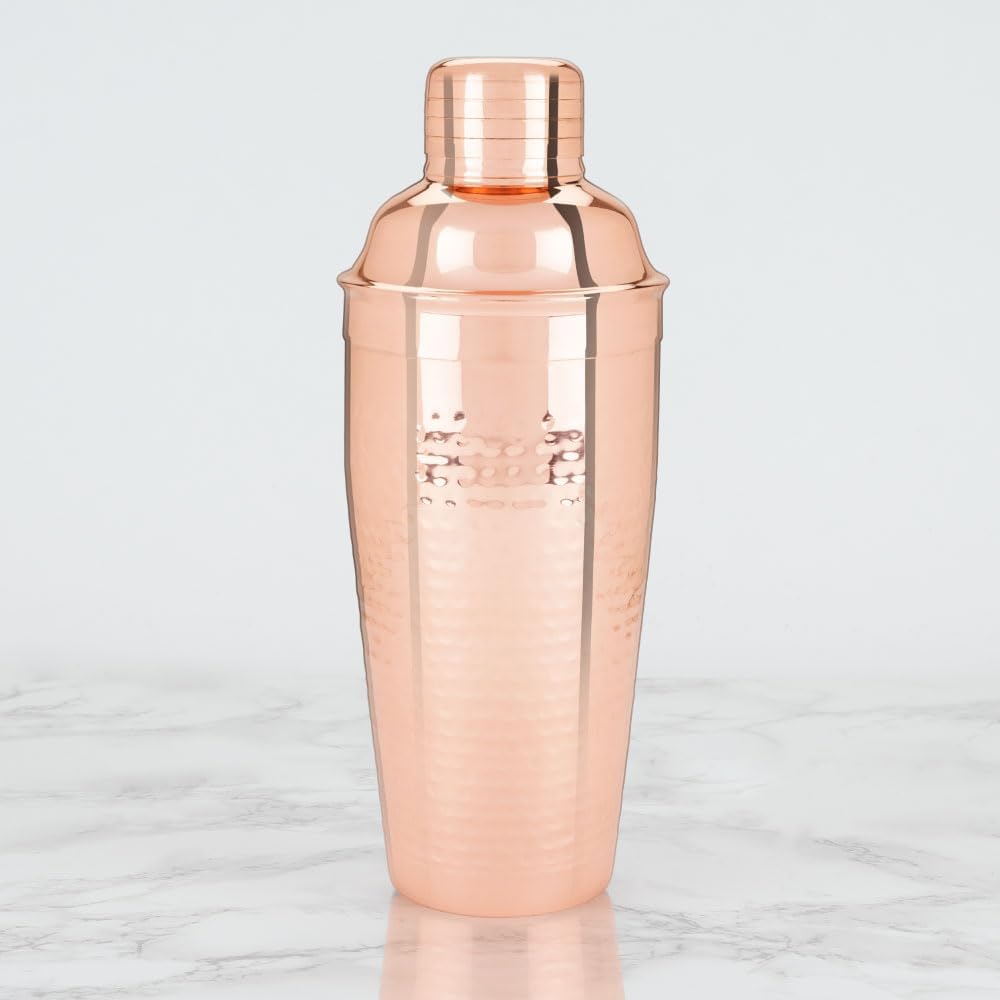
The Cobbler shaker is a three-piece design that includes a built-in strainer and cap. Its self-contained structure makes it more approachable, particularly for beginners, since it doesn’t require a separate strainer and feels more intuitive to assemble and use.

That convenience comes with trade-offs. Cobbler shakers can sometimes stick after shaking due to temperature changes, and the built-in strainer offers less control compared to a separate Hawthorne strainer. Still, for those just starting out or looking for simplicity, it provides a straightforward entry point into cocktail making.

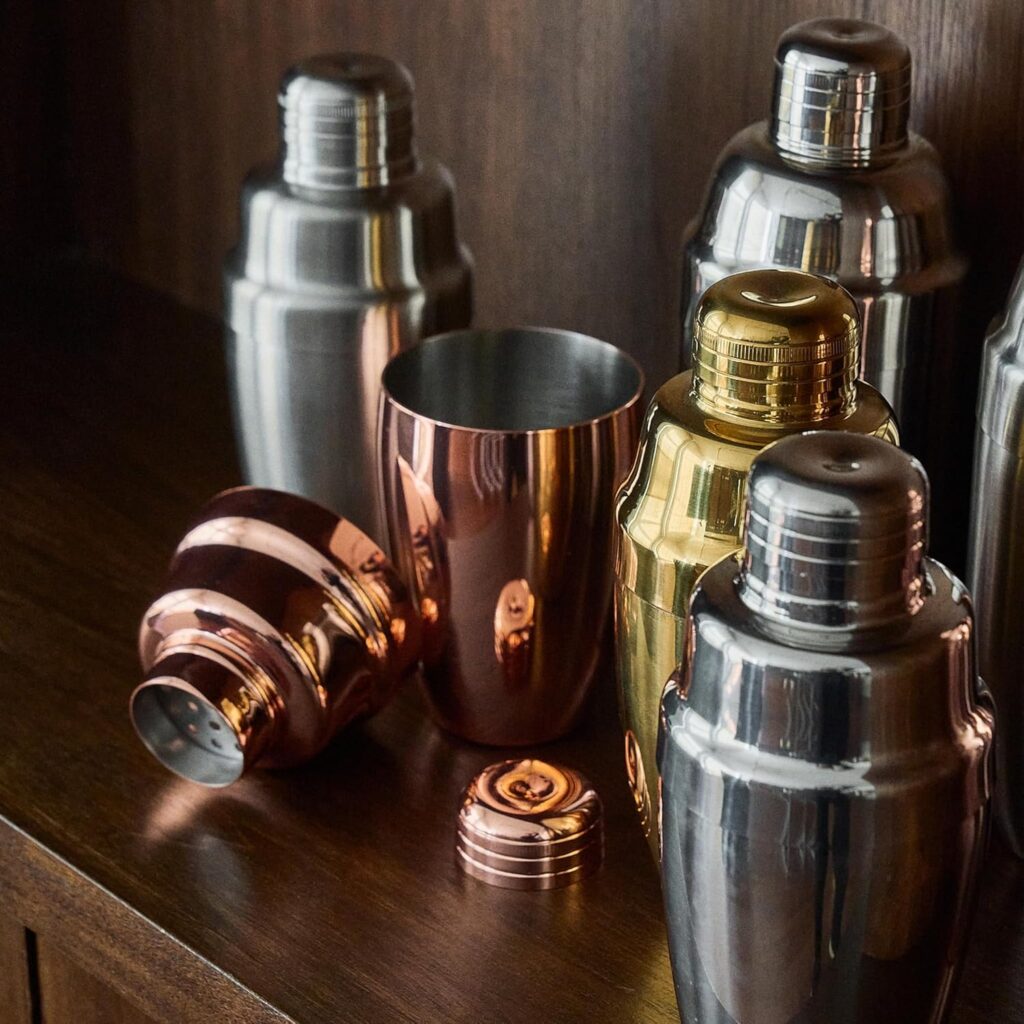
Japanese Cobbler Shaker - Three-Piece

Often referred to simply as a Japanese shaker, this is a refined version of the Cobbler design. While structurally identical, the difference lies in precision and craftsmanship. These shakers are engineered with tighter tolerances, resulting in a smoother seal, easier separation, and a more controlled pour through the integrated strainer.

The experience is noticeably more refined, but the function remains the same. It’s less about necessity and more about preference—an upgrade in feel and performance rather than a fundamentally different tool.

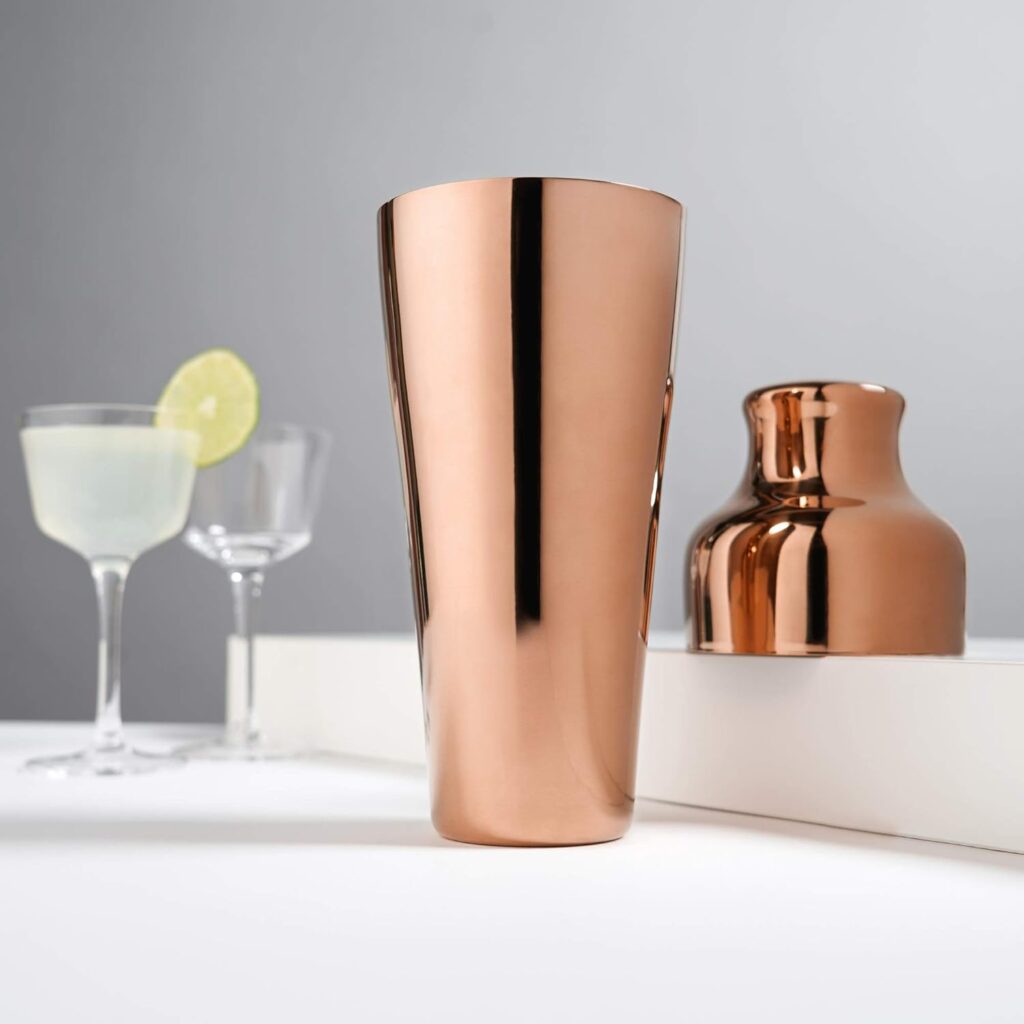
French (Continental) Shaker - Two-Piece

The French shaker occupies a middle ground between the Boston and Cobbler styles. It is a two-piece, all-metal design like the Boston, but without the use of a pint glass and without a built-in strainer. Its clean, minimal form makes it visually appealing, but it requires a separate strainer and offers a slightly different feel when sealing and opening.

While less common, it appeals to those who prefer the simplicity of a two-piece design with a more streamlined aesthetic. Functionally, it performs well, but it is rarely the first choice for a foundational setup.

Jigger

A jigger is what brings consistency to your drinks. Cocktails rely on proportion, and even small deviations in measurement can shift a drink from balanced to sharp, flat, or overly strong. While free-pouring may feel intuitive, it introduces variability that makes it difficult to replicate results, especially when you’re still building muscle memory.

That said, there is another path to consistency—one that comes from repetition and training rather than tools. In professional settings, bartenders are often taught to “count” their pours, developing an internal rhythm that allows them to measure with surprising accuracy. It’s a skill that can be refined over time, and when done well, it’s both efficient and precise.

Personally, that’s the method I was trained on. We practiced it to the point of muscle memory—timed pours, accuracy tests, even competitions—and it becomes second nature once it’s ingrained. But that level of consistency doesn’t happen overnight, and it’s easy to overestimate accuracy without realizing it.

For most home bars, a jigger remains the most reliable way to control your ratios while you’re learning. It removes guesswork, builds your understanding of proportion, and helps you develop a feel for how a drink should come together. Even if you eventually move toward free-pouring, starting with a jigger gives you a baseline that makes everything else more intentional.

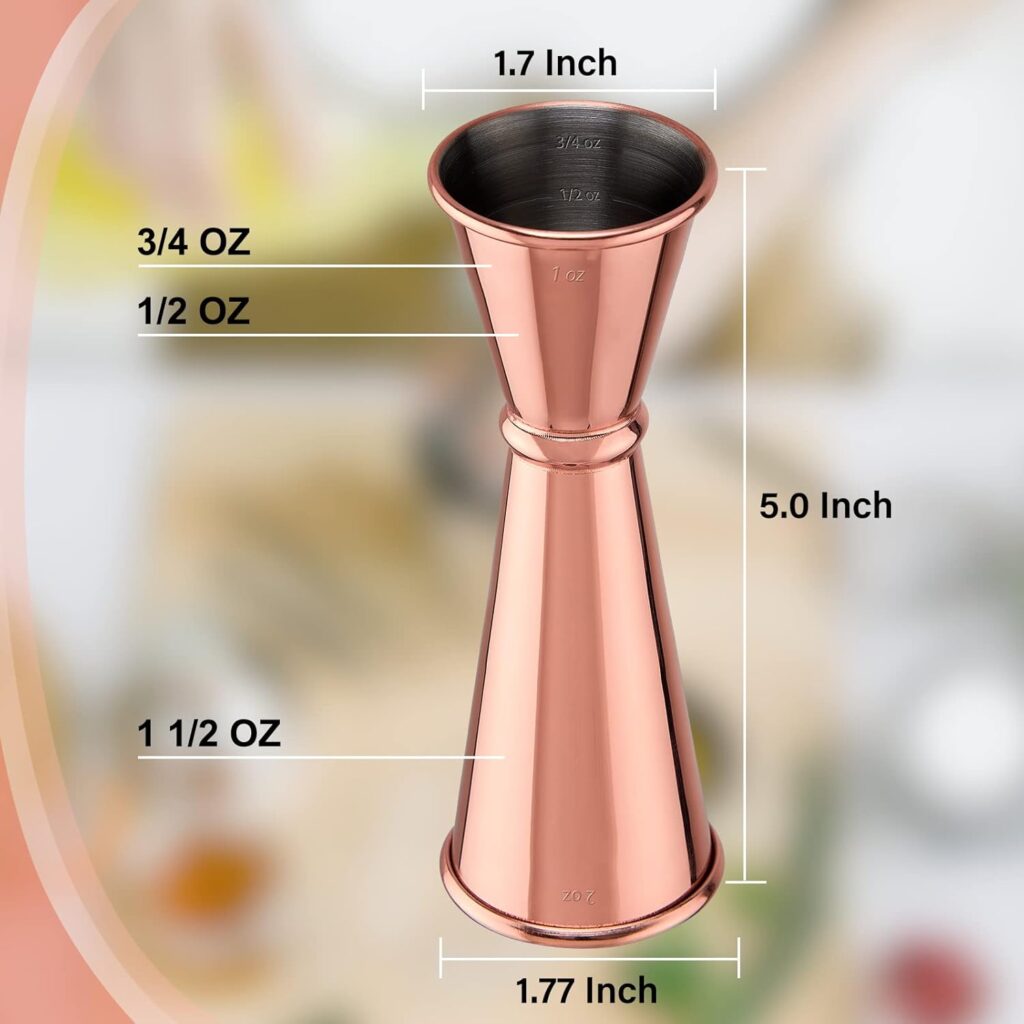
Standard Double Jigger

The most common style is the double-sided jigger, typically offering two measurements—often one ounce on one side and two ounces on the other, with additional internal markings for smaller quantities. Its symmetrical design makes it quick to use and easy to incorporate into your workflow. A well-designed jigger should feel balanced in the hand, pour cleanly, and have clearly visible measurement lines. Over time, even if you rely less on it, it remains a valuable reference point for dialing in proportions and maintaining consistency.

Strainer

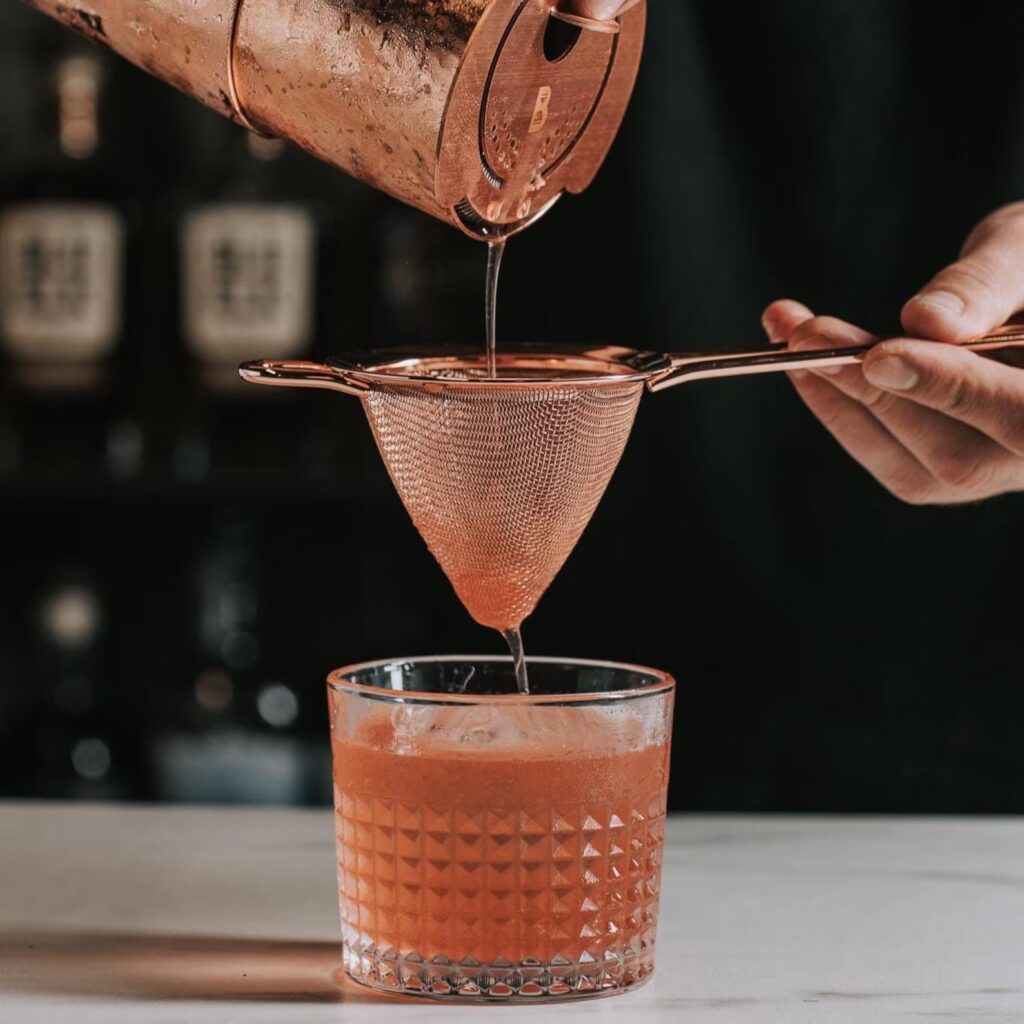
After a drink is shaken or stirred, a strainer controls what makes it into the glass. This step is essential for maintaining texture, preventing unwanted ice shards or solids from diluting the drink further, and ensuring a clean final presentation.

Hawthorne Strainer

The Hawthorne strainer is the standard for use with a Boston shaker and French shaker. Its coiled spring fits snugly against the inside of the tin, allowing it to catch ice and other ingredients while still letting liquid flow smoothly. It provides control over the pour and adapts easily to different shaker sizes. This is the most versatile and widely used strainer, making it the default choice for most setups.

Fine Mesh Strainer

A fine mesh strainer is often used alongside a Hawthorne strainer for double straining. This additional layer removes smaller ice fragments, pulp, and fine particles that would otherwise affect the texture of the drink.While not necessary for every cocktail, it becomes especially valuable when working with citrus, herbs, or egg whites, where clarity and smoothness are more noticeable.

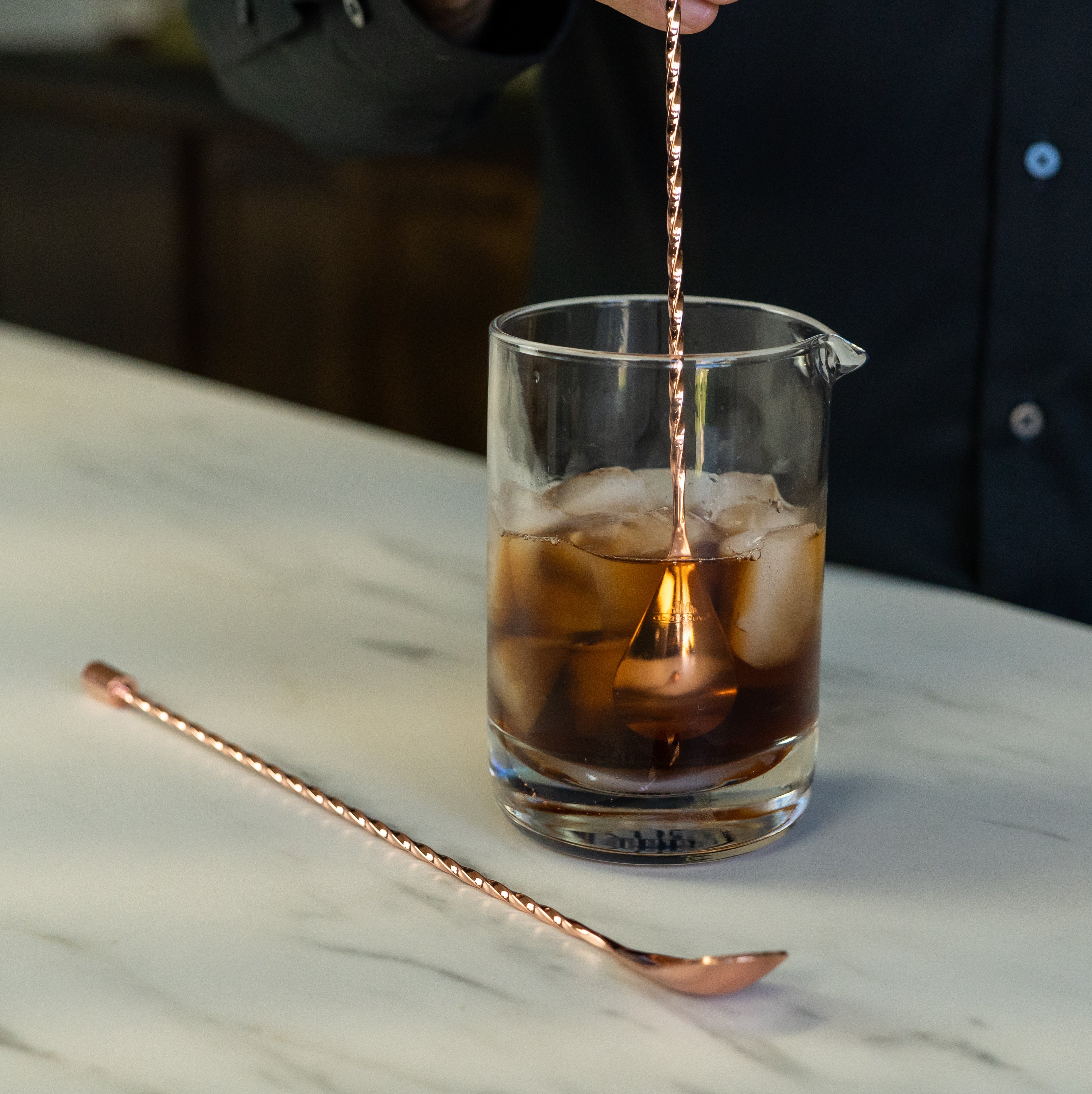
Bar Spoon

A bar spoon is designed specifically for stirring cocktails, particularly those that are spirit-forward and do not require shaking. Its long handle allows it to reach the bottom of a mixing glass, while its twisted shaft helps guide smooth, controlled movement through the liquid.

Stirring is about precision rather than force. The goal is to chill and dilute the drink evenly without introducing unnecessary agitation. A proper bar spoon makes this process feel fluid and controlled, whereas a standard spoon often feels clumsy by comparison.

Citrus Press

Fresh citrus is one of the most impactful ingredients in a cocktail, and how you extract it matters. Bottled juice lacks the brightness and complexity of fresh citrus, often resulting in drinks that taste muted or unbalanced.

A citrus press allows you to extract juice efficiently while keeping seeds and excess pulp out of the mix. It simplifies the process, improves yield, and ensures consistency from one drink to the next. For any cocktail that relies on citrus, it’s an essential tool that delivers immediate results.

The Nice-to-haves

Once the foundational tools are in place, the next layer of barware is less about making a drink possible and more about making it better. These are the tools that refine technique, improve texture, and elevate presentation. You can absolutely make great cocktails without them, but once you start using them, the difference becomes difficult to ignore.

Mixing Glass

A mixing glass becomes essential the moment you begin working with spirit-forward cocktails. Drinks like an Old Fashioned, Manhattan, or Negroni are not meant to be shaken, as shaking introduces aeration that disrupts their texture. Instead, they rely on controlled stirring to chill and dilute while maintaining clarity and weight.

While you can technically stir in a shaker tin or even a standard glass, a proper mixing glass provides both space and stability. Its wider base allows for smoother, more controlled movement of the bar spoon, which results in more even dilution. Over time, this translates into drinks that feel more cohesive, with a cleaner finish and a more intentional texture.

Julep Strainer

A julep strainer is traditionally used with a mixing glass, offering an alternative to the Hawthorne strainer when working with stirred drinks. Its bowl-shaped design fits neatly inside the mixing glass, allowing you to control the pour while keeping ice back.

Functionally, it achieves the same goal as a Hawthorne strainer, but the experience is different. The julep strainer feels more streamlined in this context, particularly when working exclusively with stirred cocktails. It’s less about necessity and more about preference, but for those who enjoy the process as much as the result, it adds a level of refinement that feels intentional rather than improvised.

Muddler

A muddler becomes important when working with fresh ingredients such as herbs, fruit, or sugar cubes. The goal is not to crush aggressively, but to gently press and release essential oils and juices without breaking down the ingredients too far.

This distinction matters more than most people realize. Over-muddling, especially with herbs, can introduce bitterness that throws off the balance of the drink. A proper muddler gives you control over that pressure, allowing you to extract flavor cleanly while maintaining the integrity of the ingredients. It’s a simple tool, but one that rewards restraint and technique.

Citrus Channel Knife/Zester

Garnish is often treated as an afterthought, but it plays a critical role in how a drink is experienced. Aroma is a major component of flavor, and citrus oils—expressed over a drink or incorporated as a garnish—can completely change how it presents.

A peeler, channel knife, or zester allows you to work with citrus in a more controlled and intentional way. Whether you’re creating a wide peel to express oils over an Old Fashioned or a finer zest to layer subtle aroma into a drink, these tools give you the ability to shape that final detail. It’s not just about appearance—it’s about enhancing the drink before the first sip.

Ice Molds

Ice is one of the most overlooked components of a cocktail, yet it has a direct impact on both dilution and presentation. Standard ice cubes melt quickly and inconsistently, which can dilute a drink faster than intended and alter its balance as it sits.

Large-format ice—whether in the form of spheres or oversized cubes—melts more slowly and evenly. This gives you greater control over how the drink evolves over time, particularly in spirit-forward cocktails like an Old Fashioned. The slower melt preserves structure, while the visual impact adds a level of polish that elevates the entire experience.

Final Thoughts

Barware is not about collecting tools for the sake of it, but about removing variables that stand between you and a well-made drink. Each piece has a purpose, and when that purpose is understood, the process becomes more intuitive and the results more consistent.

As you begin to build your bar, the difference becomes immediately noticeable. Balance is easier to achieve, dilution becomes controlled rather than accidental, and the overall experience feels more deliberate. The goal is not to replicate a professional bar, but to understand the mechanics behind what makes a drink work—and to give yourself the tools to execute it well.