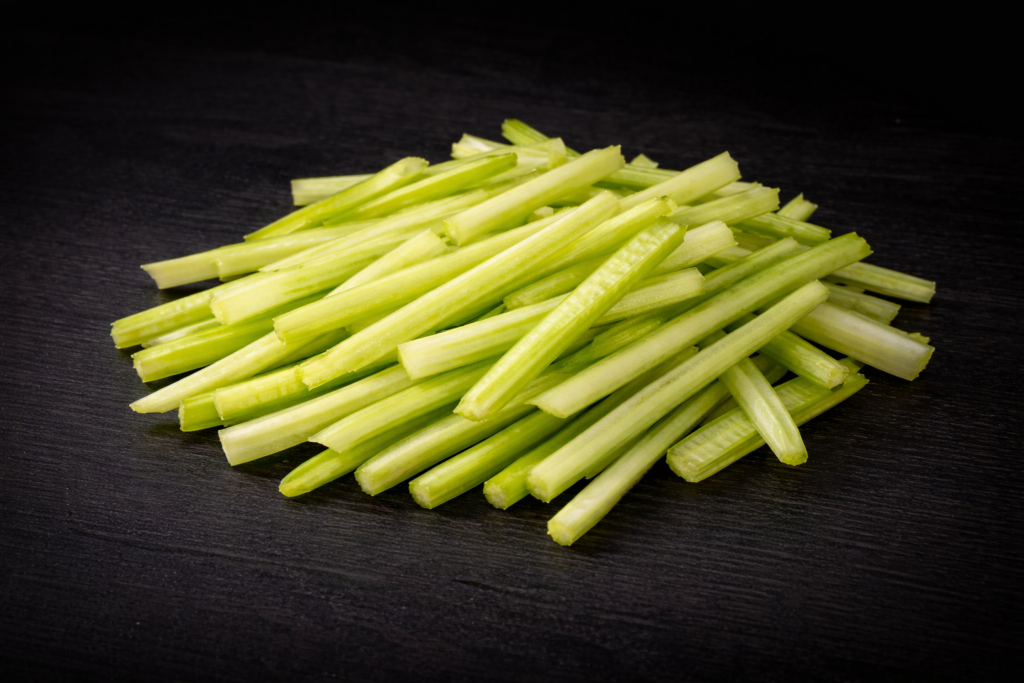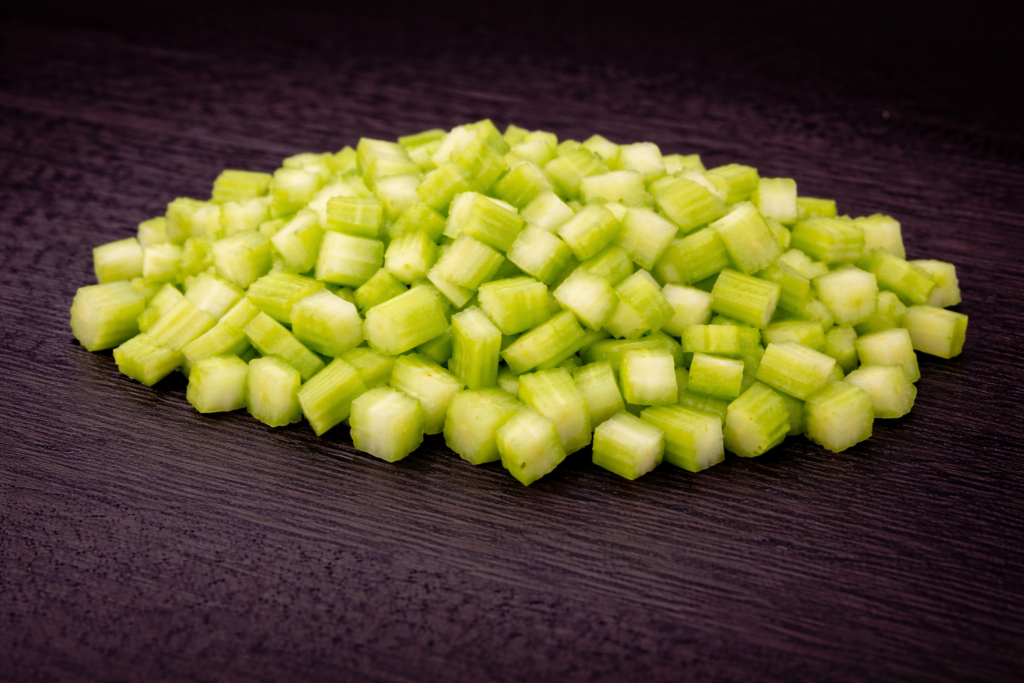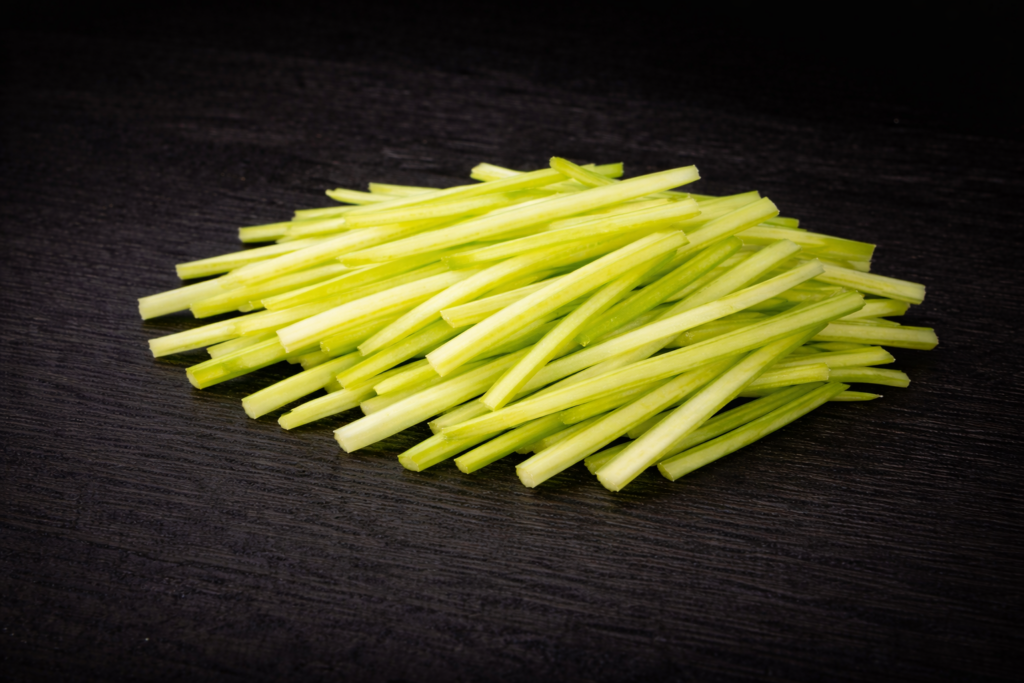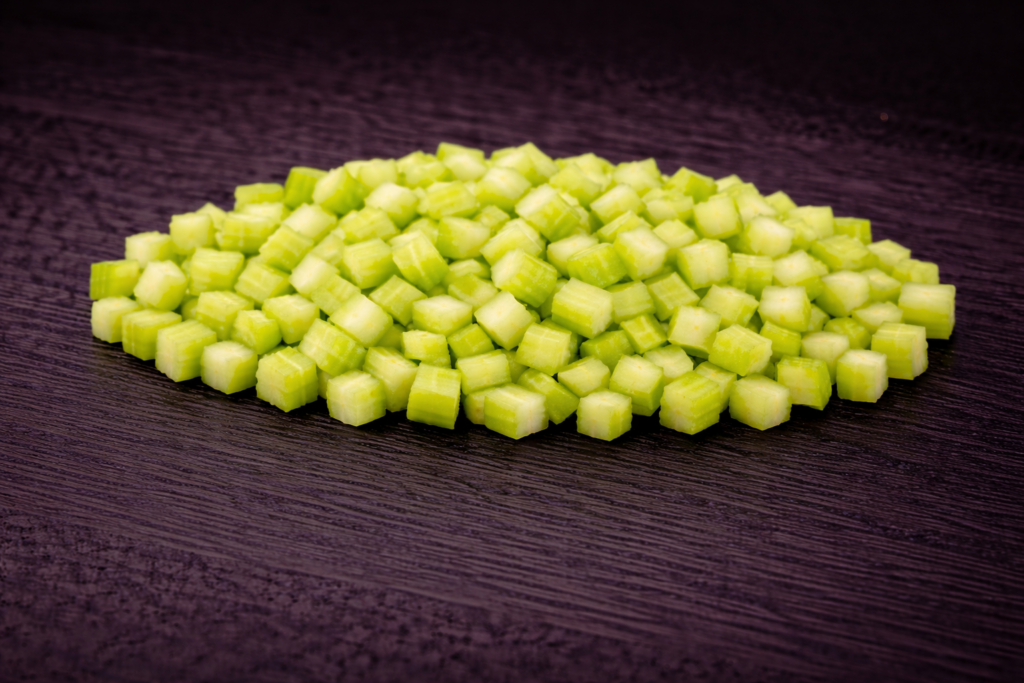
Carrots don’t just add sweetness—they wake a dish up. Not sharply, but gradually, building body, rounding edges, and bringing everything into balance as they cook.
Root Awakening
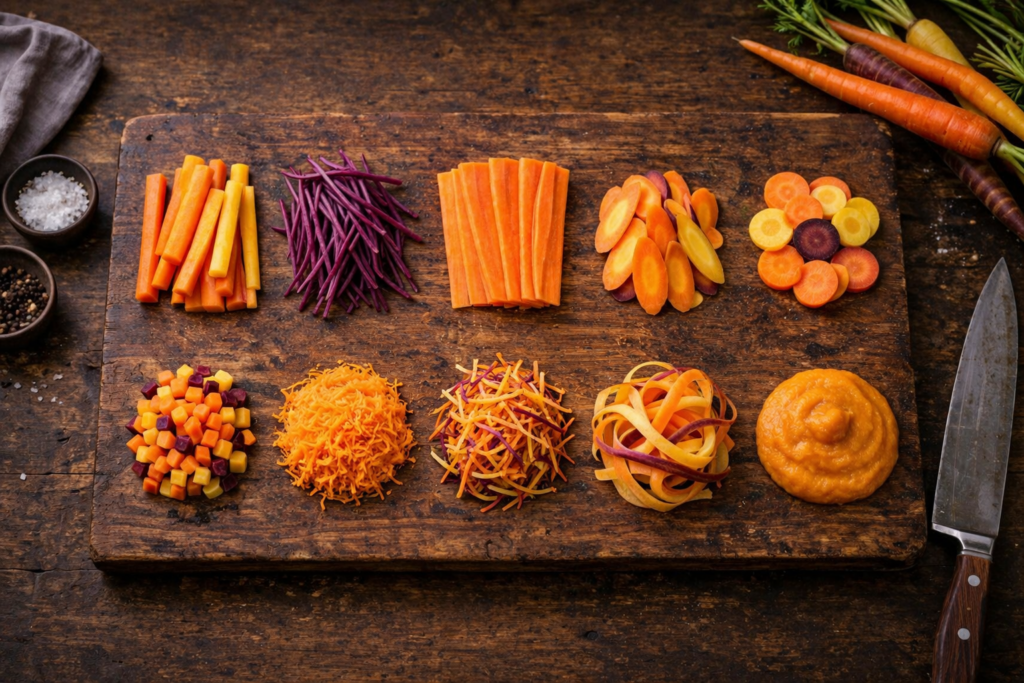
Ten Essential Carrot Preparations
Carrots don’t just add color or sweetness—they shape how a dish builds, often acting as the element that quietly wakes it up. There’s a subtle lift they bring—natural sugars, a bit of earth, and a soft aromatic backbone—that rounds out sharper edges and pulls other ingredients into focus. It’s not something you always notice immediately, but you feel it when it’s missing.
The way you cut them determines how they cook, how they carry flavor, and whether they stand out or settle in. Some cuts create structure, holding their shape and giving the dish definition, while others soften, blend, or disappear entirely, becoming part of the foundation rather than something you can point to. Before getting into the cuts themselves, it helps to understand what you’re actually working with.
The Shape of Things
Carrots are naturally tapered, denser at the top and thinner toward the tip, and that inconsistency matters more than it seems at first glance. The thicker end holds more mass and takes longer to soften, while the narrow tip cooks quickly and can tip into overdone before the rest catches up. If you cut straight through without accounting for that shift in size, you end up with pieces moving at different speeds—some just right, others already fading.
Taking a moment to break the carrot down into more uniform sections before moving into your final cut evens that out. It gives you control over how the carrot cooks instead of leaving it to chance, allowing heat to move through each piece at roughly the same rate. It’s a small adjustment, but it changes the outcome in a very real way—the difference between a dish that feels cohesive and one where you’re constantly chasing doneness across the pan.
Start with Thoroughly Washed Carrots
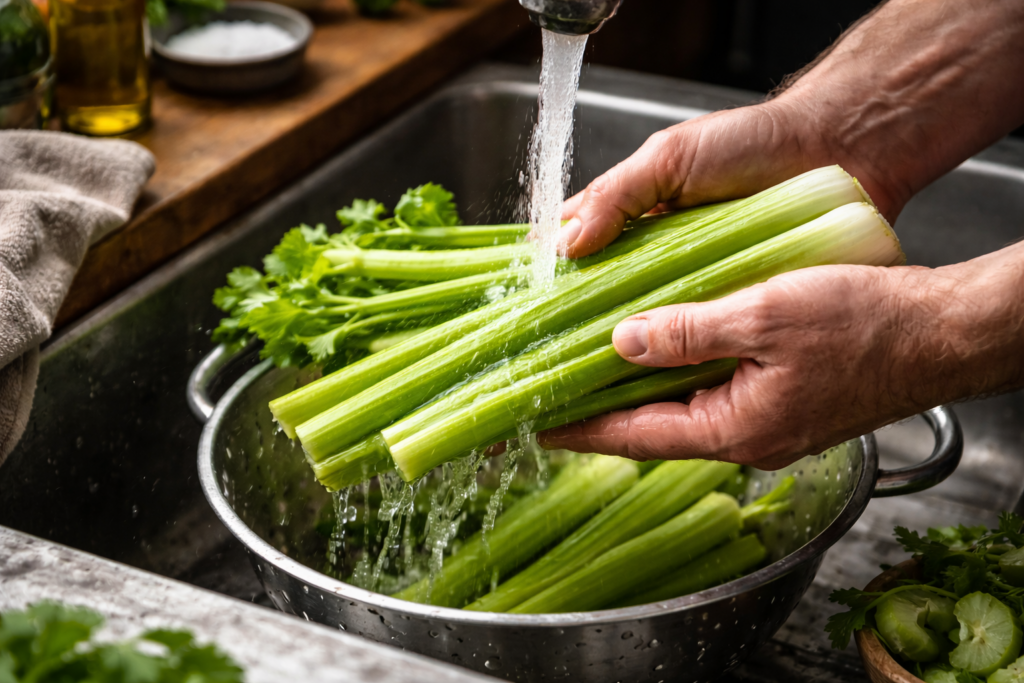
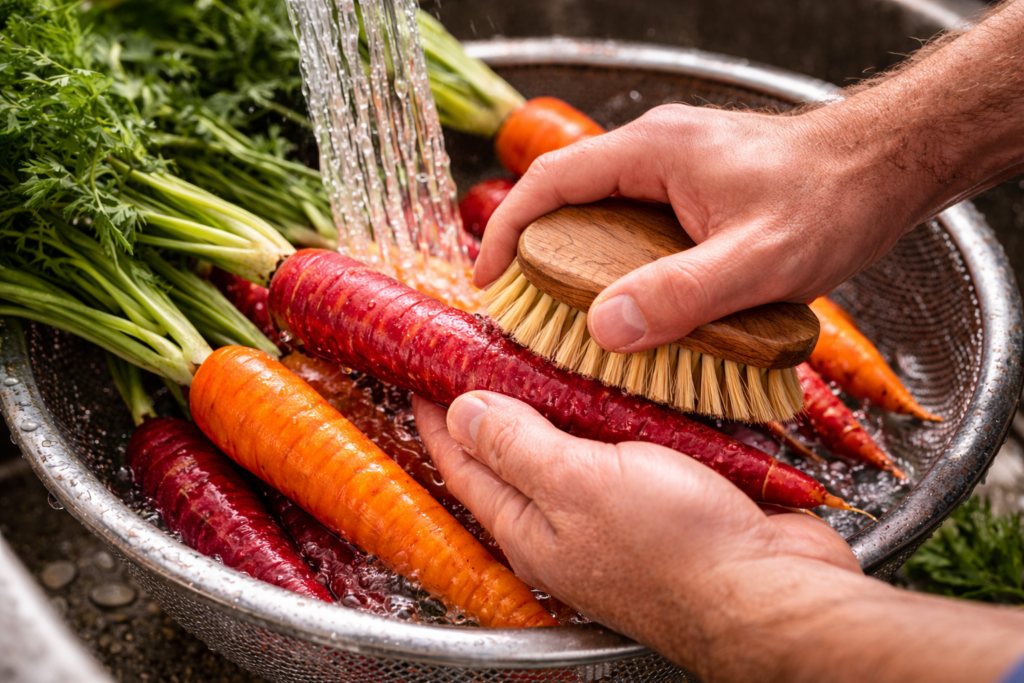
Carrots grow underground, and even when they look clean, there’s often a fine layer of grit still clinging to the surface, especially around the stem end and in any natural creases. A vinegar soak for 2-3 minutes, followed by a thorough scrub with a vegetable brush goes a long way in removing that residual earth, which can otherwise dull the flavor and texture of the final dish. Peeling is optional and depends on the application—leaving the skin on can add a bit of character and depth, while peeling creates a more refined finish—but either way, cleanliness matters more than appearance.
Once the carrots are properly prepped, you’re working with a clean foundation, and that’s where the real decision begins. The way you cut them will shape how they cook, how they carry flavor, and how they move within the dish—whether they hold their structure, soften into the background, or transform into something else entirely. It’s a simple step, but it sets the direction for everything that follows.
Planks
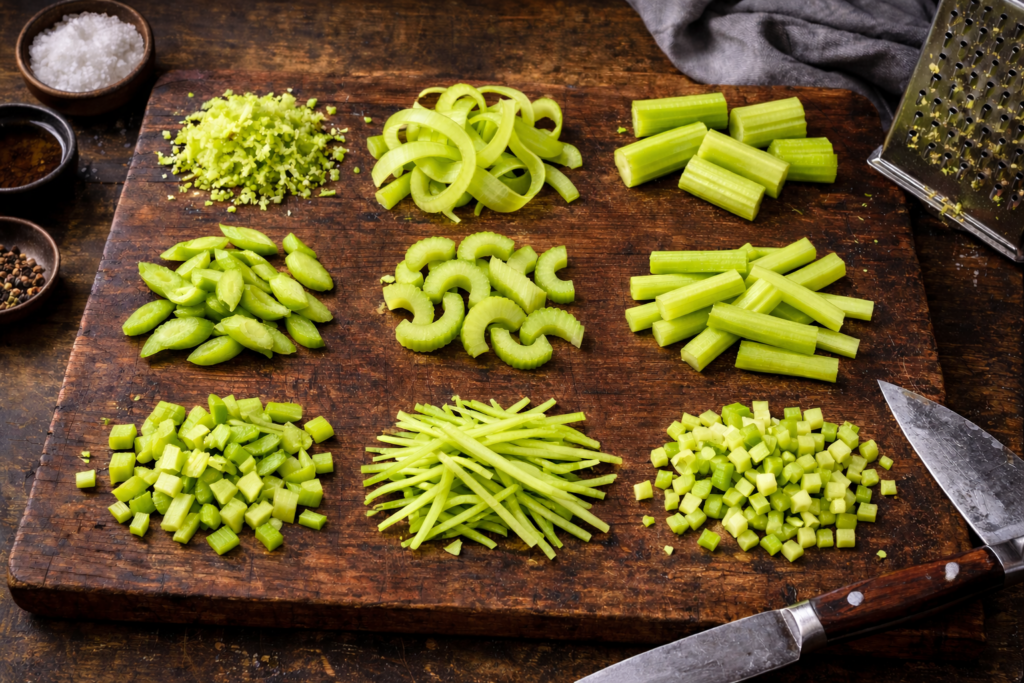
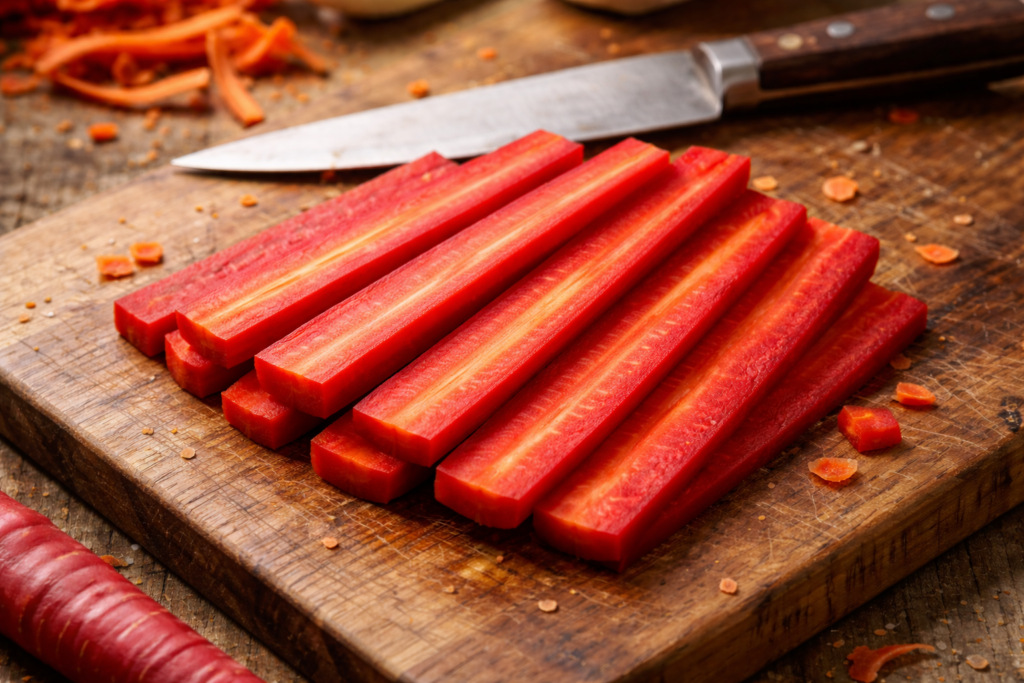
Long, flat slices cut lengthwise create planks that expose more surface area to heat, which encourages deeper browning while allowing the interior to stay tender. When sliced on the thinner side, they cook quickly and evenly, taking on color without breaking down or losing their structure. This balance makes them especially useful when you want the carrot to feel substantial but still refined on the plate.
For consistency, this is one of the few cuts where a mandoline earns its place. A sharp blade set to an even thickness gives you uniform planks that cook at the same rate, so you’re not juggling pieces that are browned in spots and underdone in others. It also allows you to go thinner than most knife work comfortably allows, which can shift the result from hearty to delicate without sacrificing control.
You’ll often see planks used in roasted vegetable spreads, warm composed salads, and grain bowls, where their shape allows them to layer naturally with other ingredients. They also work well in sautéed vegetable medleys or as a base for plating proteins, since the flat surface develops caramelization while still presenting cleanly.
Batons
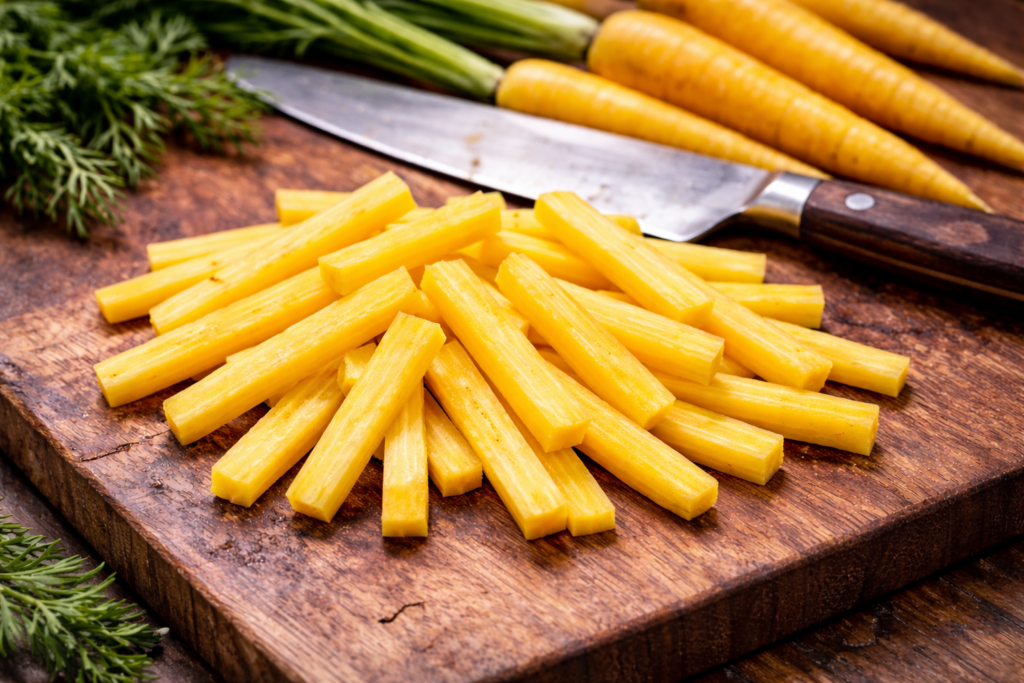
Uniform sticks, typically about 2–3 inches long and ¼–½ inch thick, create a clean, consistent cut that cooks at an even pace from end to end. That uniformity isn’t just visual—it ensures each piece responds to heat the same way, so you’re not dealing with a mix of overcooked edges and underdone centers. As they cook, the exterior develops color and light caramelization while the interior stays firm but tender, giving you a balanced texture throughout.
This makes them especially well-suited for roasting or glazing, where control and consistency matter and where the carrot is meant to hold its own on the plate. You’ll see this cut used in composed vegetable sides, sheet-pan roasts, and classic preparations like honey-glazed or butter-glazed carrots, as well as alongside roasted meats where structure and presentation matter. They absorb flavor without collapsing, maintain their shape through longer cooking times, and present cleanly, making them one of the most reliable and structured ways to work with carrots.
Julienne
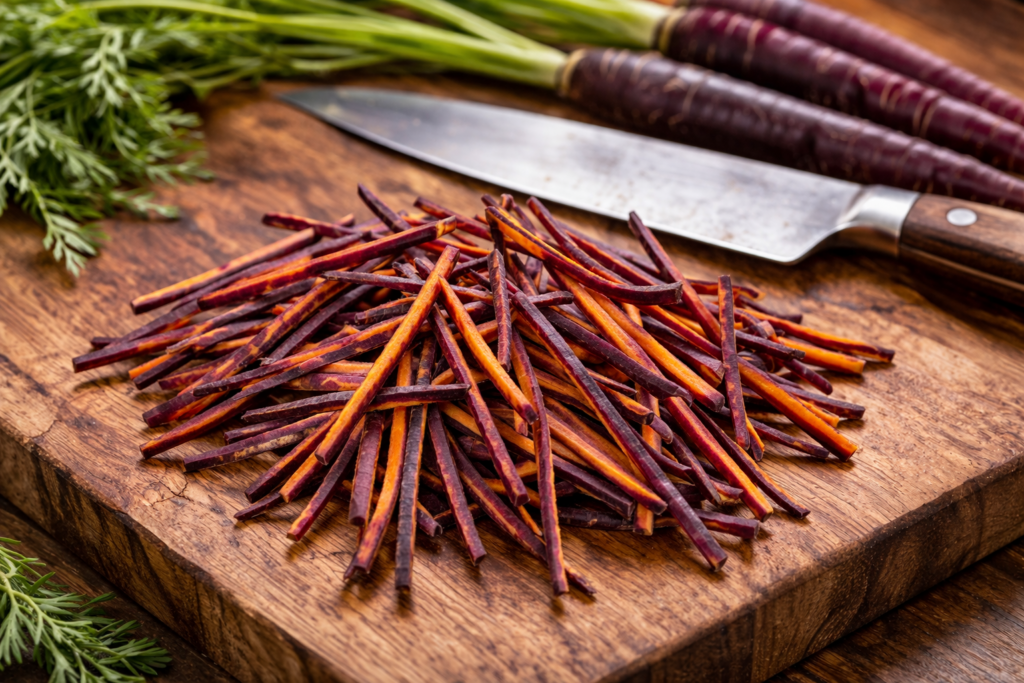
Thin matchstick cuts create a light, precise form that cooks quickly and evenly, allowing the carrot to soften without losing all of its texture. Because of their size and shape, they move easily in the pan, taking on heat and seasoning rapidly while maintaining just enough structure to stay present. They add texture without weight, making them ideal when you want the carrot to contribute without dominating.
This cut is especially well-suited for quick sautés, stir-fries, and slaws, where speed and balance matter, as well as for layered dishes like rice bowls, noodle dishes, and fresh salads. You’ll also see julienned carrots used as a finishing element—tossed into herb mixes, folded into spring rolls, or scattered over composed plates—where their shape brings both texture and visual lift.
Bias Cut
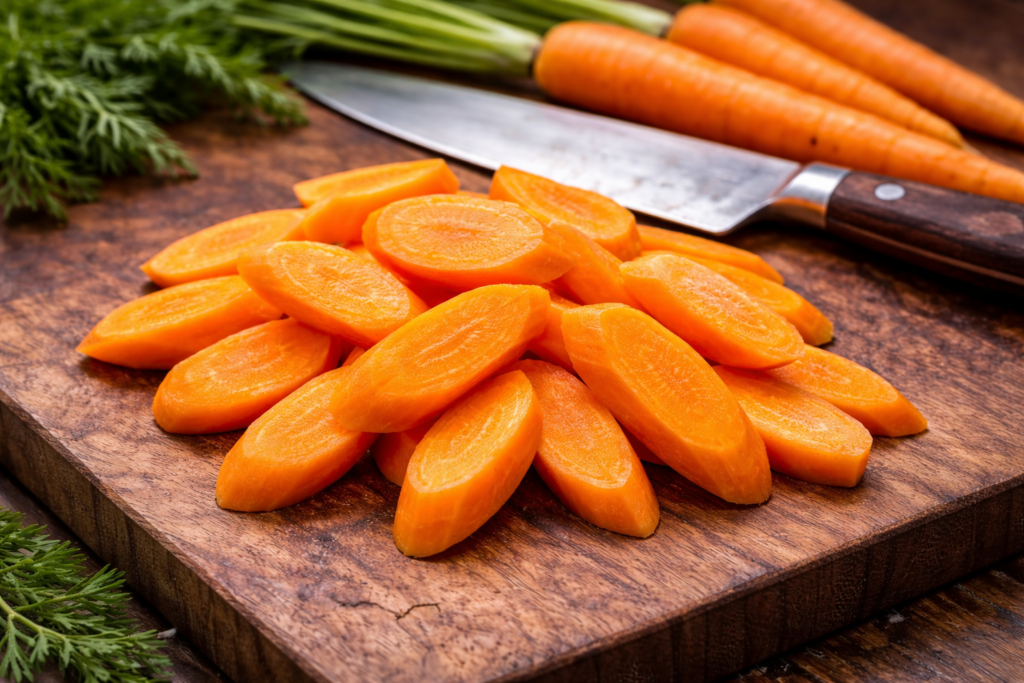
Slicing carrots on a bias—at a slight angle—creates elongated, oval pieces that increase surface area while keeping the cut substantial enough to hold its shape. That added surface allows heat to move more efficiently across each piece, promoting even cooking and better browning, while the tapered edges soften at a slightly different rate than the center, adding a subtle variation in texture. The result is a cut that feels both dynamic and controlled. Beyond how it cooks, the bias cut brings a natural sense of movement to the plate. The angled faces catch light differently, and the irregularity reads as more intentional and less rigid than straight cuts, which makes it especially useful when presentation matters.
This prep is commonly used in stir-fries, sautéed vegetable medleys, and noodle dishes, where quick, even cooking is key and where the pieces need to move easily through the pan. It also works well in braised dishes and soups, where the increased surface area helps the carrots absorb surrounding flavors, as well as in composed sides where a bit of visual variation elevates an otherwise simple preparation.
Coins
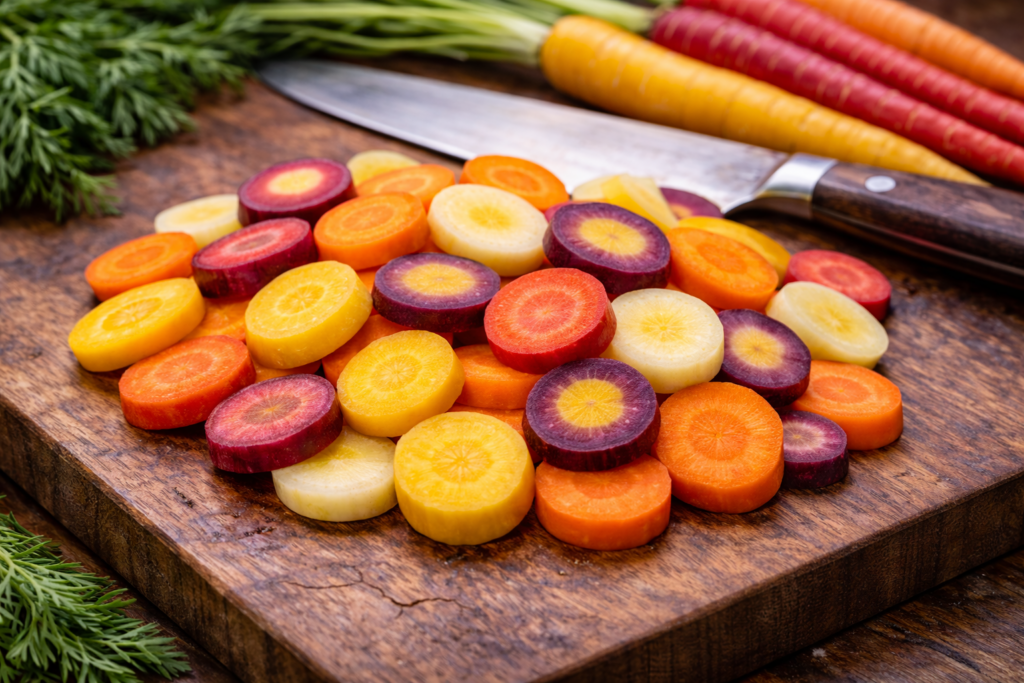
Straight crosswise slices create coins—clean, familiar, and deceptively versatile. Because the cut runs perpendicular to the carrot’s length, each piece cooks evenly from edge to center, giving you a consistent texture throughout. Their role is largely defined by thickness: thinner coins soften quickly and blend more easily into a dish, while thicker slices hold their shape and retain a bit of bite, offering more presence on the plate.
This range makes them useful across a wide spectrum of preparations. Thin coins are ideal for soups, broths, and quick sautés, where they soften into the base and carry flavor without drawing too much attention. Thicker coins work well in roasted vegetable dishes, glazed sides, and braises, where they can develop color while maintaining structure. You’ll also see them in stews, pot roasts, and simple vegetable medleys, where their straightforward shape allows them to cook evenly alongside other ingredients without requiring much adjustment.
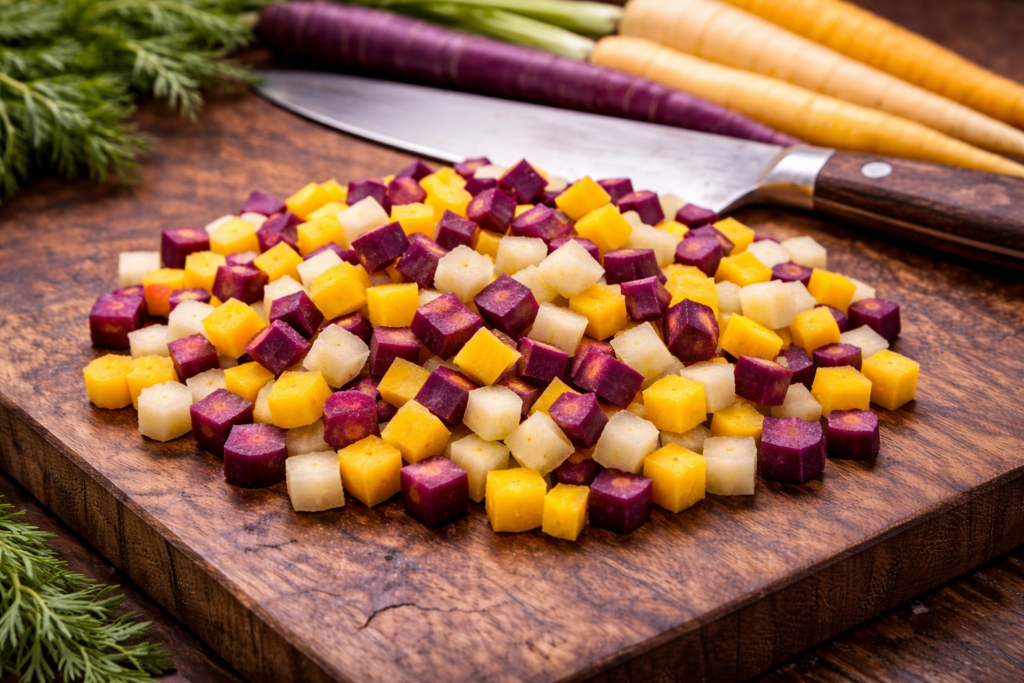
Diced
Small, uniform cubes create a cut that’s built for consistency and integration. Because each piece is nearly identical in size, they cook at the same rate, allowing the carrot to soften evenly without any one piece standing out. The result is a texture that blends seamlessly into a dish, offering subtle sweetness and structure without pulling focus.
This makes diced carrots especially well-suited for soups, sauces, and fillings, where they’re meant to support rather than lead. You’ll find them in classic mirepoix, folded into stews and braises, worked into ragùs and meat sauces, or mixed into stuffings and savory pies. In these applications, the goal isn’t to showcase the carrot on its own, but to let it round out the dish—adding depth, body, and balance in a way that feels cohesive rather than distinct.
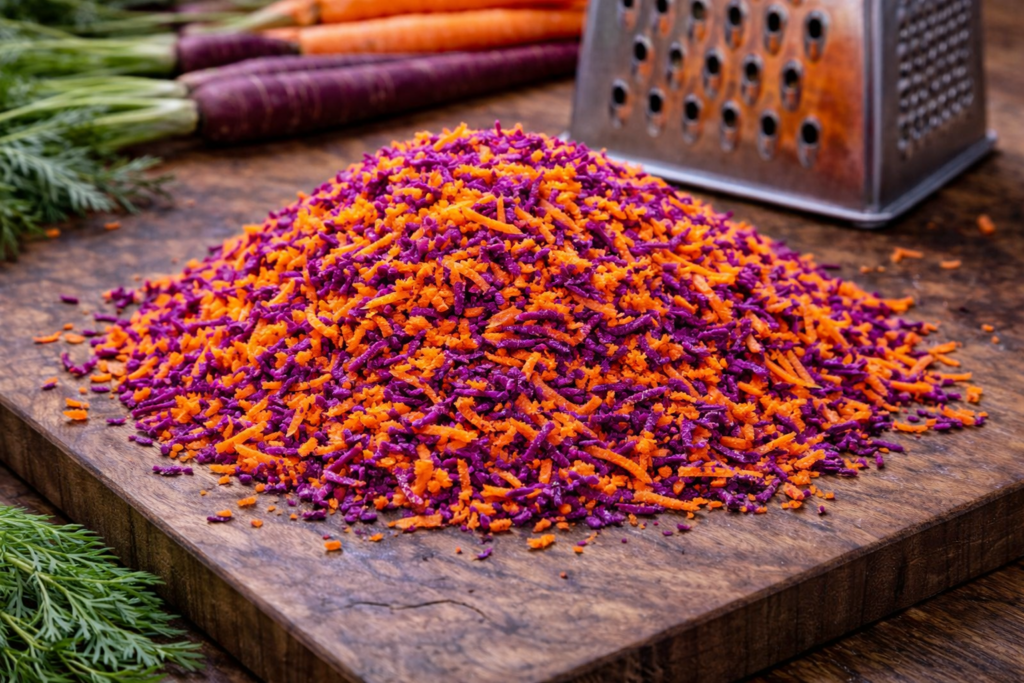
Grated
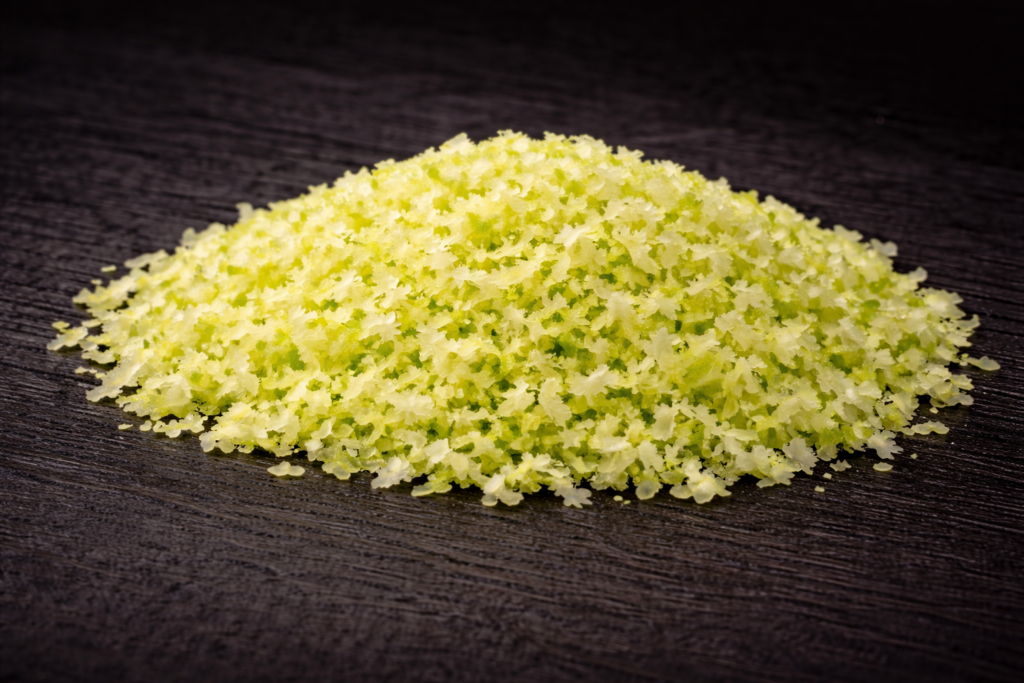
Grated carrots create a fine, soft texture that breaks down quickly under heat or agitation, allowing them to blend seamlessly into whatever they’re added to. This prep can be achieved with the fine or medium grate sides of a box grater (depending on the recipe). Because the pieces are so small, they release moisture and natural sugars almost immediately, subtly sweetening and softening the overall dish without adding noticeable structure. Rather than standing out, they dissolve into the background, shaping flavor and texture in a more understated way.
This makes them especially useful in baked goods like carrot cake, muffins, and quick breads, where they add moisture and tenderness without leaving distinct pieces behind. They also work well in sauces, dressings, and spreads—stirred into tomato sauces, folded into slaws, or mixed into dips—where they contribute body and a gentle sweetness. In some cases, they’re even used as a hidden ingredient in savory dishes, melting into the base to round out sharper or more acidic elements without announcing themselves.
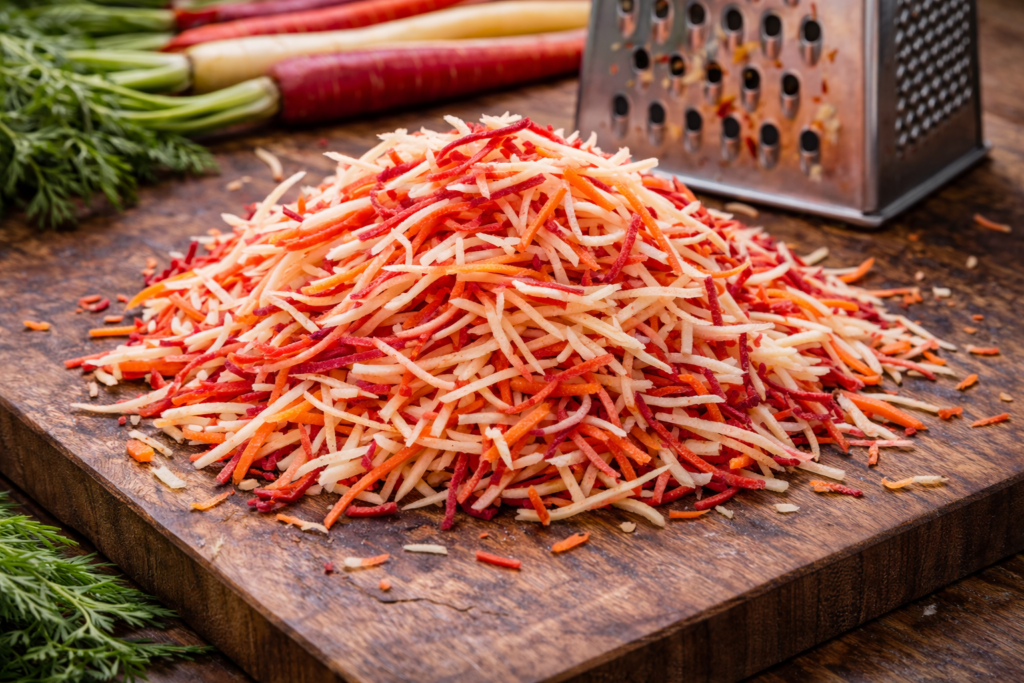
Shredded
Shredded carrots are produced on the coarse grate (larger holes) side of a box grater, creating longer, thicker strands with more texture and presence than a fine grate. That added size gives them structure—they soften slightly as they’re dressed or cooked, but retain enough integrity to stay distinct. They absorb flavor well while still offering a gentle bite, striking a balance between tenderness and texture.
This makes shredded carrots a natural fit for slaws, fresh salads, and quick pickles, where their strands catch and hold onto dressings. They’re also commonly used in sandwiches, wraps, and grain bowls, adding brightness and a bit of crunch, and can be folded into stir-fries or quick sautés where they soften just enough without disappearing. In these applications, they bring both texture and lift, contributing to the dish without taking it over.
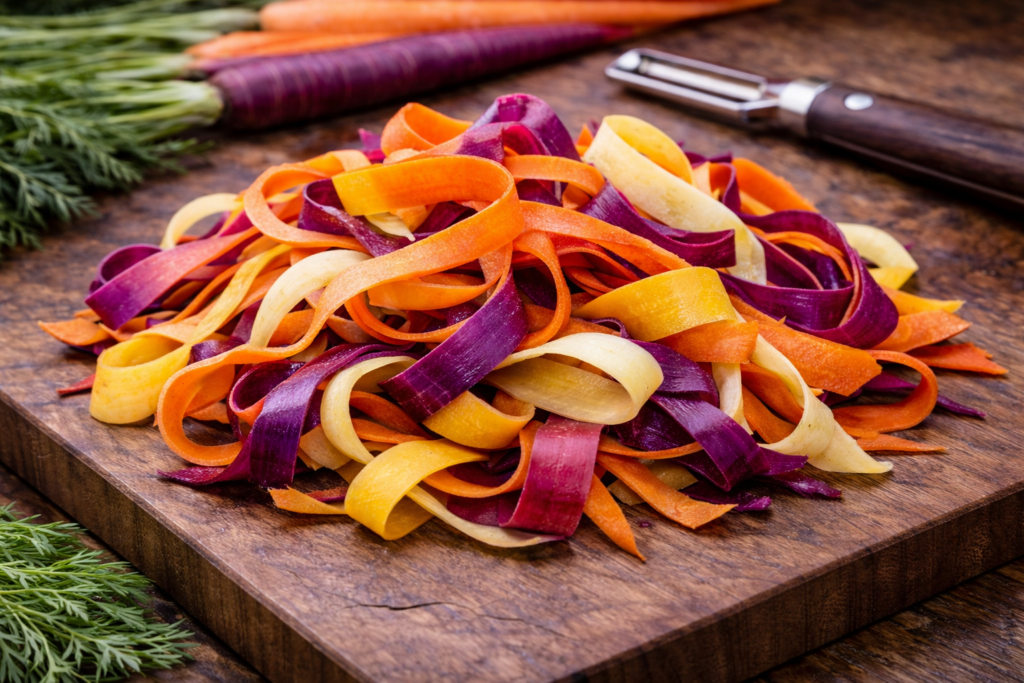
Ribbons
Wide, thin strips made with a vegetable peeler create ribbons that are flexible, delicate, and visually expressive. Because they’re sliced so thin, they don’t require much cooking—if any—and respond quickly to dressings, heat, or acid. Their texture is soft with just a slight bite, allowing them to drape and fold naturally, which brings a more refined, fluid quality to the dish.
Ribbons are most often used raw or lightly dressed, making them a strong choice for fresh salads, composed vegetable plates, and light starters where presentation matters as much as flavor. They also work well layered into grain bowls, wrapped into spring rolls, or tossed gently with warm ingredients where residual heat softens them just enough. In these applications, ribbons are less about structure and more about movement, adding a subtle texture and an elevated visual element without weighing the dish down.
Purée
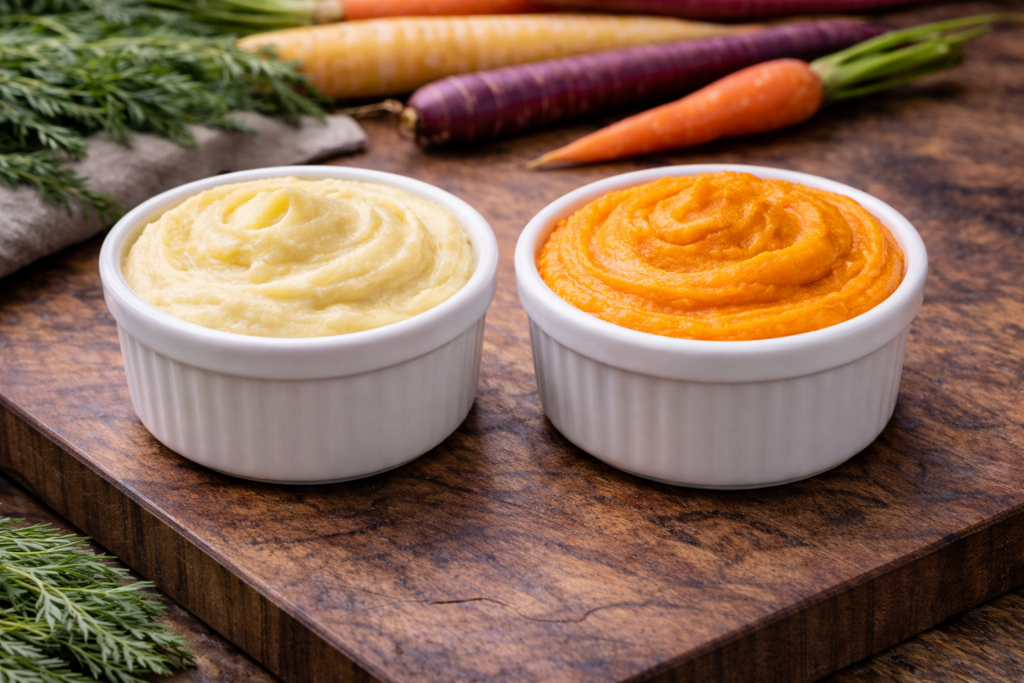
Cooked and blended in a food processor until smooth, carrot purée transforms the ingredient from something you can see into something that defines the dish. As the fibers break down, the natural sugars concentrate and the texture becomes soft, cohesive, and almost silky. What you’re left with is a base that carries both flavor and body, rather than a component that sits alongside everything else.
This makes purée especially well-suited for soups, where it can form the foundation or add depth to a blended base, as well as for sauces and plated elements where a smooth, controlled texture is key. It’s often used as a bed for roasted meats or vegetables, spread across the plate to anchor a composition, or incorporated into dishes where a touch of sweetness and richness helps round out sharper or more savory elements. In these applications, the carrot isn’t just present—it’s doing the work of holding everything together.
Final Thoughts
Carrots are simple, but they respond to how you handle them in ways that are easy to overlook. A small shift in preparation can change not just their texture, but how they take on heat, how they release their natural sugars, and how they settle into the overall structure of a dish. What seems like a straightforward ingredient starts to behave very differently depending on the choices you make at the board.
Each preparation changes how they cook, how they taste, and how they interact with everything around them. Some preparations allow them to hold their own, adding structure and presence, while others let them soften, blend, or carry flavor more quietly. Once you start choosing the preparation with intention, you move past simply adding carrots out of habit and begin using them with purpose—shaping not just the ingredient, but the direction and balance of the dish itself.