Soffritto is the foundation of Italian cooking, built from finely chopped onion, carrot, and celery gently cooked in olive oil until softened and aromatic. As the vegetables release their moisture and natural sweetness, they come together into a cohesive base that carries flavor through the entire dish. Used in sauces, soups, and braises, soffritto shapes how a dish develops from the start, providing depth and balance without ever drawing attention to itself.
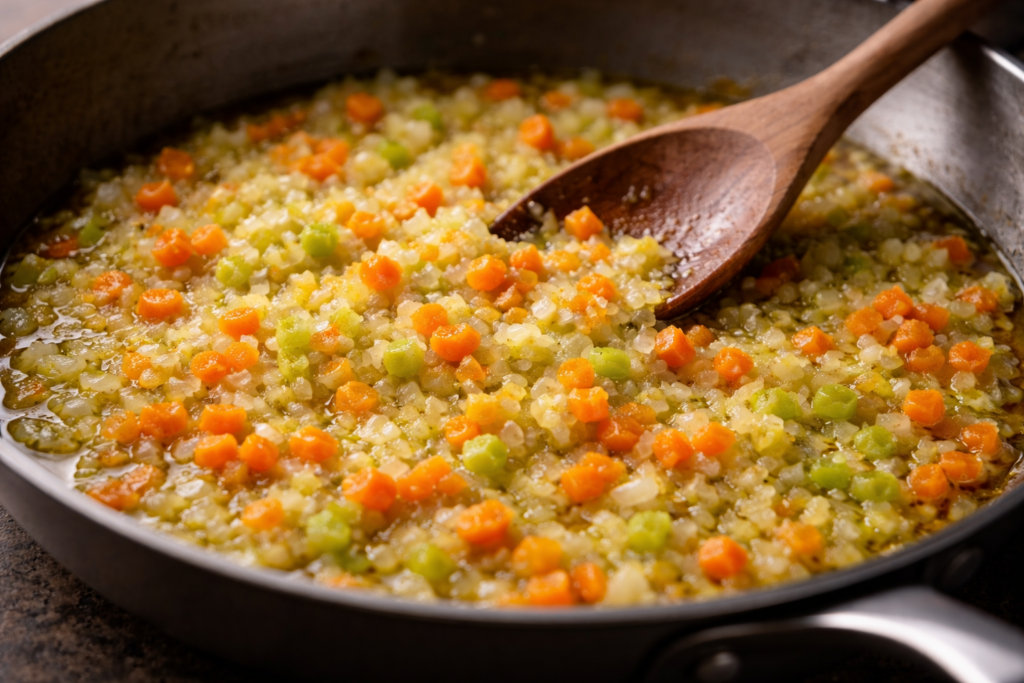
Soffritto
What It Is and Where It Comes From
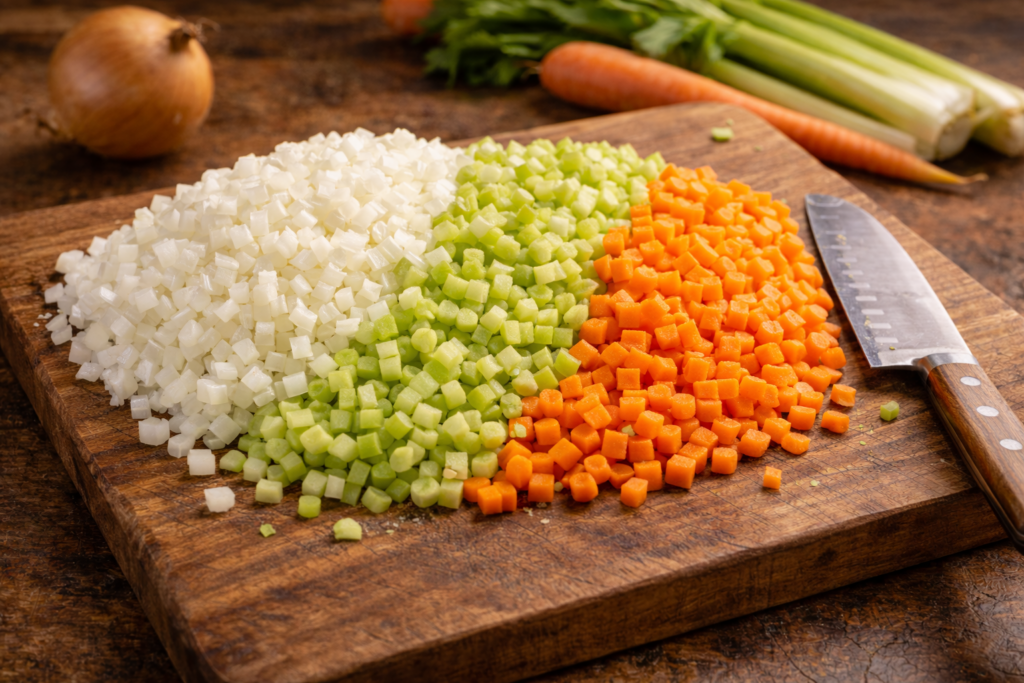
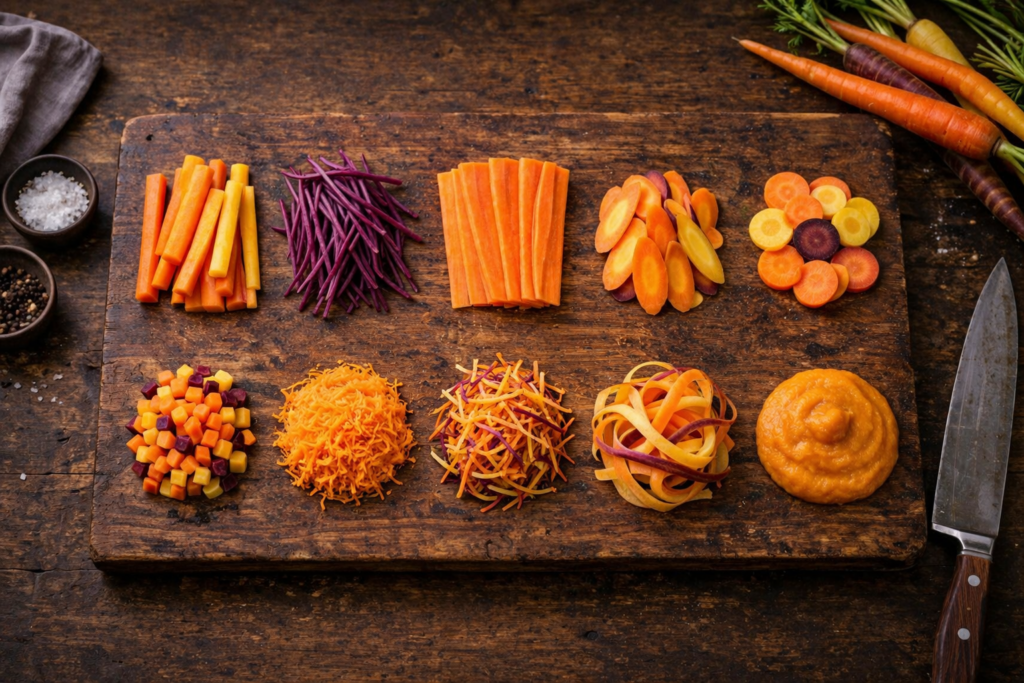
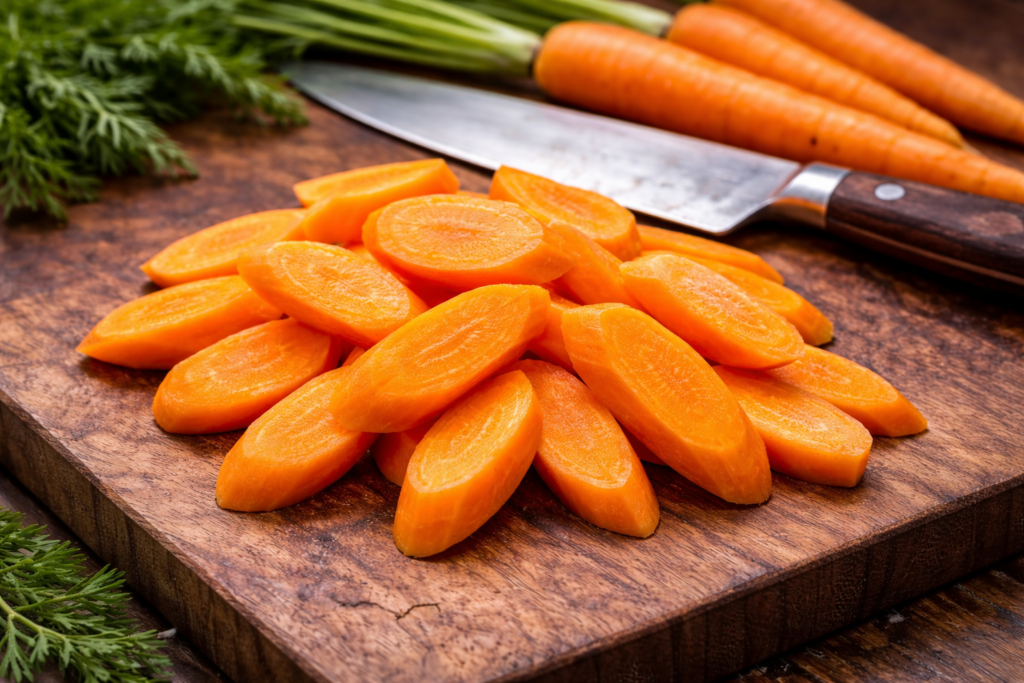
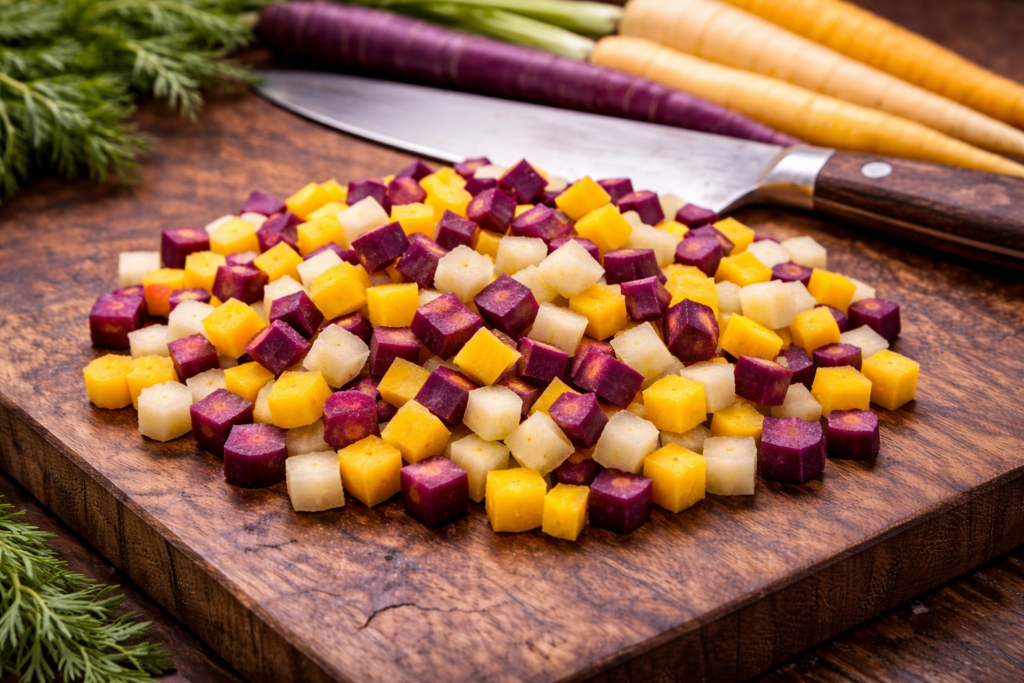
In Italian cooking, the foundation for building flavor begins before anything touches heat, with battuto—a finely chopped mixture of onion, carrot, and celery prepared as the base for what follows. The name comes from battere, meaning “to chop,” and it refers to the preparation itself: a deliberate, uniform cut that determines how the vegetables will cook and integrate. This step sets the structure, ensuring that the ingredients will break down evenly and fully once introduced to the pan.
Once that mixture meets olive oil and heat, it becomes soffritto. The name comes from soffriggere, meaning “to gently fry,” which reflects both the technique and the restraint behind it. This is not a hard sauté or a quick step meant to move things along. It is a controlled process that prepares the base of a dish before anything else is introduced.
Although the ingredients closely resemble those used in French mirepoix, the approach in Italian cooking leans toward finer cuts and a more deliberate cook. The vegetables are often chopped small enough to break down as they soften, allowing them to integrate fully into the dish rather than remain distinct. By the time the next ingredients are added, the soffritto is no longer a collection of vegetables, but a unified base that supports everything that follows.
How It Works
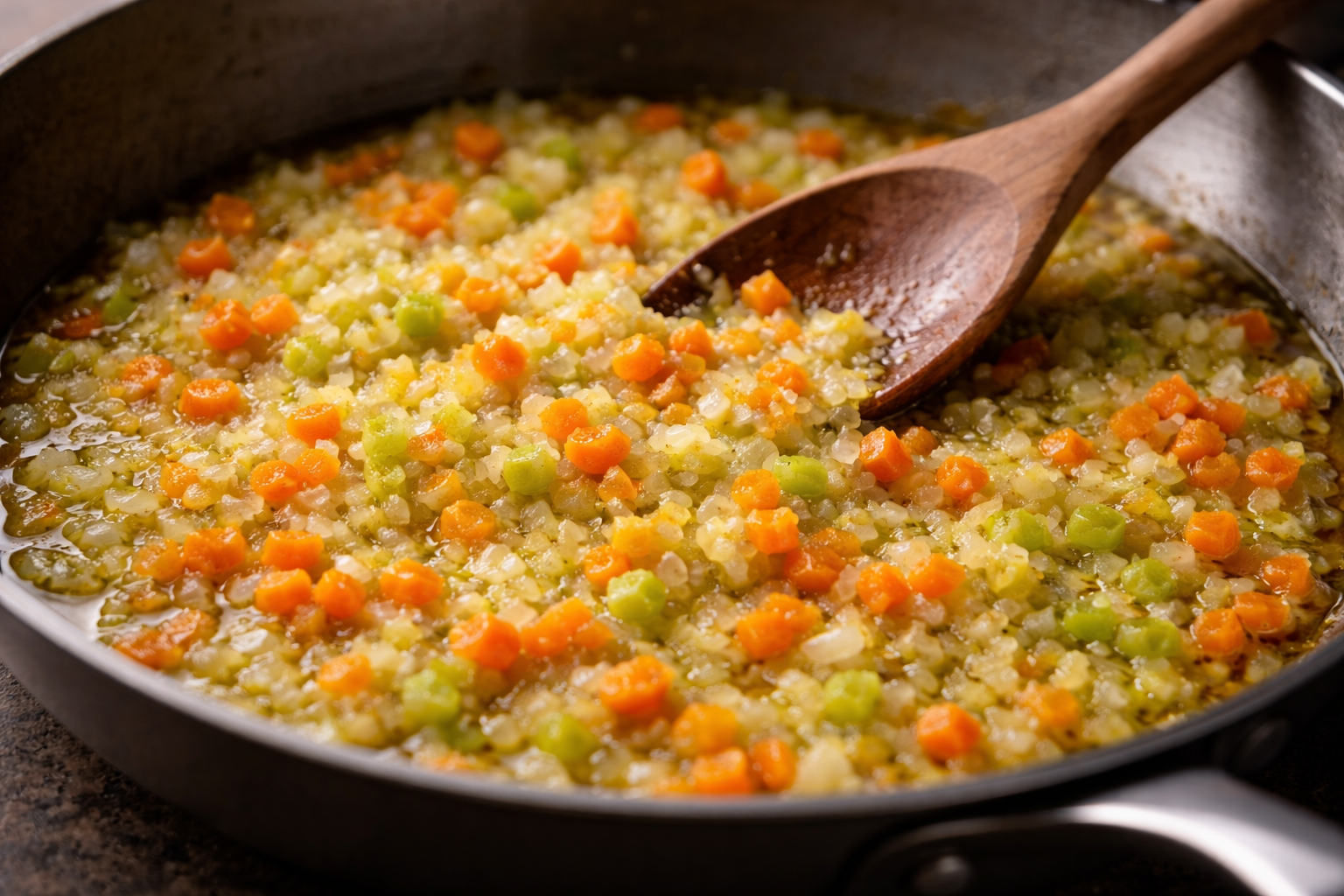
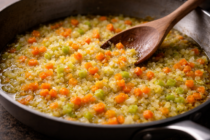
Soffritto develops through time, heat, and restraint. As the vegetables cook in olive oil, they begin to release moisture, softening gradually and losing the sharpness they carry in their raw state. The onion becomes sweeter and more rounded, the carrot deepens that sweetness, and the celery introduces a subtle bitterness that keeps the mixture balanced. The oil acts as both a cooking medium and a carrier, absorbing these changes and distributing them evenly.
The process is defined by what does not happen as much as what does. There is no aggressive browning, no attempt to push the vegetables toward caramelization. Instead, the goal is to bring them to a point where they are fully softened, lightly sweet, and aromatic without taking on color. At that stage, the individual ingredients stop standing apart and begin to function as a cohesive whole, forming a base that can carry the rest of the dish.
How It’s Used
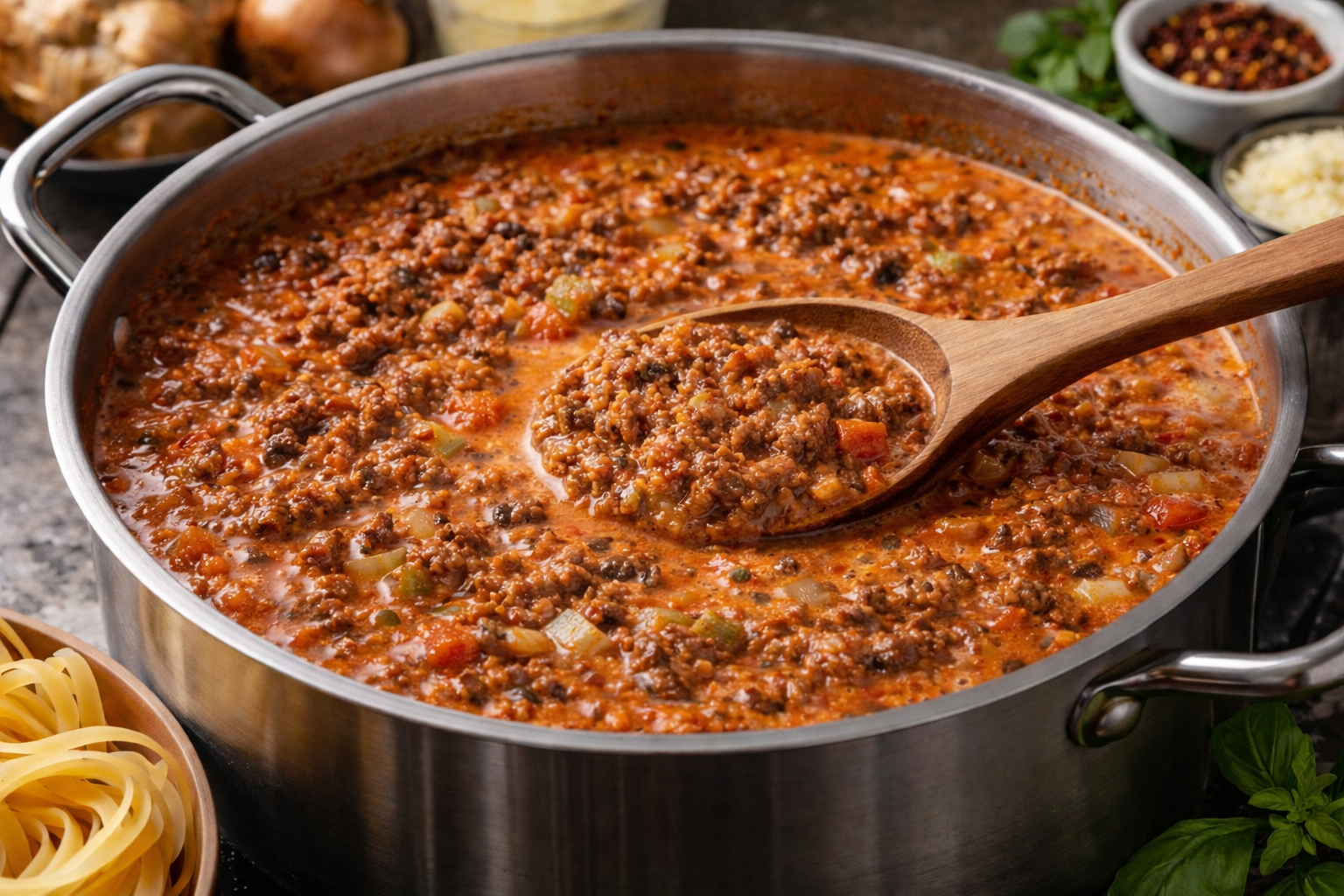
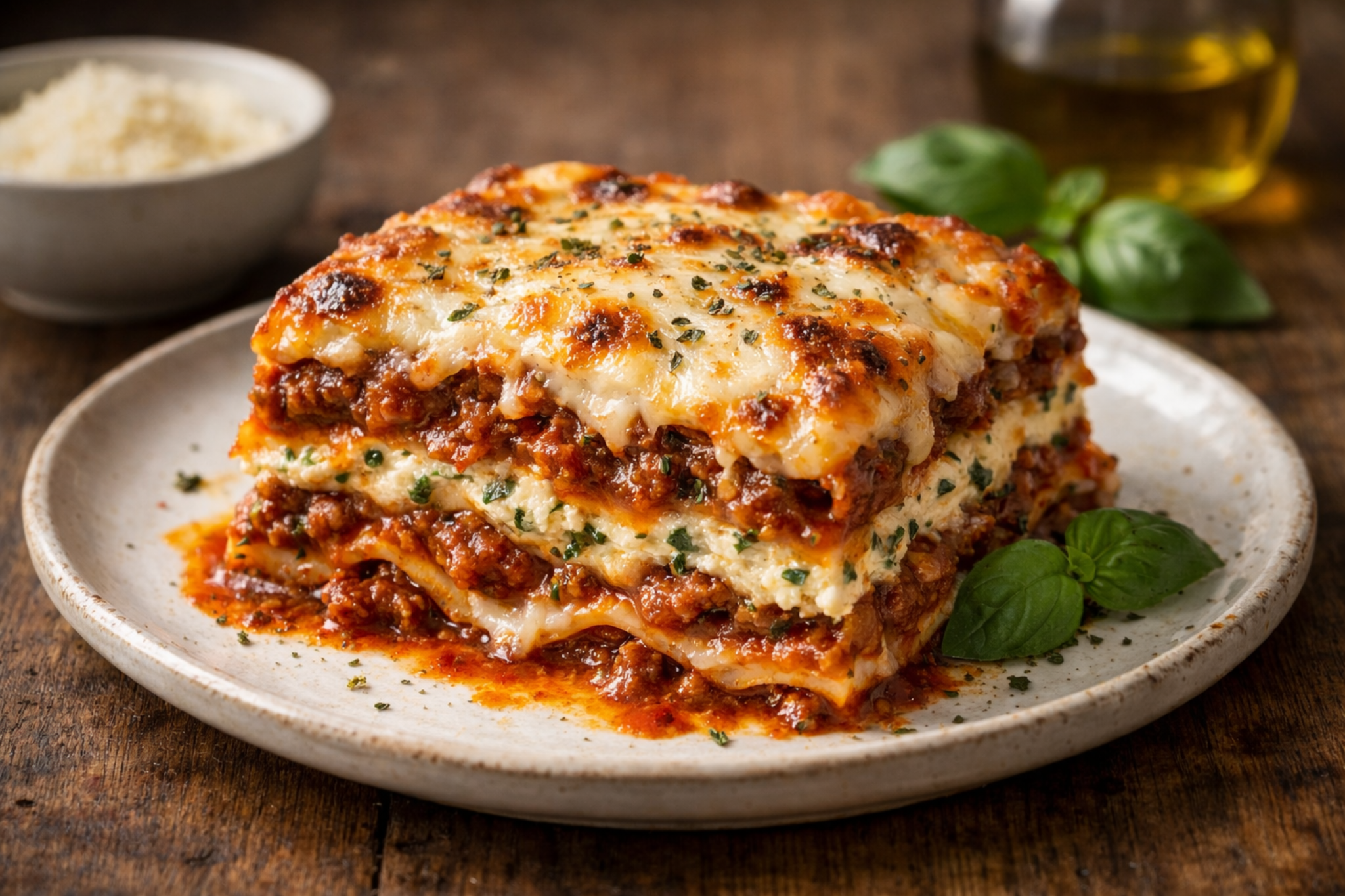
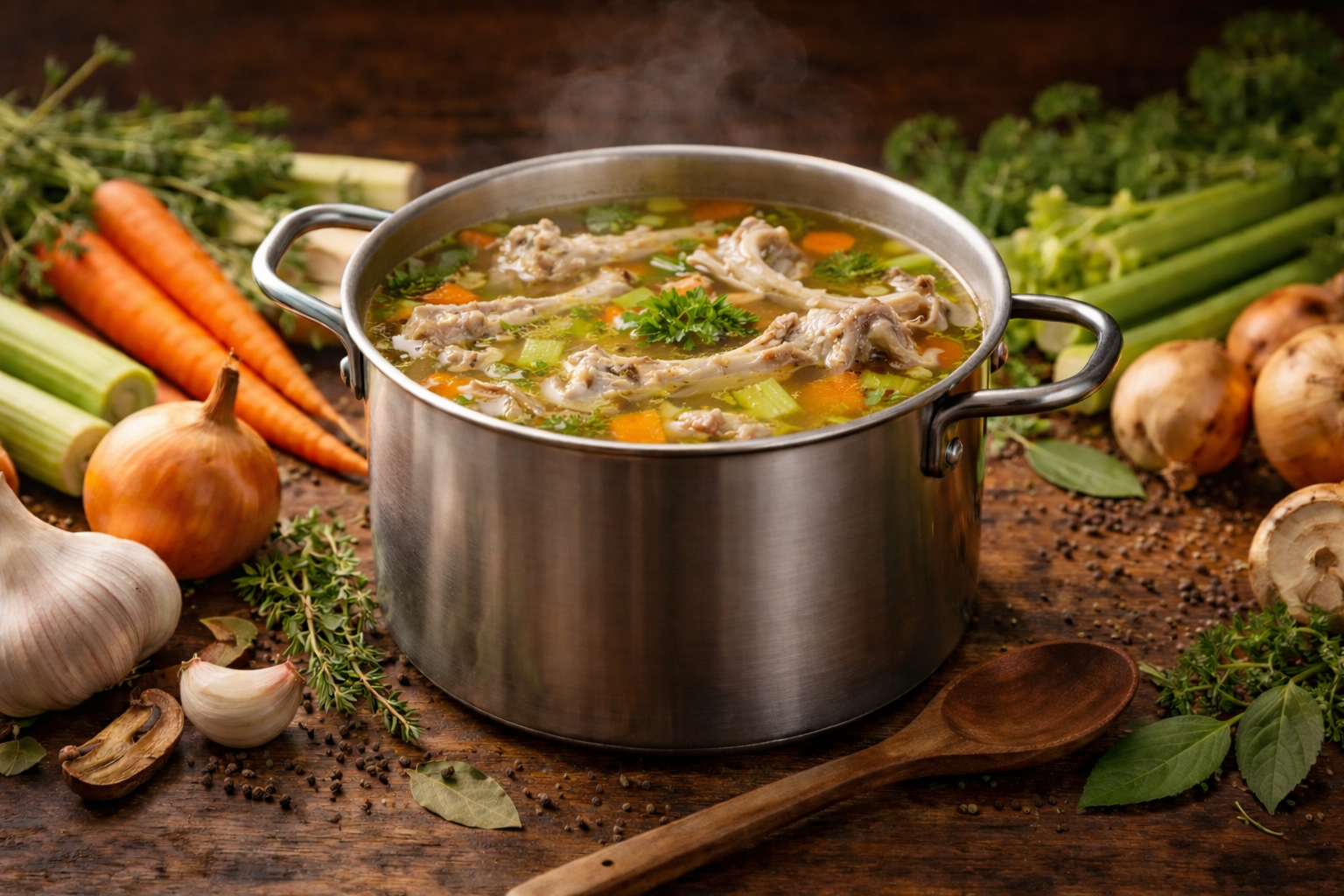
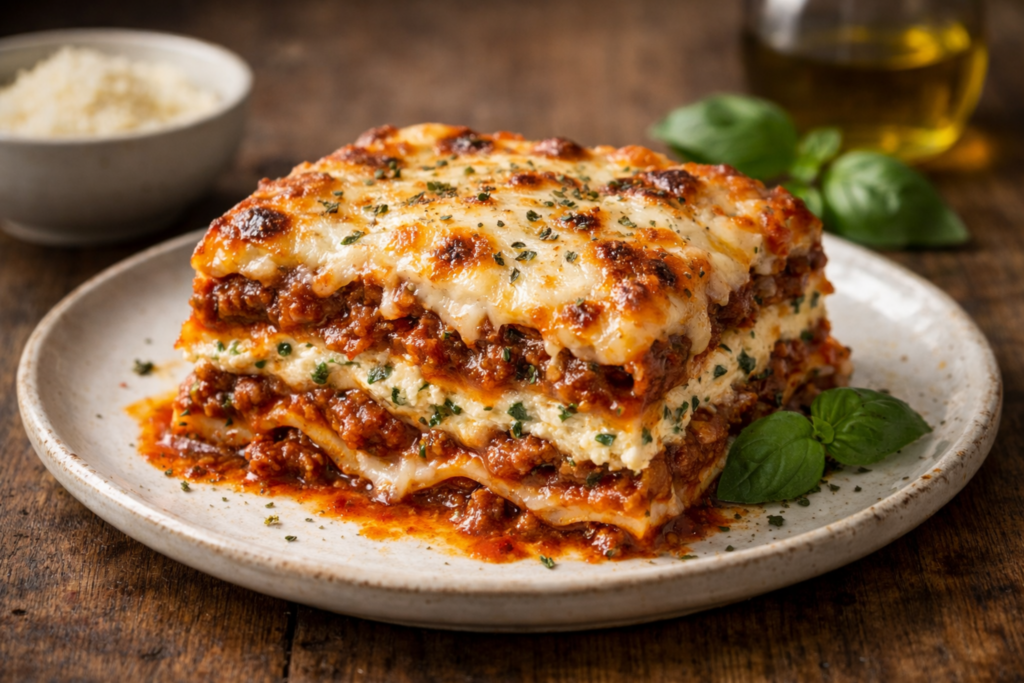
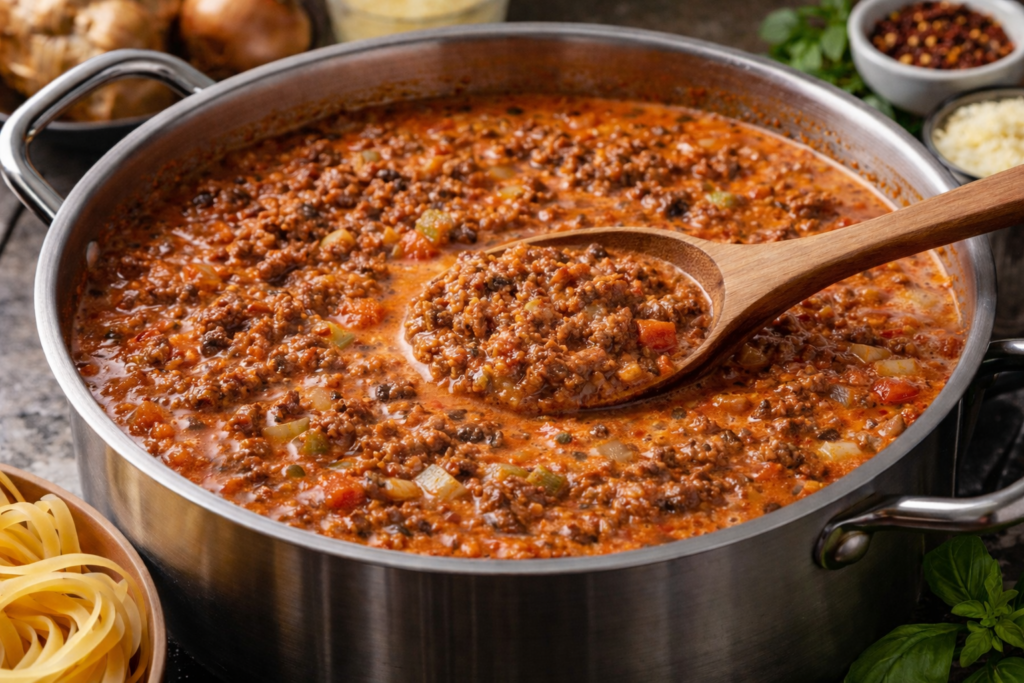
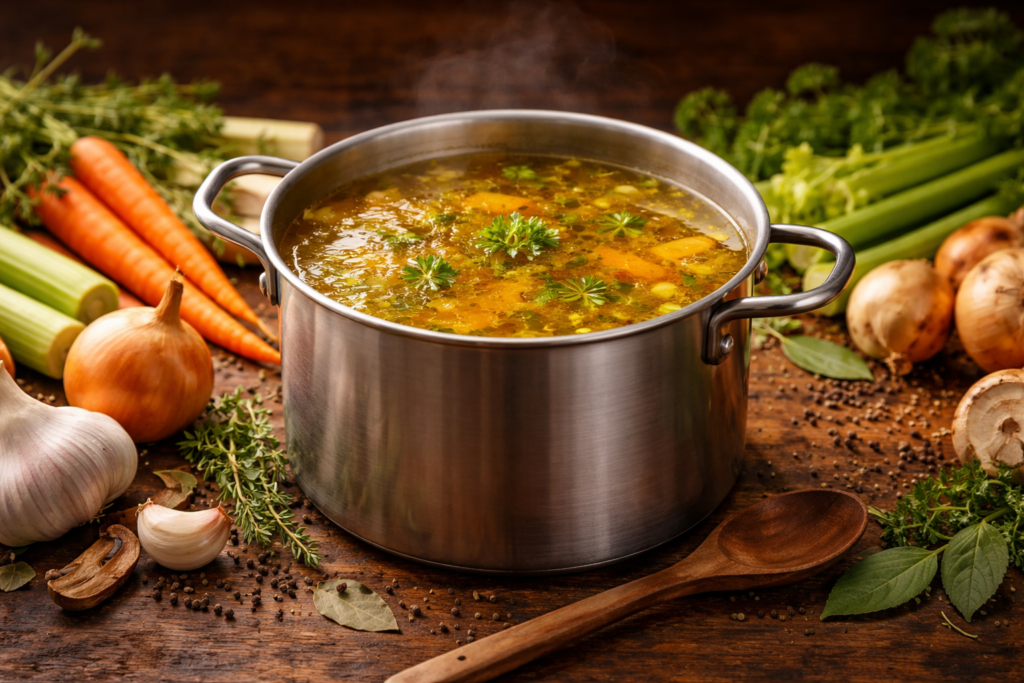
Soffritto is used at the beginning of a dish, but its role extends far beyond that first step. It establishes a base that continues to influence how ingredients interact as the cooking progresses. In ragù, it sets the tone before the meat is introduced, shaping how the fat carries flavor through a long simmer. In soups and stews, it gives structure to the broth, creating a sense of continuity that allows each addition to feel connected rather than separate.
Its impact is most noticeable in what it prevents. Without it, dishes often feel fragmented, with ingredients that sit alongside one another instead of forming a cohesive whole. With it, the transition from one stage of cooking to the next becomes more seamless, and the final result carries a depth that feels built rather than assembled.
How to Work With It
Working with soffritto is less about movement and more about control. The process begins with olive oil over moderate heat, allowing the vegetables to soften gradually rather than sear on contact. A small amount of salt early in the cook helps draw out moisture, encouraging even breakdown and preventing the edges from taking on color too quickly.
From there, the focus shifts to timing and observation. The vegetables should move from firm and opaque to tender and slightly translucent, with a soft sheen from the oil and a fully developed aroma. This stage is easy to rush, but doing so interrupts the transformation that gives soffritto its function. Keeping the heat steady and allowing the mixture to develop fully ensures that the base is balanced before anything else is added.
Variations
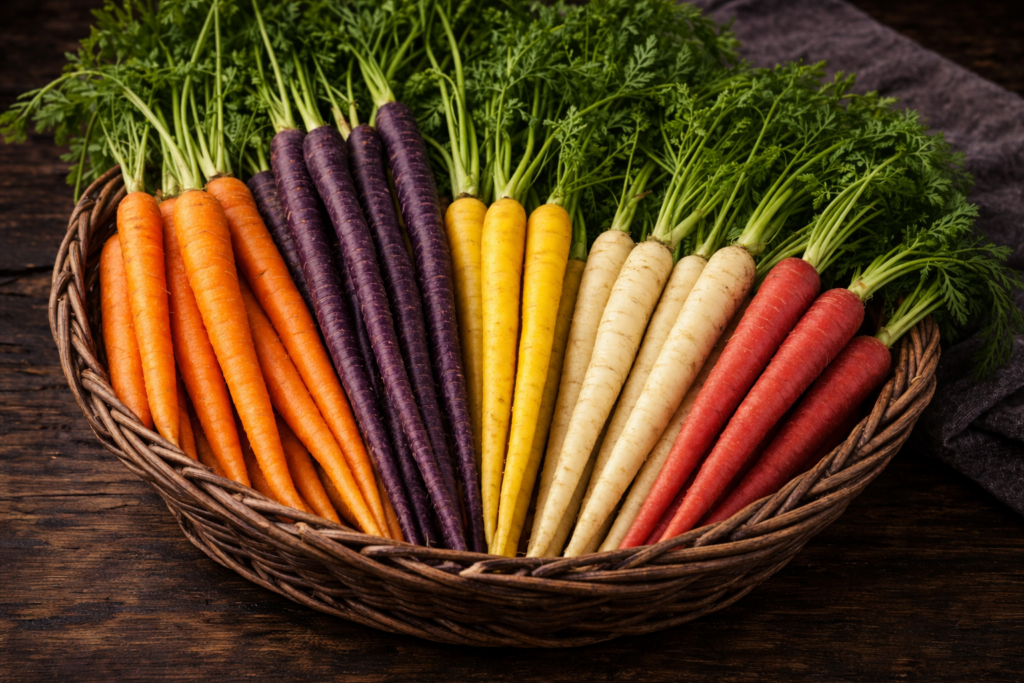
While the classic combination of onion, carrot, and celery remains consistent, soffritto is not entirely fixed in its composition. The proportions of each ingredient can shift depending on the dish, allowing for adjustments in sweetness, brightness, and overall balance. A heavier hand with onion or carrot will bring more sweetness, while increasing the celery introduces a slightly more vegetal, structured note.
Additional elements may be included depending on the context. Garlic is sometimes added, though often later in the process to prevent it from becoming too dominant or bitter. In richer dishes, pancetta or other cured meats can be introduced, contributing both fat and a deeper savory quality. Herbs such as parsley may also appear, though typically as a supporting component rather than a defining one.
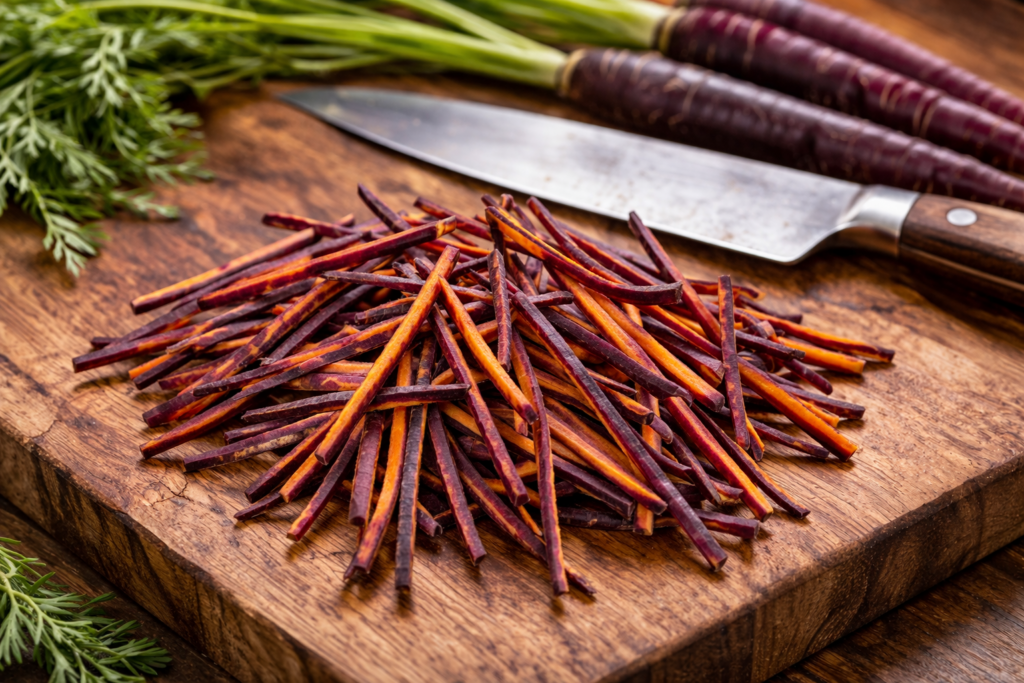
Texture is another point of variation. A finer cut allows the soffritto to dissolve more completely into the dish, while a slightly larger cut gives it more presence. Both approaches are used, with the choice depending on how integrated the base is meant to be in the final result.