Onions have been feeding people for thousands of years, long before written recipes existed. They’re one of the earliest cultivated crops, valued not just for their flavor, but for their ability to store well and travel. Ancient civilizations used them as both food and medicine, and they became a staple across cultures because they were reliable, accessible, and endlessly adaptable.
Onion
Layers of Flavor
Understanding onions isn’t just about knowing what they are. It’s about understanding how flavor is built from the very beginning. It’s easy to overlook because it’s always there. There are very few ingredients that show up as consistently—or matter as much—as the onion. It’s in the background of soups, stews, sauces, sautés, braises, and roasts. It’s often the first thing in the pan and rarely the star on the plate, but it’s doing more work than almost anything else in your kitchen. If your food ever feels flat, there’s a good chance the issue isn’t salt or spice—it’s how your onions were handled.
Onions don’t just shape flavor—they carry a quiet layer of nutritional value as well. They’re mostly water, but what’s left includes vitamin C, B6, folate, and potassium, along with antioxidant compounds like quercetin. None of it is overwhelming on its own, but onions show up often enough in cooking that they contribute more than they get credit for. What matters even more is the chemistry behind their flavor—because that’s what determines how they behave in a pan.
Onions also behave very differently depending on how you use them. Raw, they’re sharp, bright, and assertive, driven by sulfur compounds that create their bite. Cook them, and that edge softens as those compounds begin to break down, shifting the onion into something sweeter, rounder, and easier to integrate into a dish. That transition—from raw to cooked—is the foundation of how onions work.
A Brief History
Types of Onions — And When to Use Them
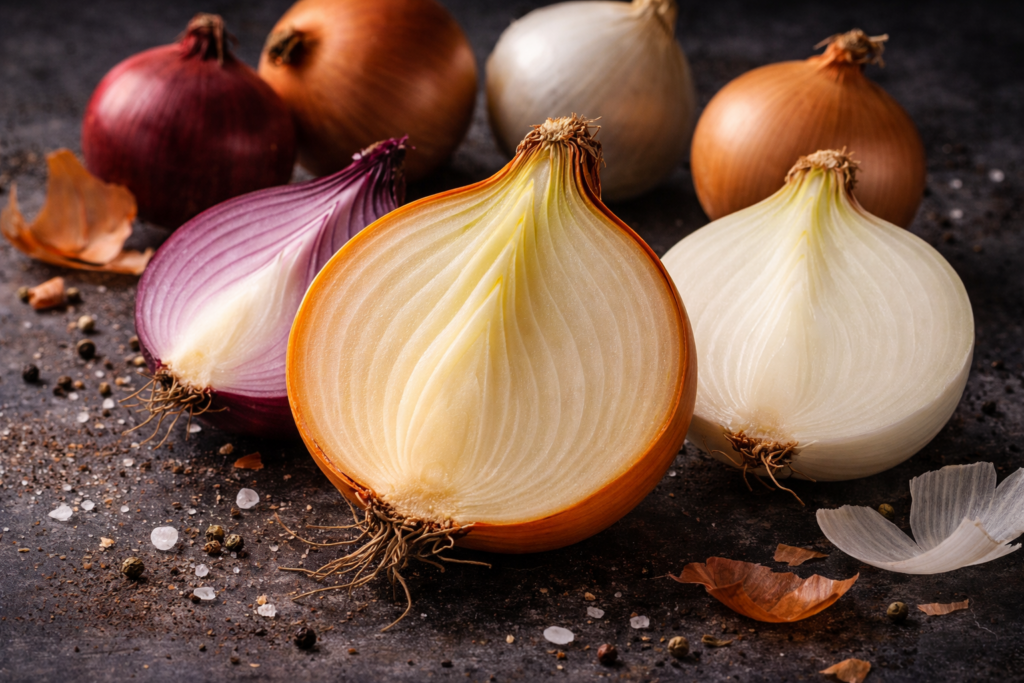
- Yellow Onions: This is your workhorse. Yellow onions strike the best balance between sweetness and sharpness, which makes them ideal for most cooked applications. They break down well, develop deep flavor over time, and are the backbone of soups, sauces, braises, and anything that starts with a pan. If a recipe just says “onion,” this is usually what it means.
- White Onions: Cleaner, sharper, and a little more direct. White onions have a more pronounced bite and a slightly lighter flavor than yellow onions. They’re commonly used in Latin American and Southwestern cooking, especially in salsas, raw applications, and quick-cooked dishes where you still want that brightness to come through.
- Red Onions: Sharper raw, milder when handled properly. Red onions are often used raw—in salads, salsas, and garnishes—because of their color and bite. When treated correctly, they can also be softened or pickled to bring out a more balanced, slightly sweet flavor. They’re not just for color. They’re for contrast.
All(ium) in the Family
Onions are part of a larger family known as alliums—alongside garlic, shallots, leeks, scallions (aka green onions), and chives. What they share is that sharp, pungent bite when raw and the ability to mellow, sweeten, and deepen when cooked. That transformation is driven by the same underlying chemistry—compounds that start out intense and aggressive, then soften and round out with heat.
Each brings its own balance. Garlic is more intense and direct. Shallots are softer and slightly sweet. Leeks are mild and more vegetal. Scallions and chives add freshness and bite, often used toward the end rather than as a base. They’re not interchangeable, but they are closely related. Once you understand onions, the rest of the allium family becomes easier to use—whether you’re building depth at the start or adding brightness at the finish.
How Flavor Develops
What you do with an onion matters just as much—if not more—as which one you choose. If you throw onions into a hot pan and rush the process, you’ll get sharpness, uneven cooking, and often bitterness from partial burning. Onions need time and control. Starting them over lower heat allows them to release moisture gradually while the sulfur compounds responsible for their raw bite begin to break down, softening their edge and setting the stage for sweetness to develop. Heat, timing, and intention change everything. That’s where the depth comes from—not speed, but patience.
There’s also a practical side to this. Raw onions retain more of their sharp compounds and a bit more of their vitamin C, which is why they taste brighter but more aggressive. Cooking trades that sharpness for sweetness and makes the onion easier to integrate—not just in flavor, but in how it sits in the dish.
There’s a difference between:
- Sweating onions (gentle heat, no browning)
This is about softening, not coloring. The onions release moisture, turn translucent, and the sharp sulfur compounds mellow without developing much sweetness. You’re not building flavor yet—you’re removing harshness. This is the foundation for soups, sauces, and dishes where you want a clean, subtle base that supports everything else. - Sautéing onions (moderate heat, light color)
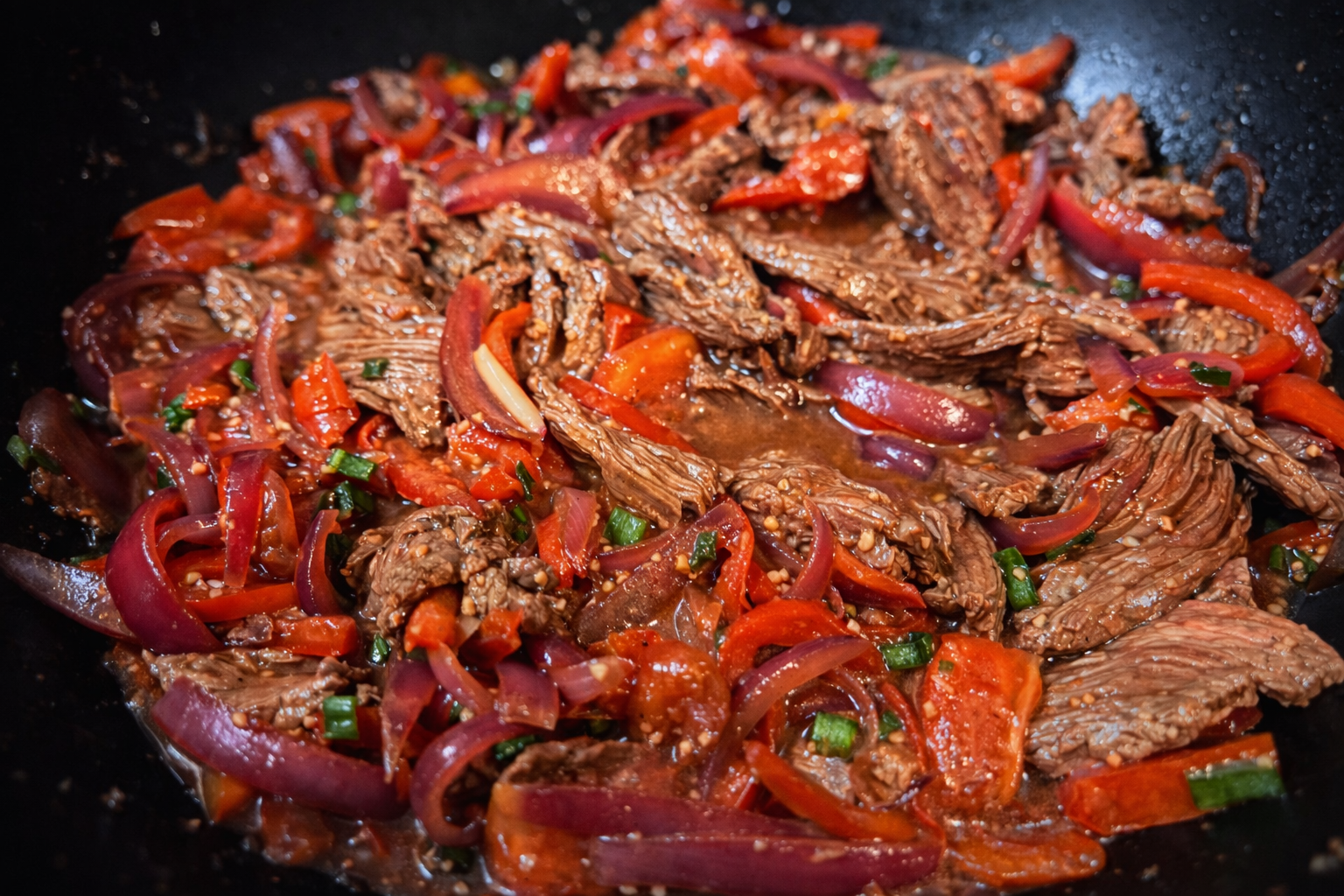
Here, you’re building more dimension. As heat increases, those same compounds continue to break down while natural sugars begin to develop, giving you light golden edges and a balance of sweetness and sharpness. The onions still hold some structure, making this ideal for quick-cooked dishes where they should be present but not dominant. - Caramelizing onions (low and slow, deep brown)
This is where transformation fully takes hold. Over time, sugars concentrate and deepen, and the last of the onion’s sharpness disappears as those earlier compounds fully break down. What’s left is something entirely different—deeply golden, soft, rich, and almost jam-like. This isn’t something you rush—it’s something you commit to.
Each of these approaches creates a completely different result, even though the ingredient is the same. Once you understand how to control that transformation—what’s happening as moisture releases, compounds break down, and sugars develop—you’re not just cooking onions. You’re deciding how the entire dish is going to taste.
Global Foundations
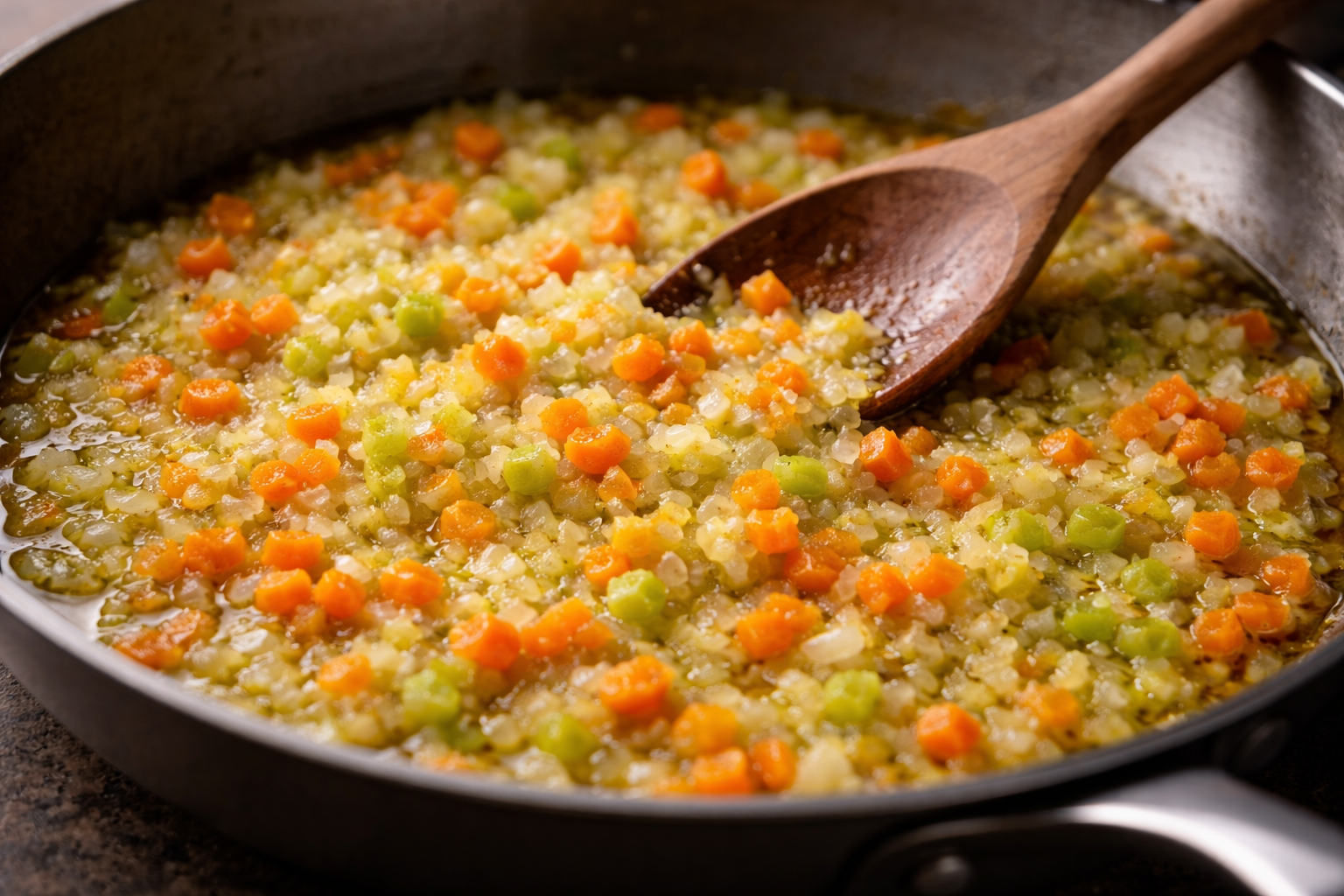
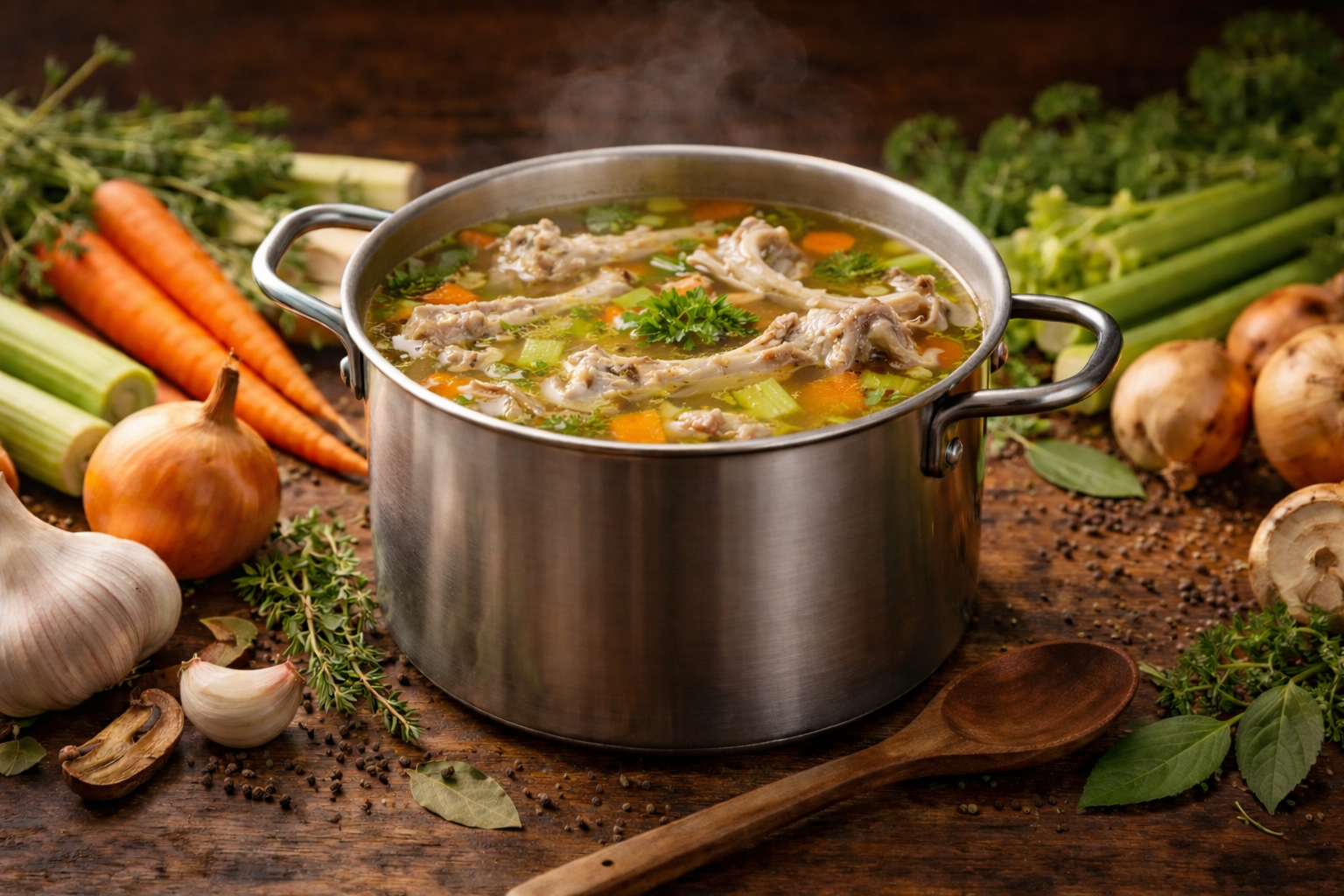
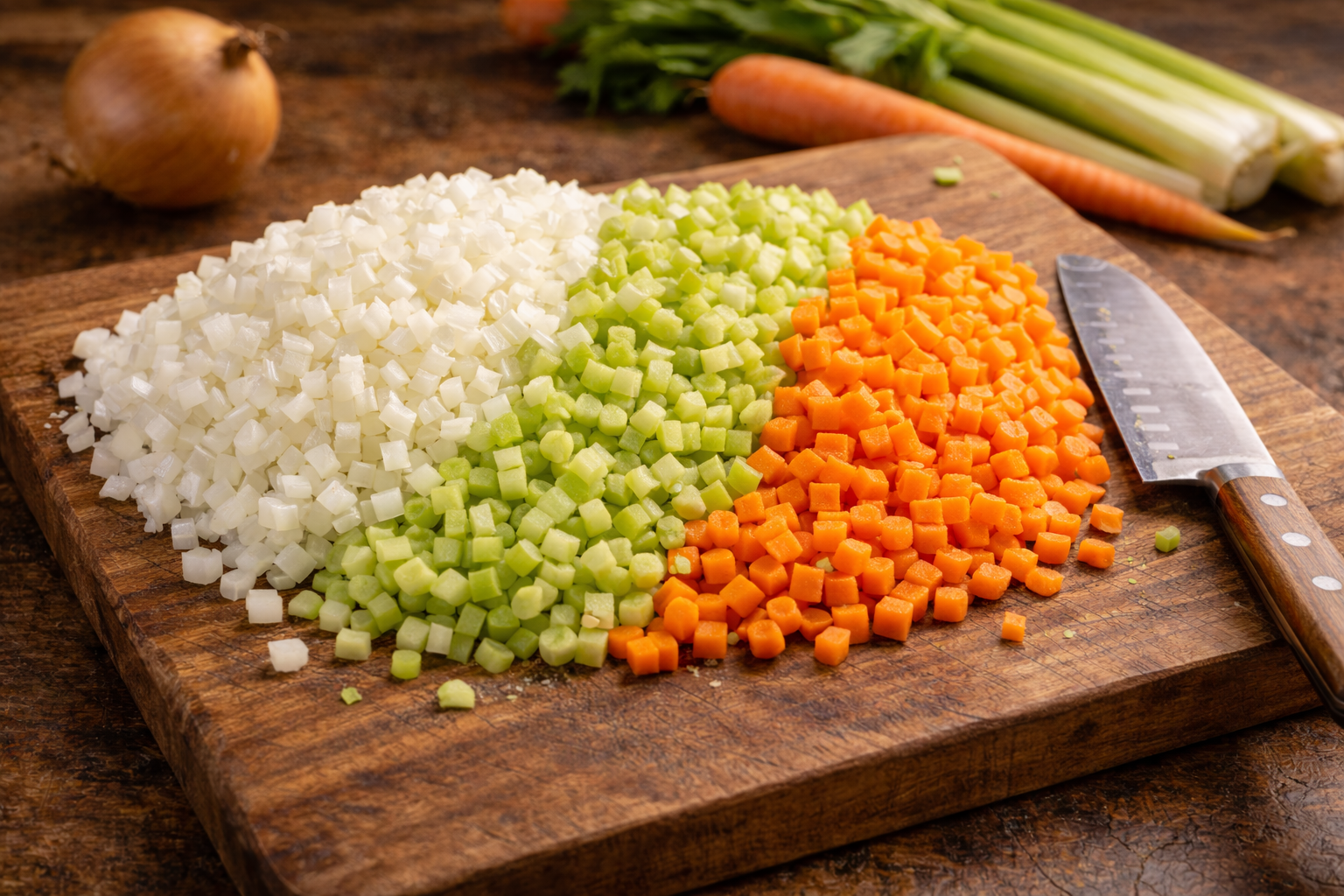
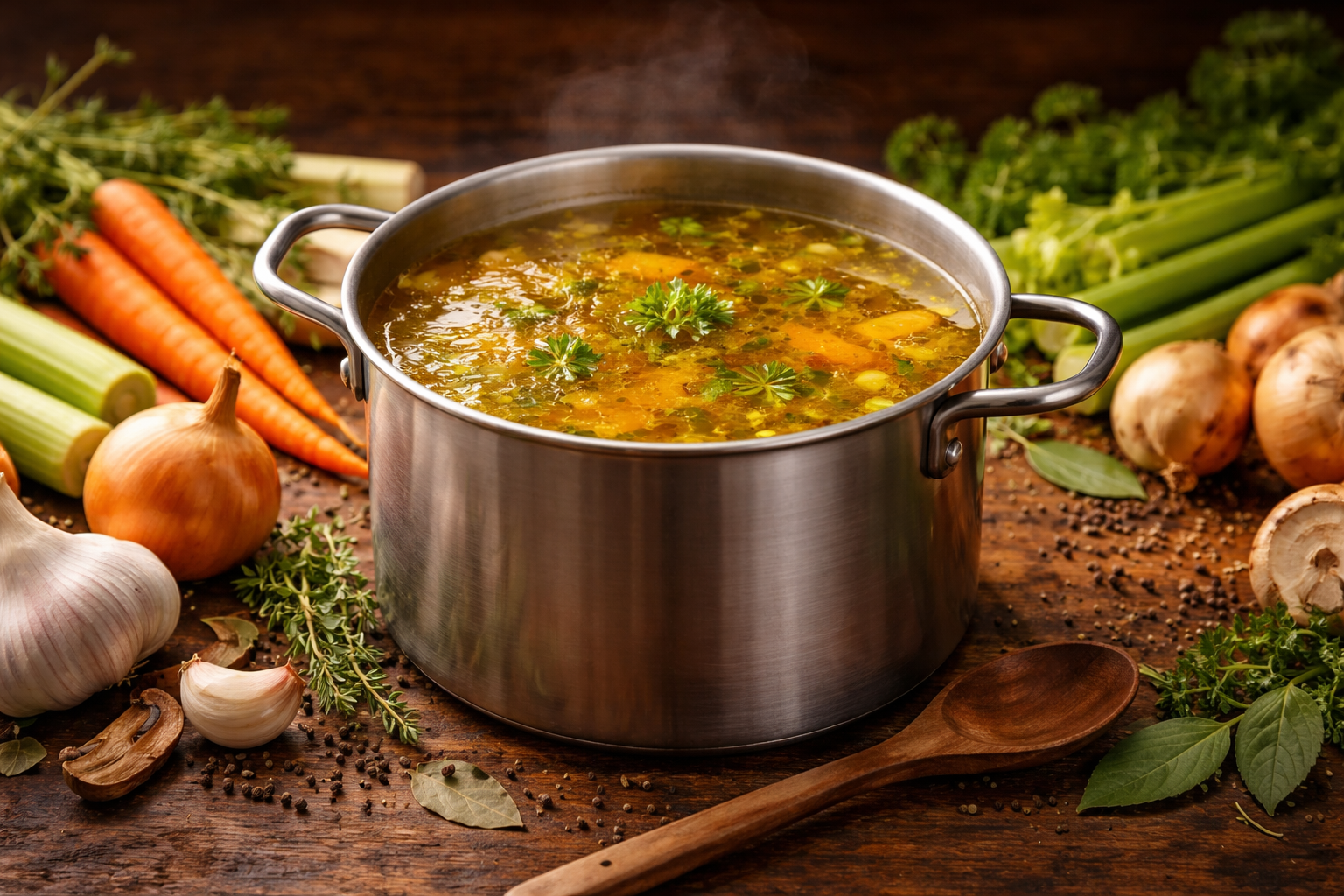
- French and Cajun cooking builds flavor with mirepoix—a mix of onions, carrots, and celery.
- Italian cooking uses a similar base called soffritto.
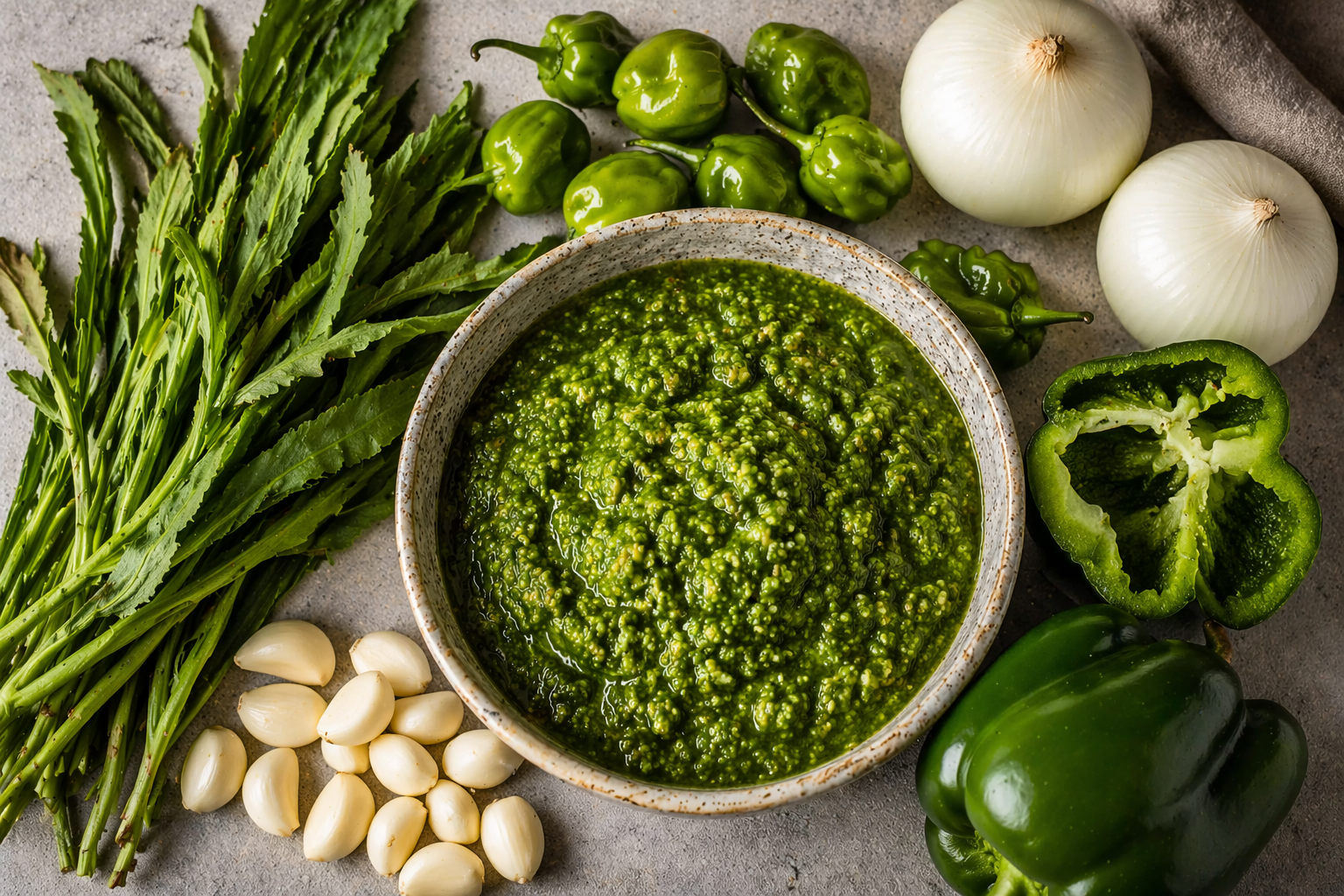
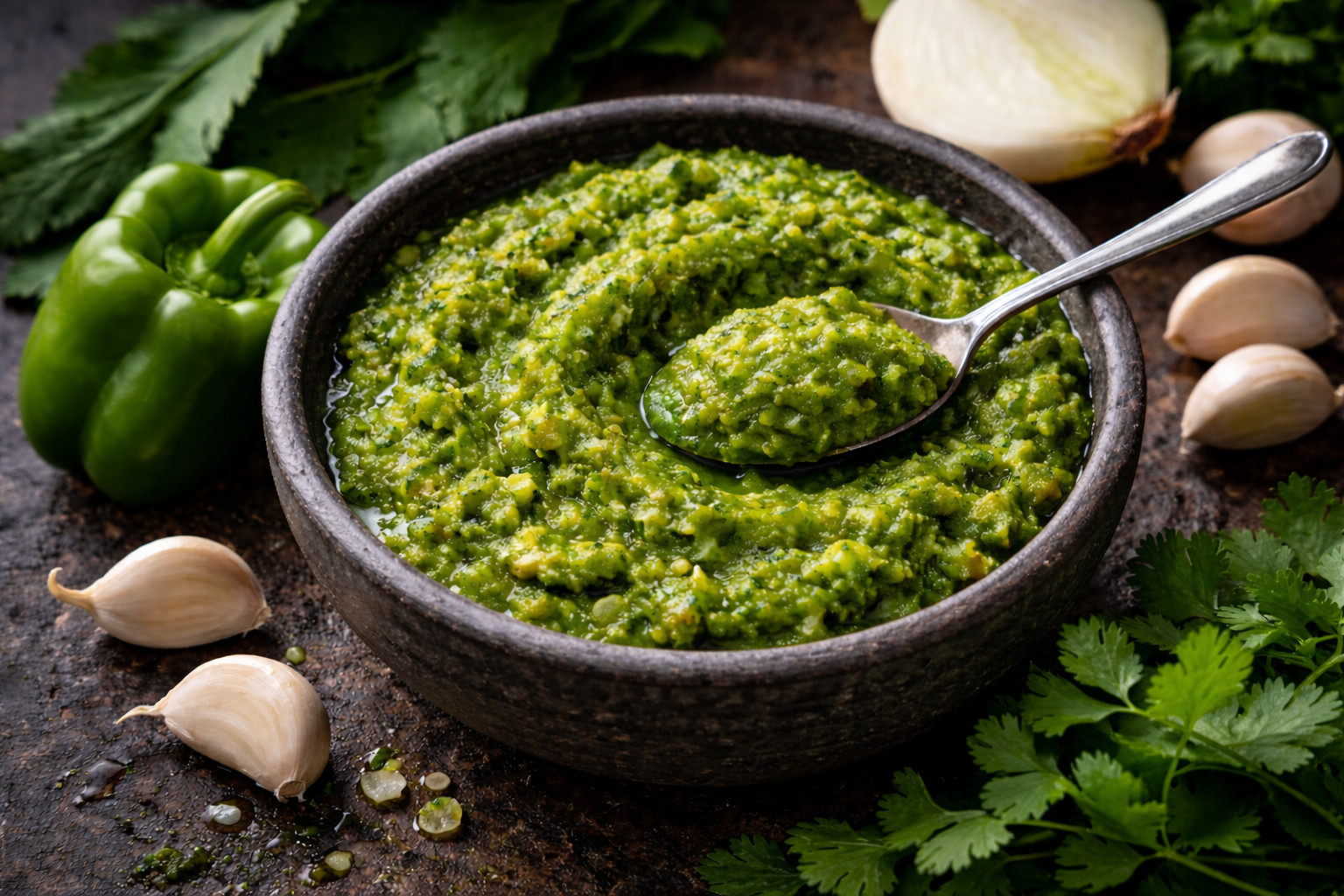
- Spanish and Latin cuisines also rely on sofrito, but their blend is often layered with garlic, green or red peppers, and herbs like culantro and cilantro.
- South Asian cooking frequently starts with onions cooked down into deeply-spiced bases.
- Middle Eastern and North African cuisines use onions as the backbone of stews, rice dishes, and braises.
Final Thoughts
Onions aren’t just another ingredient on a list. They’re the starting point for how a dish is built. They shape sweetness, depth, aroma, and balance. They carry other flavors, bridge ingredients, and give structure to something that would otherwise feel flat or disconnected. That’s why they show up everywhere—not by accident, but because they work. Quietly, consistently, and fundamentally. When you understand onions—how to choose them, cut them, and cook them—you’re not just improving one recipe. You’re improving everything you make.