Carrot

Carrots do more than add color to a plate—they shape how a dish feels. From crisp and slightly sharp when raw to soft, sweet, and rounded when cooked, they shift with technique, bringing both structure and balance along the way.

Understanding how carrots behave—how their sweetness develops, how their texture changes, and how different varieties contribute—gives you control over how they show up in your cooking. Whether they’re building a foundation or finishing a dish, they’re not just an ingredient—they’re part of how everything comes together.
Carrot

Origins

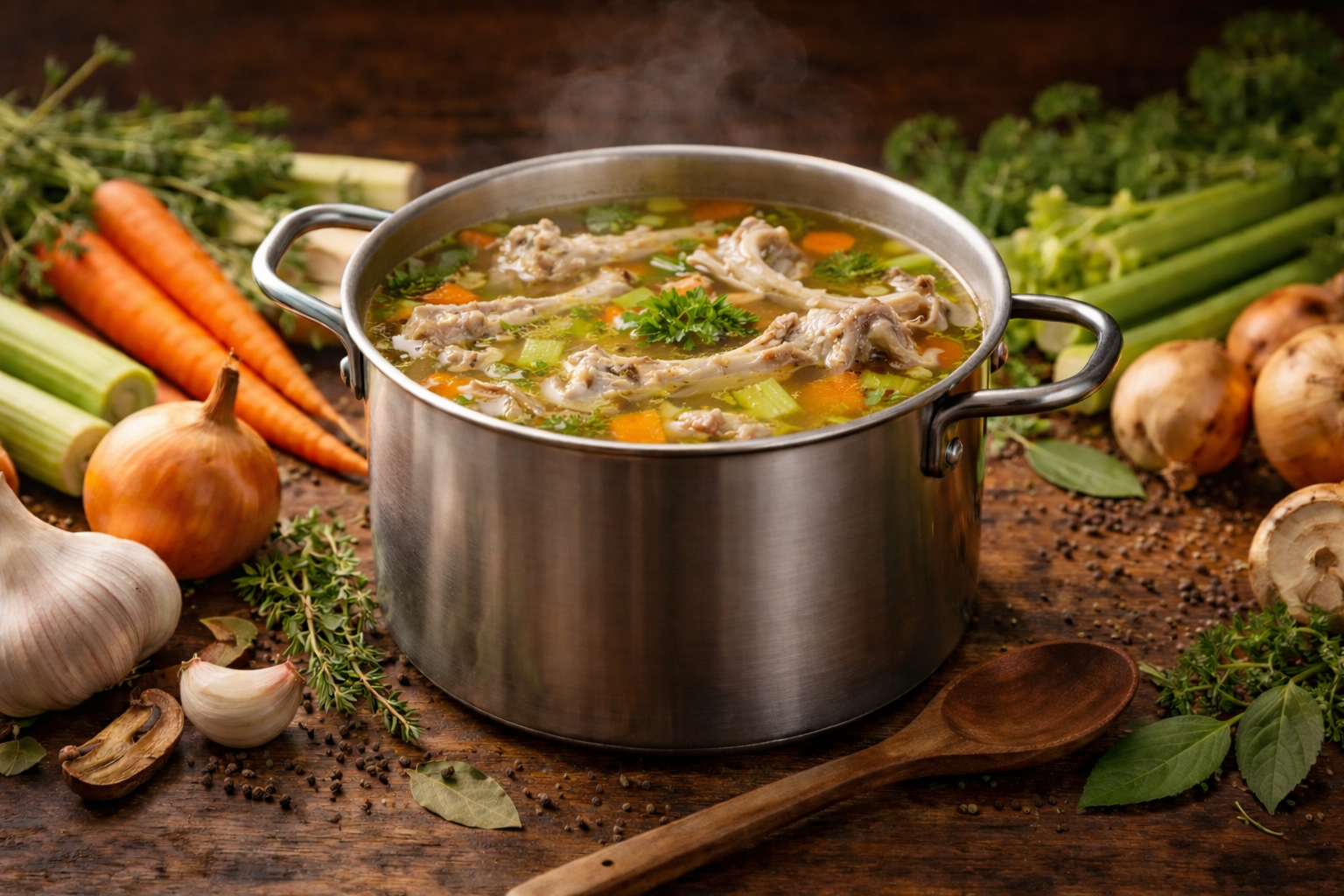
Carrots have been part of the kitchen far longer than their modern orange form suggests. Early varieties were grown in shades of purple, yellow, and white, moving across regions and cuisines as both a staple crop and a practical ingredient that could store well and cook reliably. Over time, they found their way into foundational builds—forming the backbone of broths, stews, and aromatic bases across cultures—valued not for standing out, but for what they quietly bring to everything around them.

What Carrots Bring to a Recipe

Carrots are best known for their beta-carotene content, which the body converts into vitamin A—essential for vision, immune function, and skin health. They also bring fiber, potassium, and a range of antioxidants that support overall health. But in the kitchen, what matters more is how those nutrients show up structurally. Carrots carry water, natural sugars, and a firm cellular structure that holds up to heat. That combination makes them both resilient and reactive—able to soften, sweeten, and integrate without falling apart too quickly.

Carrots bring sweetness—but not in the way sugar does. It’s gradual, built through cooking, and tied to their structure. They also carry moisture. As they cook, they release water slowly, helping to soften and blend surrounding ingredients while contributing to the overall texture of the dish. Raw, they’re crisp, slightly earthy, and mildly sweet. Cooked, that sweetness deepens and rounds out, especially when exposed to dry heat. They add body, balance, and a subtle richness that supports other ingredients without overpowering them.

Carrots don’t build depth the way onions do. They build body and sweetness. They round out harsher edges, soften bitterness, and add a subtle richness that makes a dish feel more complete. When cooked slowly alongside other aromatics, they help create a balanced base—one that isn’t overly sharp or overly heavy. They’re not the lead—they’re part of the foundation.

Types of Carrots — And When to Use Them

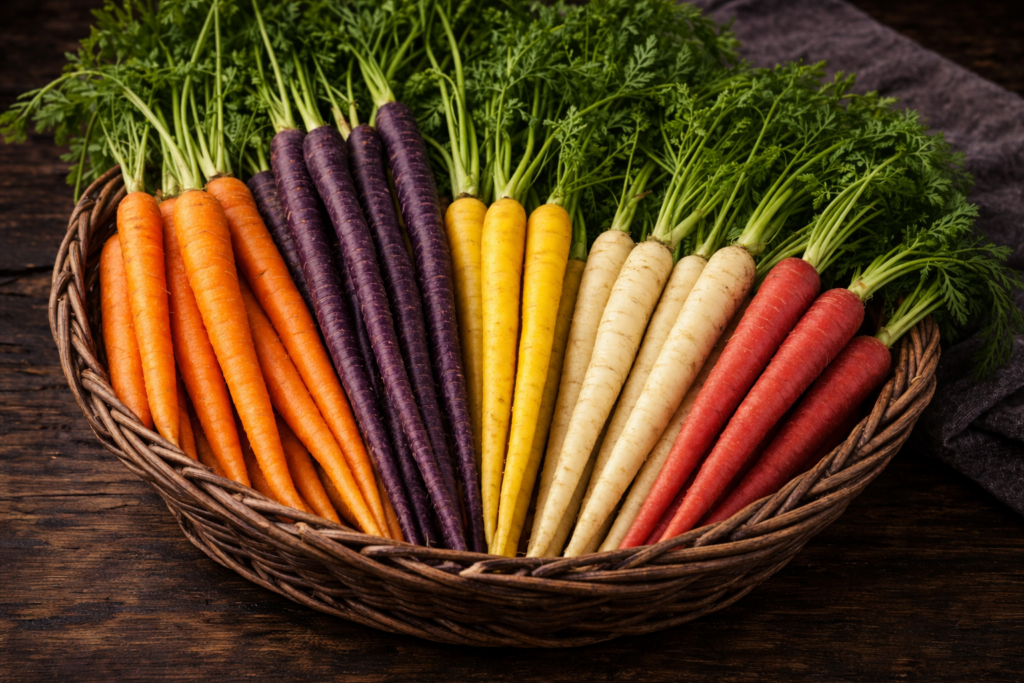
Most people default to orange carrots, but different varieties shift how that sweetness and structure show up. Different colors don’t just change appearance—they shift how carrots behave in the dish.

  • White: The most neutral of the group. They lean more vegetal than sweet, with a slightly herbal edge. Because they don’t bring much sugar, they’re useful when you want structure without shifting the flavor of a dish—stocks, broths, and long savory builds where balance matters more than brightness. They hold their shape well and don’t cloud the profile the way sweeter carrots can. White carrots are less common in modern Western cooking but still appear in regional or traditional preparations where neutrality is preferred.
  • Yellow: The yellow pigment derives from lutein, which is great for eye health. Milder and cleaner than orange carrots, with a softer, less assertive sweetness. They sit comfortably in the background, adding body without pushing a dish toward sweet. They’re especially useful in lighter preparations or when working with delicate flavors where orange carrots might feel too pronounced. Yellow carrots appear more frequently in Middle Eastern, Central Asian, and older European traditions—often closer to their historical roots before orange became standardized.
  • Orange: They get their color from beta-carotene, the precursor to (and what our bodies convert into) Vitamin A. They’re balanced and versatile. They bring both sweetness and structure, making them the default for most cooking applications. The standard for a reason. Orange carrots strike the balance—sweet but not sugary, firm but not rigid. They respond well to nearly every cooking method, from roasting to braising to raw applications. Their sweetness develops predictably with heat, which is why they anchor so many foundational builds across cuisines. They dominate Western cooking—French mirepoix, Italian soffritto, American and British stocks, stews, and roasts.
  • Red: Lycopene, also found in tomatoes, is what gives them their vibrant color. Sweeter and slightly softer, with a tendency to break down more quickly when cooked. They lend themselves to purées, soups, and sauces where a smoother finish is the goal. Their flavor is closer to orange but pushed further—more sugar, less structure. Red carrots show up more in parts of South Asia, particularly in dishes where sweetness is embraced (like carrot halwa).
  • Purple: Anthocyanins, antioxidants linked to heart health, give them their color. More complex, with a mild earthiness beneath the sweetness. Many varieties have orange or yellow cores, but the outer pigment can bleed when cooked, tinting surrounding ingredients. That can be an asset in darker dishes or something to manage in lighter ones. They tend to hold their structure well, making them useful when you want both visual contrast and texture. Like the yellow variety, purple carrots appear more frequently in Middle Eastern, Central Asian, and older European traditional cuisines.

Raw vs. Cooked: A Shift in Role

Raw carrots are firm, crisp, and slightly sharp. The sweetness is there, but it sits underneath the structure. Cooking changes that completely.

  • Dry heat (roasting, sautéing) concentrates that sweetness.
  • Moist heat (boiling, braising) softens and distributes it.

As heat breaks down the cell walls, carrots soften and release their sugars. That sweetness becomes more pronounced, and the texture shifts from crisp to tender. With enough time, they move from structured pieces to something that blends seamlessly into the dish.

Global Foundations

Carrots show up across cuisines in foundational roles. Different techniques, different combinations—but the same role: carrots bring balance, body, and a controlled sweetness.

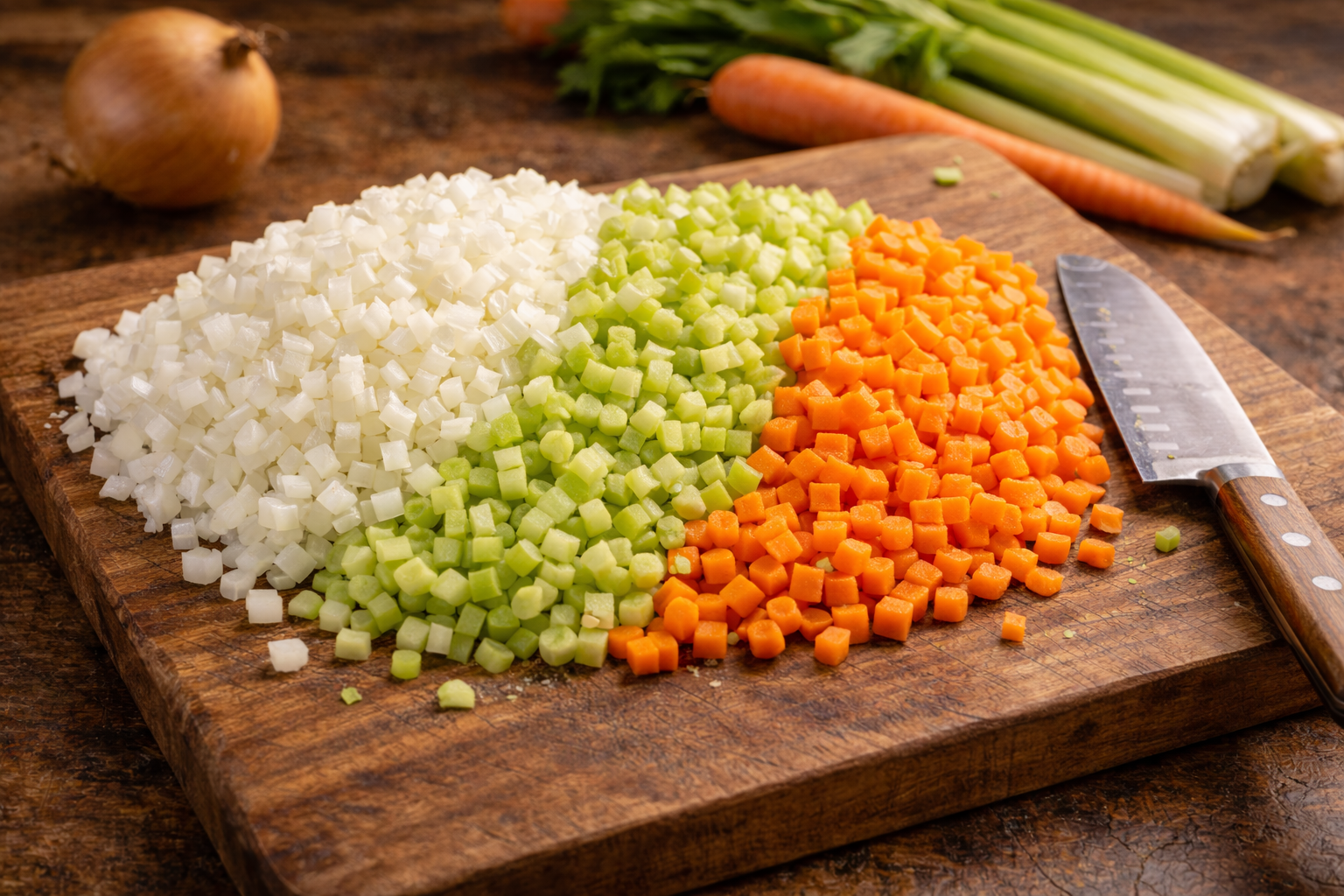
  • French cooking builds with mirepoix—onion, carrot, celery.
  • Italian cooking uses soffritto, often including carrot for balance.
  • Spanish and Latin cuisines incorporate carrot into sofrito variations and stews.
  • Eastern European cooking relies on carrots in soups, braises, and slow-cooked dishes.
  • British cooking uses carrots in stocks, roasts, and hearty vegetable builds.
  • East Asian cooking incorporates carrots into stir-fries and braised dishes, often cut to match the texture of other ingredients.

Digestibility & Practical Use

Cooking carrots makes them easier to digest. As they soften, their fibers break down, making them more accessible both in texture and in how the body processes them. From a practical standpoint, carrots are forgiving. They hold up to long cooking without collapsing too quickly, and they store well, making them a reliable staple to keep on hand. They also transition easily between roles—raw for crunch, cooked for integration, puréed for smoothness.

Final Thoughts

Carrots aren’t there to stand out—they’re there to complete what’s already in the pan. They add sweetness without sugar, structure without heaviness, and balance without drawing attention to themselves. When used well, they don’t announce themselves—they make everything else work better. Understanding how they behave—raw versus cooked, whole versus broken down, sweet versus subtle—gives you control over that balance. And once you have that, you’re not just adding carrots. You’re shaping the dish.
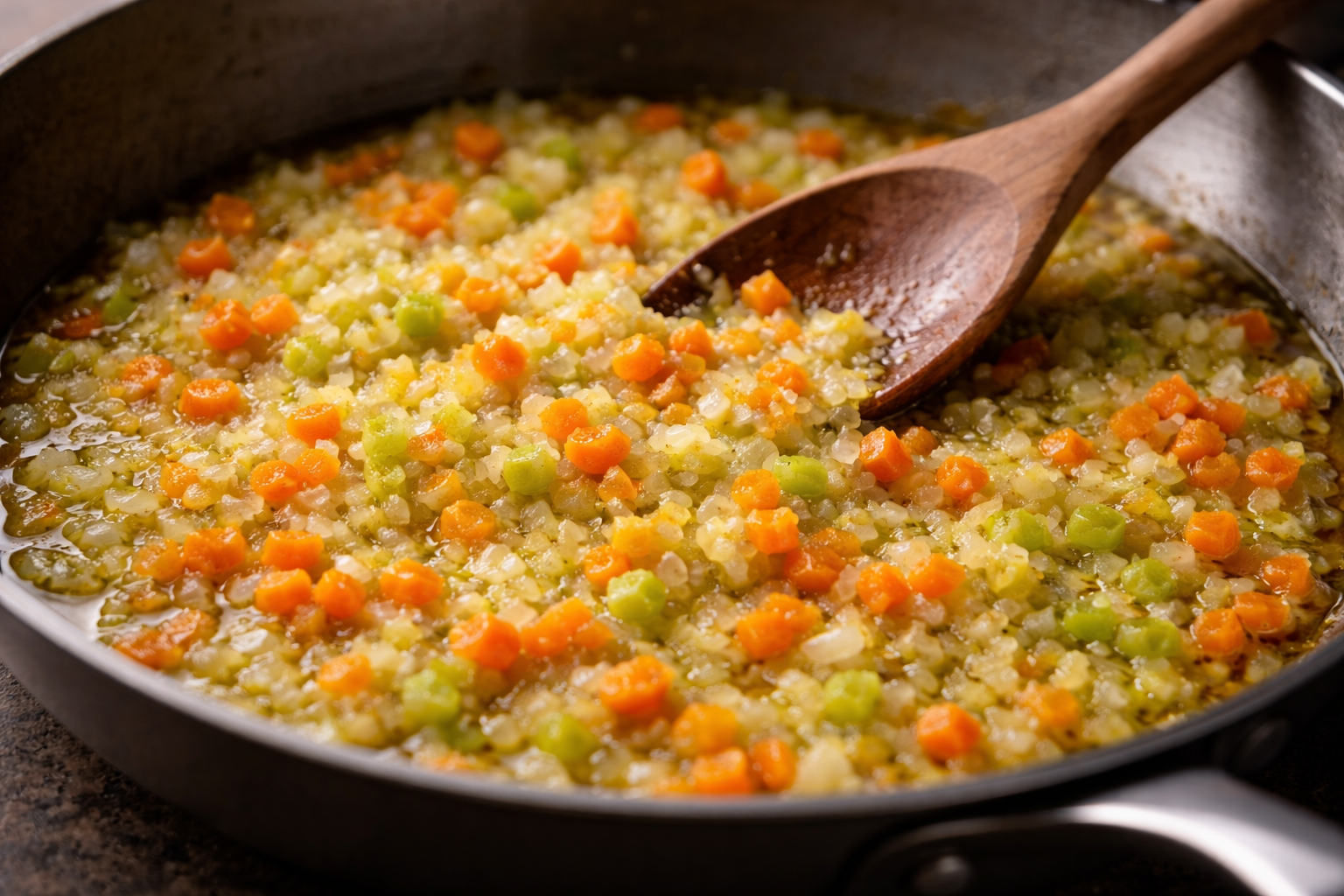
Read my post on the different ways to prep carrots.

Recipes Featuring Carrots

Celery

Celery is defined by what it contributes without overwhelming the dish. Crisp and bright when raw, soft and integrated when cooked, it shifts easily between roles depending on how it’s used. Its subtle bitterness, high water content, and aromatic character give it a unique ability to add structure, freshness, and balance while remaining understated. Whether used as a base, a finishing element, or in more concentrated forms like leaves or seeds, celery brings clarity and control to the overall flavor.

Celery

These Ribs Have Backbone

Celery is rarely the reason you notice a dish—but it’s often the reason it works. It shows up early, cooks down quietly, and supports everything around it without asking for attention. Like onions, it’s foundational. The difference is that celery doesn’t bring sweetness or depth—it brings structure, freshness, and balance. If your food ever feels heavy, flat, or one-note, celery is often the missing piece.

What Celery Actually Brings

Celery is mostly water, but what it contributes goes beyond that. It contains vitamin K, vitamin C, potassium, and small amounts of folate, along with antioxidant compounds like flavonoids. Like onions, nothing here is overwhelming on its own—but celery shows up often enough that it contributes steadily. What matters more is how it behaves. Celery has a clean, slightly bitter, vegetal profile with a subtle aromatic quality. It doesn’t dominate—it lifts. It keeps richer ingredients from feeling heavy and helps bridge flavors that would otherwise sit apart.

Types of Celery — And When to Use Them

Most recipes assume standard celery, but there are a few variations worth understanding once you start paying attention to how it behaves.

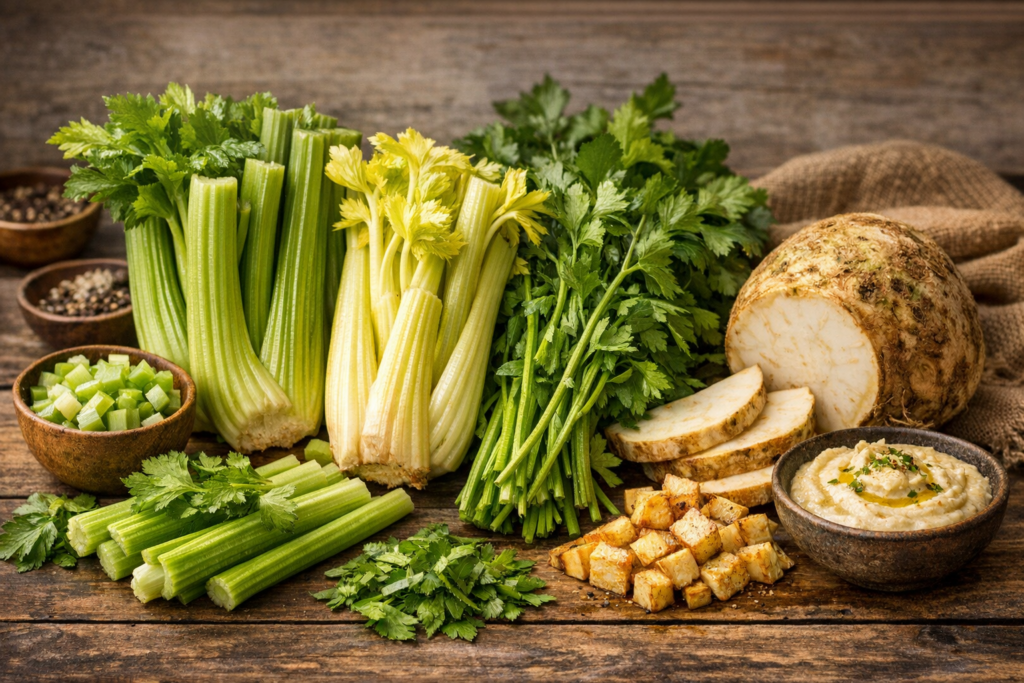
  • Pascal (Standard) Celery: This is what you’ll find in most grocery stores. Crisp, high in water, and mild with a slight bitterness, it works across the board—raw, cooked, or as part of a base. If a recipe just says “celery,” this is what it means.
  • Golden Celery: Paler, more tender, and less fibrous, golden celery has a milder, slightly sweeter flavor. It’s better suited for raw use or lighter cooking where you want the freshness without as much bite or stringiness.
  • Chinese (Leaf) Celery: Thinner, more aromatic, and much more assertive. This is celery that doesn’t sit quietly in the background. It’s used more like an herb in stir-fries, soups, and finishing applications where you want that flavor to stand out.
  • Celeriac (Celery Root): Same plant, different role. The root is dense, earthy, and more substantial, with a deeper, nuttier version of celery’s flavor. It’s suited for roasting, purées, soups, and salads where celery becomes the body of the dish rather than the support.
  • Celery Leaves: Often overlooked, but they shouldn’t be. The leaves carry a more concentrated, slightly bitter, herbaceous celery flavor. Use them like a soft herb—garnish, finish, or fold into salads for a fresh top note.
  • Celery Seeds: Celery seeds are small, potent, and intensely aromatic, carrying a concentrated version of celery’s flavor with a slightly bitter, earthy edge. A little goes a long way. They’re most often used in spice blends, pickling, and dishes where you want celery’s presence without the texture or water content. You’ll find them in coleslaw, potato salad, brines, and cured or preserved foods. They don’t soften or mellow the way fresh celery does—they stay sharp and direct, which makes them useful when you need that flavor to cut through richer or heavier components.

Raw vs. Cooked: A Shift in Role

Raw celery is crisp, bright, and slightly sharp. It adds crunch, freshness, and a clean bite—often used in salads, relishes, or as a finishing element. Cook it, and it changes completely. Heat softens the fibers, reduces the sharpness, and rounds out its bitterness. It becomes quieter, more integrated, and more supportive. It doesn’t disappear—it just stops standing apart. That shift is what makes celery so effective as a base ingredient.

How It Builds Flavor

Celery doesn’t build depth the way onions do. It builds balance. When it’s cooked gently, celery softens and settles into the background, contributing a subtle bitterness and a clean, aromatic note that shapes how the rest of the dish comes across. It acts more like a stabilizer than a driver—guiding the overall profile without calling attention to itself.

That role is most clearly defined in mirepoix, where celery sits alongside onions and carrots as part of a deliberate structure rather than an interchangeable mix. Each ingredient has a purpose, and celery’s is restraint. It keeps the base from drifting too far in any one direction, maintaining clarity and cohesion as the dish develops. Used this way, celery isn’t just present—it’s active, quietly controlling how everything else lands.

Global Foundations

Almost every cuisine has its own way of working celery into a dish.

  • French and Cajun cooking builds flavor with mirepoix—a mix of onions, carrots, and celery.
  • Italian cooking uses a similar base called soffritto, often cooked gently in olive oil to form the foundation of sauces and braises.
  • Spanish and Latin cuisines build with sofrito, where celery is sometimes included or layered in depending on the region, supporting longer-cooked dishes and stews.
  • British and Eastern European cuisines rely on celery in soups, broths, and stews, where it supports long-simmered dishes without standing out.
  • Chinese cooking uses Chinese celery in stir-fries, where it’s cut into short lengths and cooked quickly, staying crisp and aromatic rather than melting into the base.
  • Southeast Asian cooking occasionally uses celery and celery leaves in soups, broths, and herb-driven dishes, adding a fresh, slightly bitter lift at the finish.
  • Middle Eastern and Mediterranean cooking use celery and celeriac in salads, braises, and slow-cooked dishes—celery for structure, celeriac for a deeper, more substantial presence.
  • Classical European cooking (especially French) also leans on celeriac in purées, soups, and remoulade, where celery shifts from background to body.
  • Midwestern American cooking often uses celery seed rather than fresh celery—most notably in coleslaw, potato salad, and as part of the defining flavor of a Chicago-style hot dog. It delivers a concentrated celery note without adding texture or moisture.
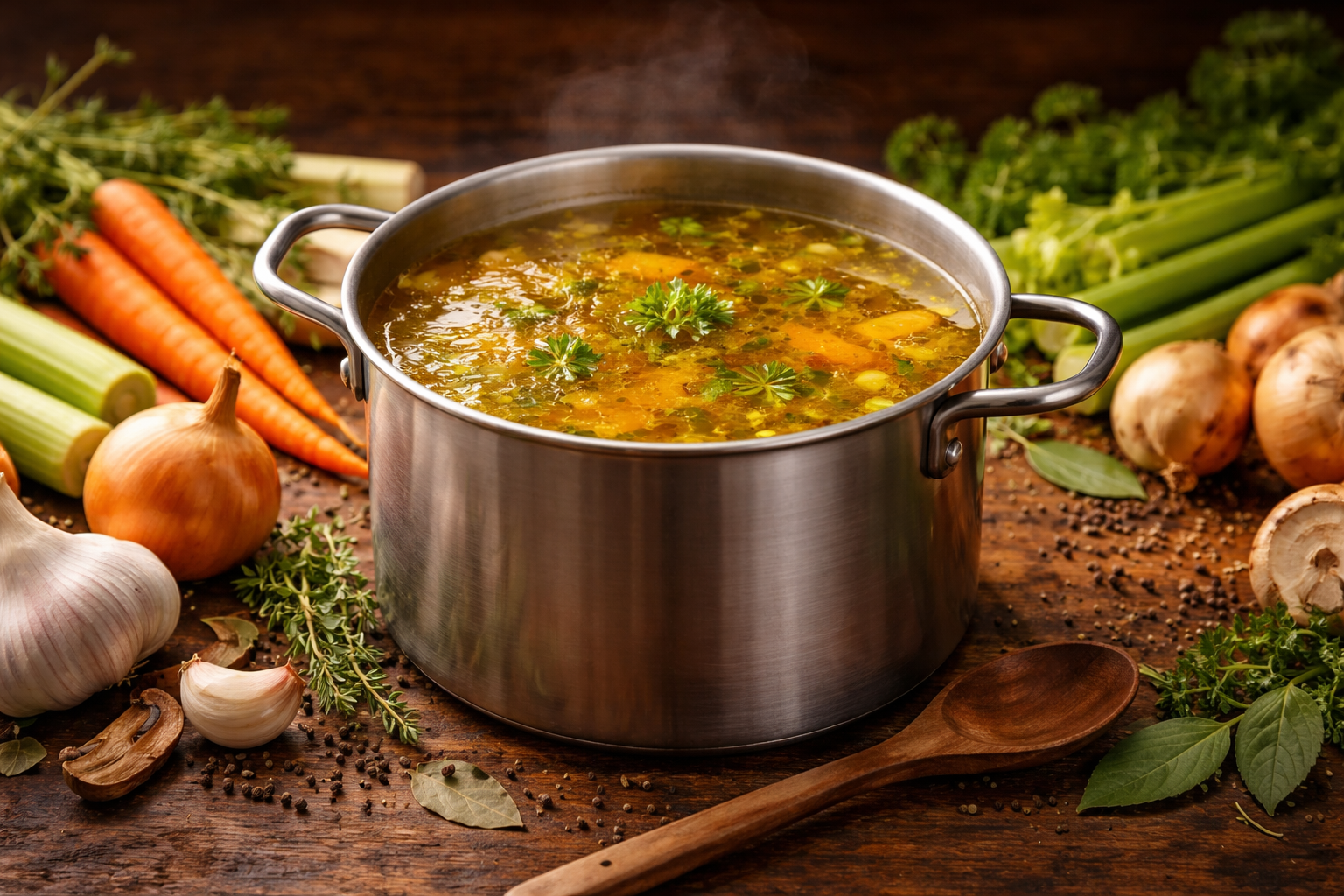
  • Soups, stocks, and broths across cuisines use celery as a structural element, helping define the overall flavor without dominating it.

Different ingredients, different techniques—but the same idea: celery is there to keep everything in balance.

Digestibility & Practical Use

Celery’s high water content makes it light, but its fibrous structure can make it tough if not handled properly. Raw celery can be stringy and harder to chew or digest for some, especially the outer stalks. Cooking softens those fibers and makes it easier to integrate into a dish. Inner stalks tend to be more tender and better suited for raw use, while outer stalks benefit from longer cooking. Like onions, technique determines outcome.

Final Thoughts

Celery isn’t there to impress—it’s there to stabilize. It gives you a way to control direction without adding weight. When a dish starts leaning too far—too sweet, too rich, too soft—celery is one of the few ingredients that can pull it back without introducing something new or completely disruptive to the flavor. It doesn’t compete. It corrects.

That makes it one of the most useful tools you have when building flavor from the ground up. It lets you layer ingredients more aggressively because there’s something in place to keep them from collapsing into each other. It creates separation where things might otherwise blur, keeping a dish defined instead of muddled.

Used intentionally, celery also gives you flexibility. You can push richness further, lean into sweetness more confidently, or build longer, slower flavors without losing clarity along the way. It’s not just balancing what’s there—it’s giving you room to go further without losing control.

Read my post on the different ways to prep celery.

Recipes Featuring Celery

Onion

Onions have been feeding people for thousands of years, long before written recipes existed. They’re one of the earliest cultivated crops, valued not just for their flavor, but for their ability to store well and travel. Ancient civilizations used them as both food and medicine, and they became a staple across cultures because they were reliable, accessible, and endlessly adaptable.

Onion

Layers of Flavor

Understanding onions isn’t just about knowing what they are. It’s about understanding how flavor is built from the very beginning. It’s easy to overlook because it’s always there. There are very few ingredients that show up as consistently—or matter as much—as the onion. It’s in the background of soups, stews, sauces, sautés, braises, and roasts. It’s often the first thing in the pan and rarely the star on the plate, but it’s doing more work than almost anything else in your kitchen. If your food ever feels flat, there’s a good chance the issue isn’t salt or spice—it’s how your onions were handled.

Onions don’t just shape flavor—they carry a quiet layer of nutritional value as well. They’re mostly water, but what’s left includes vitamin C, B6, folate, and potassium, along with antioxidant compounds like quercetin. None of it is overwhelming on its own, but onions show up often enough in cooking that they contribute more than they get credit for. What matters even more is the chemistry behind their flavor—because that’s what determines how they behave in a pan.

Onions also behave very differently depending on how you use them. Raw, they’re sharp, bright, and assertive, driven by sulfur compounds that create their bite. Cook them, and that edge softens as those compounds begin to break down, shifting the onion into something sweeter, rounder, and easier to integrate into a dish. That transition—from raw to cooked—is the foundation of how onions work.

A Brief History

Onions have been feeding people for thousands of years, long before written recipes existed. They’re one of the earliest cultivated crops, valued not just for their flavor, but for their ability to store well, travel easily, and grow in a wide range of climates. Long before refrigeration or modern supply chains, that kind of reliability mattered. Onions could be harvested, dried, and kept for months, making them a dependable source of flavor and sustenance when fresh ingredients were scarce. Ancient civilizations didn’t just cook with onions—they relied on them. They were used as food, as medicine, and even as a form of currency in some cultures. Their layered structure and resilience made them symbolic in certain traditions, but more importantly, they were practical. They could stretch a meal, add depth to simple ingredients, and bring life to otherwise bland staples like grains and legumes. As trade routes expanded and cultures intersected, onions traveled with them. They adapted to new regions, new soils, and new cuisines, becoming deeply embedded in the way people cooked around the world. Whether raw, cooked down, pickled, or dried, onions proved themselves again and again as an ingredient that could shift with context while still doing the same essential job—building flavor. That legacy still holds today. You’ll find onions at the foundation of cuisines across the globe—not because of tradition alone, but because they work. They’re one of the few ingredients that can be both subtle and transformative, capable of supporting a dish quietly or shaping it entirely depending on how they’re used.

Types of Onions — And When to Use Them

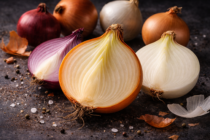
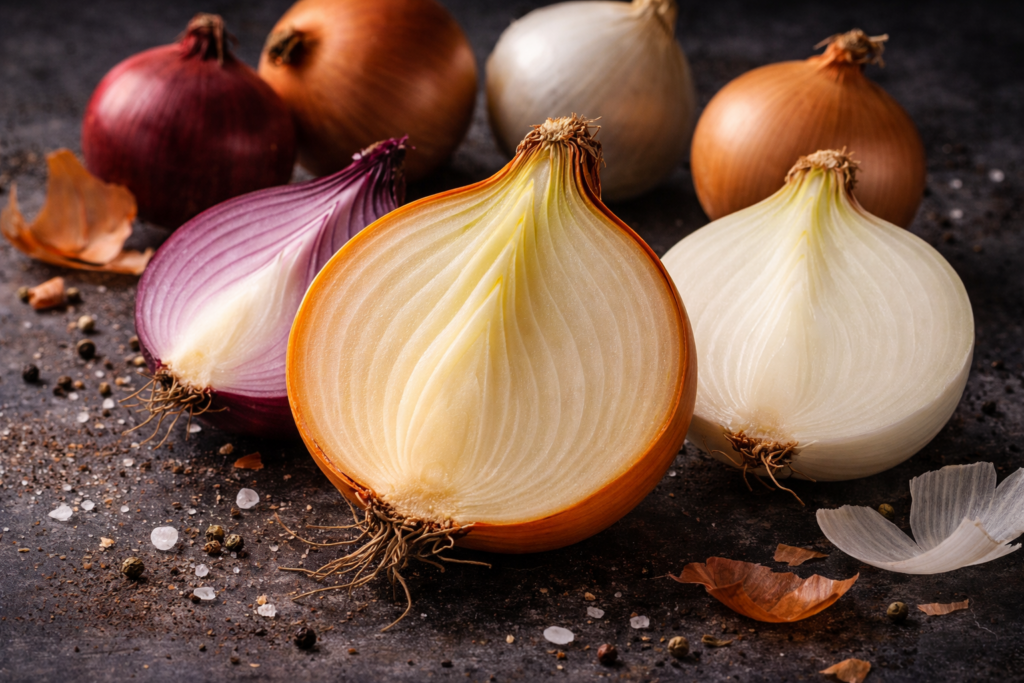
  • Yellow Onions: This is your workhorse. Yellow onions strike the best balance between sweetness and sharpness, which makes them ideal for most cooked applications. They break down well, develop deep flavor over time, and are the backbone of soups, sauces, braises, and anything that starts with a pan. If a recipe just says “onion,” this is usually what it means.
  • White Onions: Cleaner, sharper, and a little more direct. White onions have a more pronounced bite and a slightly lighter flavor than yellow onions. They’re commonly used in Latin American and Southwestern cooking, especially in salsas, raw applications, and quick-cooked dishes where you still want that brightness to come through.
  • Red Onions: Sharper raw, milder when handled properly. Red onions are often used raw—in salads, salsas, and garnishes—because of their color and bite. When treated correctly, they can also be softened or pickled to bring out a more balanced, slightly sweet flavor. They’re not just for color. They’re for contrast.

All(ium) in the Family

Onions are part of a larger family known as alliums—alongside garlic, shallots, leeks, scallions (aka green onions), and chives. What they share is that sharp, pungent bite when raw and the ability to mellow, sweeten, and deepen when cooked. That transformation is driven by the same underlying chemistry—compounds that start out intense and aggressive, then soften and round out with heat.

Each brings its own balance. Garlic is more intense and direct. Shallots are softer and slightly sweet. Leeks are mild and more vegetal. Scallions and chives add freshness and bite, often used toward the end rather than as a base. They’re not interchangeable, but they are closely related. Once you understand onions, the rest of the allium family becomes easier to use—whether you’re building depth at the start or adding brightness at the finish.

How Flavor Develops

What you do with an onion matters just as much—if not more—as which one you choose. If you throw onions into a hot pan and rush the process, you’ll get sharpness, uneven cooking, and often bitterness from partial burning. Onions need time and control. Starting them over lower heat allows them to release moisture gradually while the sulfur compounds responsible for their raw bite begin to break down, softening their edge and setting the stage for sweetness to develop. Heat, timing, and intention change everything. That’s where the depth comes from—not speed, but patience.

There’s also a practical side to this. Raw onions retain more of their sharp compounds and a bit more of their vitamin C, which is why they taste brighter but more aggressive. Cooking trades that sharpness for sweetness and makes the onion easier to integrate—not just in flavor, but in how it sits in the dish.

There’s a difference between:

  • Sweating onions (gentle heat, no browning)
    This is about softening, not coloring. The onions release moisture, turn translucent, and the sharp sulfur compounds mellow without developing much sweetness. You’re not building flavor yet—you’re removing harshness. This is the foundation for soups, sauces, and dishes where you want a clean, subtle base that supports everything else.
  • Sautéing onions (moderate heat, light color)
    Here, you’re building more dimension. As heat increases, those same compounds continue to break down while natural sugars begin to develop, giving you light golden edges and a balance of sweetness and sharpness. The onions still hold some structure, making this ideal for quick-cooked dishes where they should be present but not dominant.
  • Caramelizing onions (low and slow, deep brown)
    This is where transformation fully takes hold. Over time, sugars concentrate and deepen, and the last of the onion’s sharpness disappears as those earlier compounds fully break down. What’s left is something entirely different—deeply golden, soft, rich, and almost jam-like. This isn’t something you rush—it’s something you commit to.

Each of these approaches creates a completely different result, even though the ingredient is the same. Once you understand how to control that transformation—what’s happening as moisture releases, compounds break down, and sugars develop—you’re not just cooking onions. You’re deciding how the entire dish is going to taste.

Global Foundations

Almost every cuisine has its own version of starting with onions.
  • French and Cajun cooking builds flavor with mirepoix—a mix of onions, carrots, and celery.
  • Italian cooking uses a similar base called soffritto.
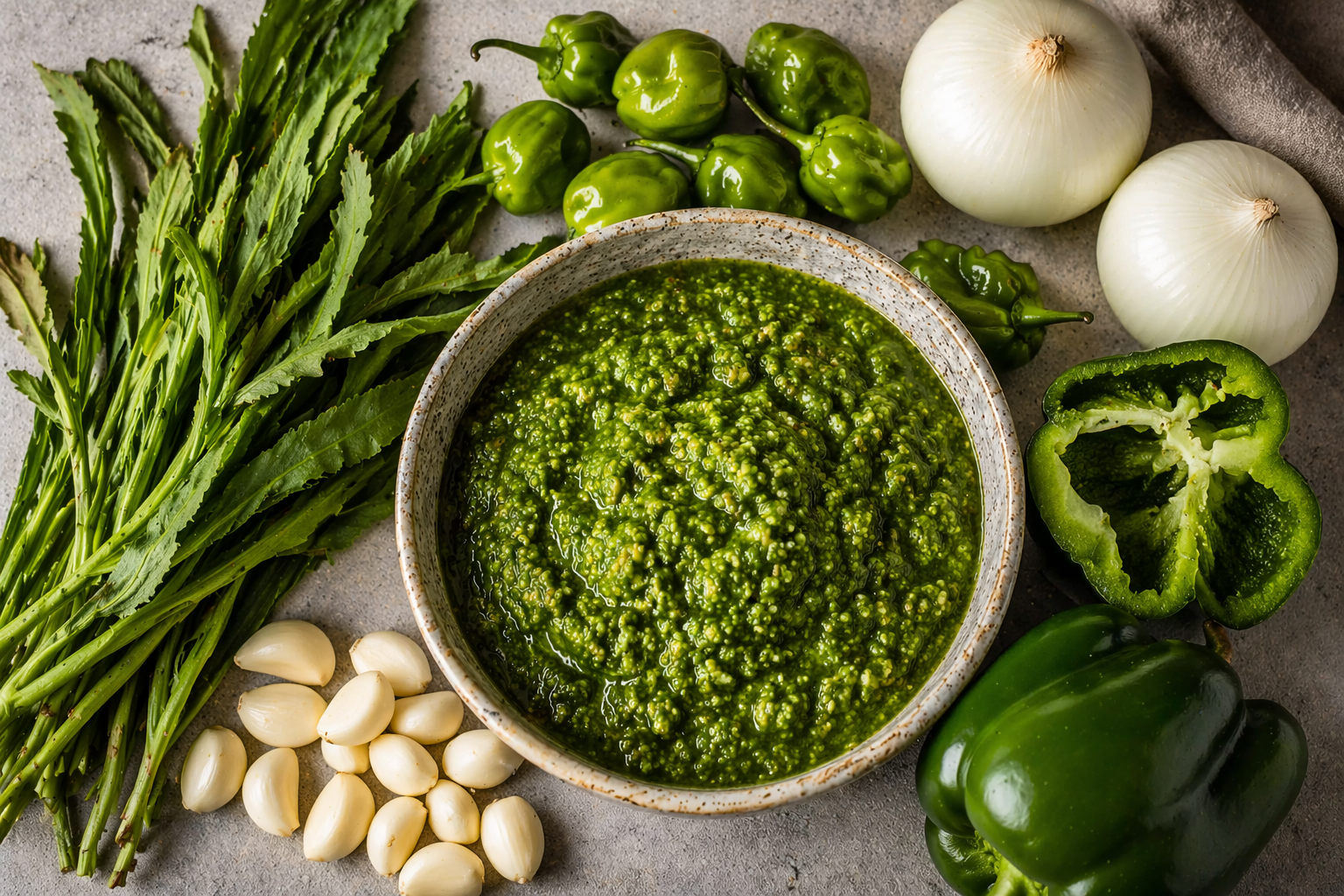
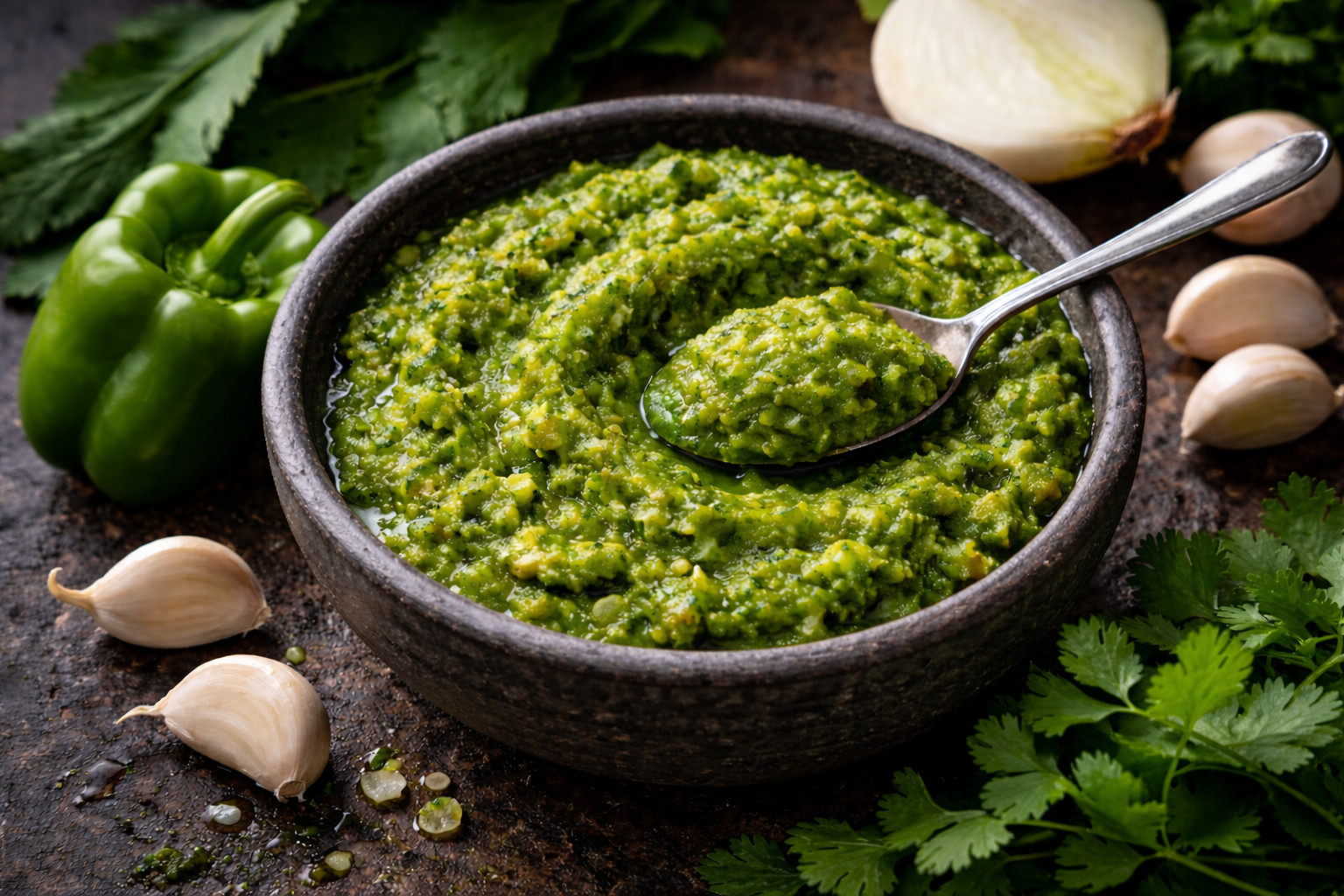
  • Spanish and Latin cuisines also rely on sofrito, but their blend is often layered with garlic, green or red peppers, and herbs like culantro and cilantro.
  • South Asian cooking frequently starts with onions cooked down into deeply-spiced bases.
  • Middle Eastern and North African cuisines use onions as the backbone of stews, rice dishes, and braises.
Different ingredients, different techniques—but the same idea: Onions are where flavor begins.

Final Thoughts

Onions aren’t just another ingredient on a list. They’re the starting point for how a dish is built. They shape sweetness, depth, aroma, and balance. They carry other flavors, bridge ingredients, and give structure to something that would otherwise feel flat or disconnected. That’s why they show up everywhere—not by accident, but because they work. Quietly, consistently, and fundamentally. When you understand onions—how to choose them, cut them, and cook them—you’re not just improving one recipe. You’re improving everything you make.

Read my post on how to perfectly dice an onion.

Recipes Featuring Onions