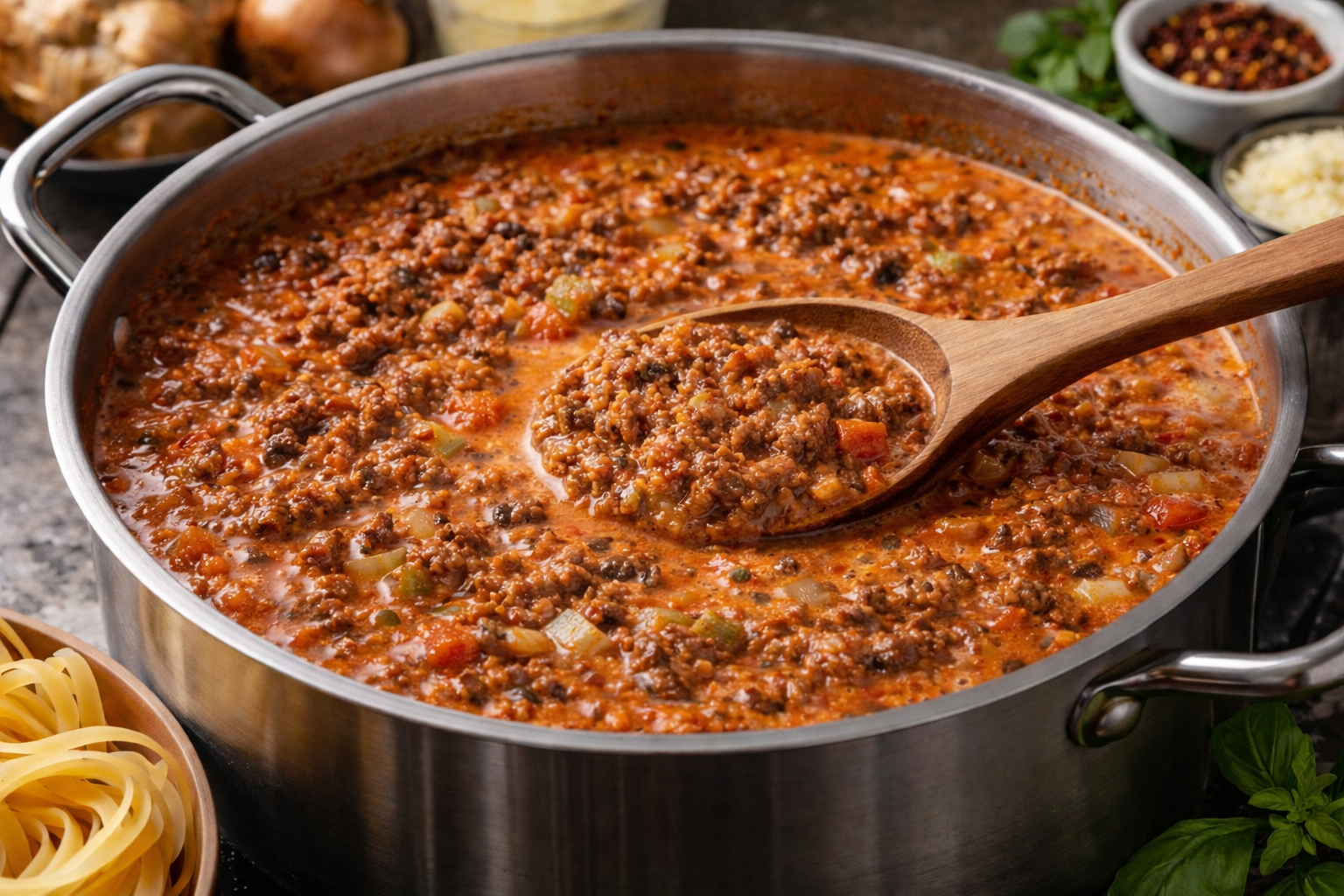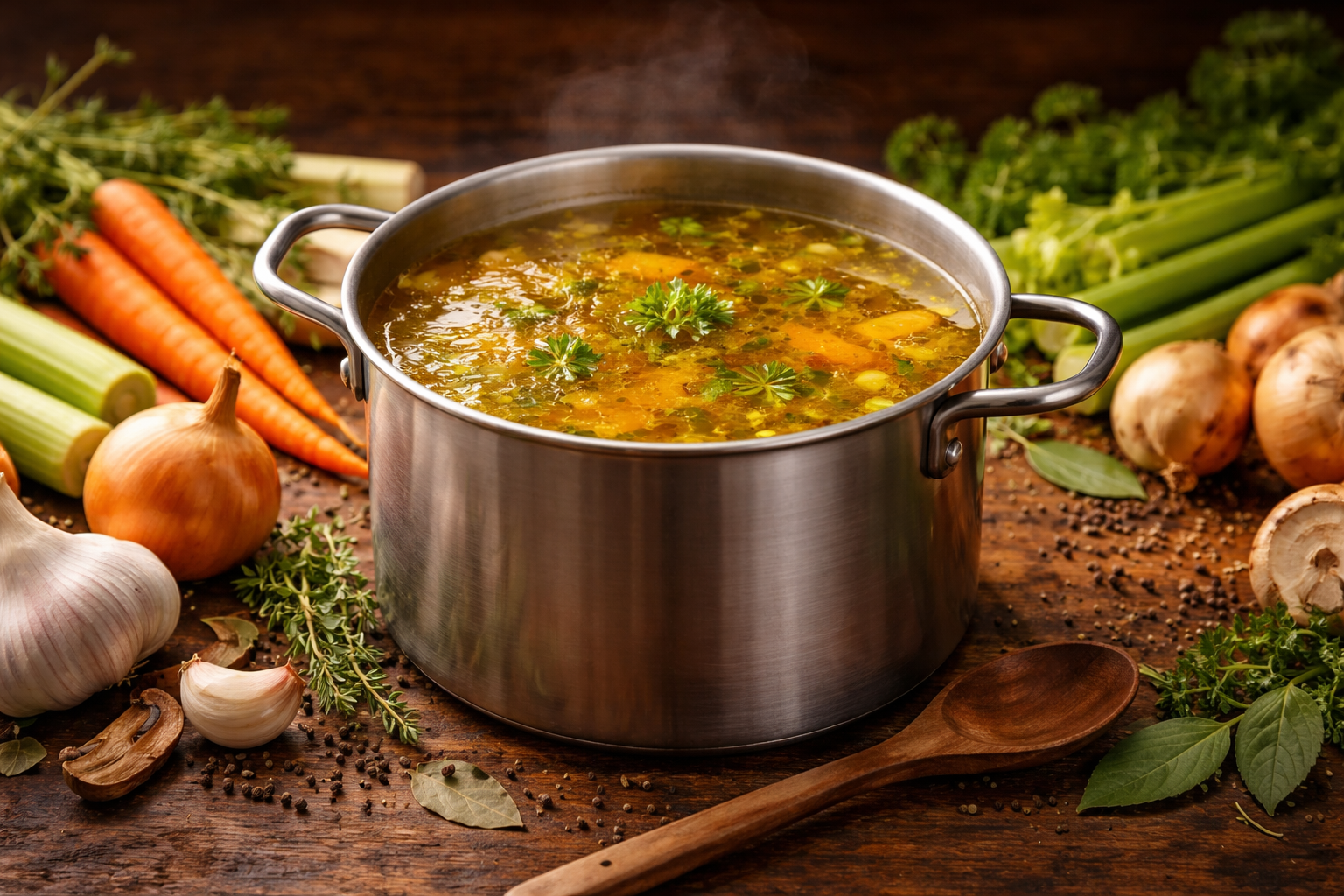
Carrots do more than add color to a plate—they shape how a dish feels. From crisp and slightly sharp when raw to soft, sweet, and rounded when cooked, they shift with technique, bringing both structure and balance along the way.
Understanding how carrots behave—how their sweetness develops, how their texture changes, and how different varieties contribute—gives you control over how they show up in your cooking. Whether they’re building a foundation or finishing a dish, they’re not just an ingredient—they’re part of how everything comes together.
Carrot
Origins
What Carrots Bring to a Recipe
Carrots are best known for their beta-carotene content, which the body converts into vitamin A—essential for vision, immune function, and skin health. They also bring fiber, potassium, and a range of antioxidants that support overall health. But in the kitchen, what matters more is how those nutrients show up structurally. Carrots carry water, natural sugars, and a firm cellular structure that holds up to heat. That combination makes them both resilient and reactive—able to soften, sweeten, and integrate without falling apart too quickly.
Carrots bring sweetness—but not in the way sugar does. It’s gradual, built through cooking, and tied to their structure. They also carry moisture. As they cook, they release water slowly, helping to soften and blend surrounding ingredients while contributing to the overall texture of the dish. Raw, they’re crisp, slightly earthy, and mildly sweet. Cooked, that sweetness deepens and rounds out, especially when exposed to dry heat. They add body, balance, and a subtle richness that supports other ingredients without overpowering them.
Carrots don’t build depth the way onions do. They build body and sweetness. They round out harsher edges, soften bitterness, and add a subtle richness that makes a dish feel more complete. When cooked slowly alongside other aromatics, they help create a balanced base—one that isn’t overly sharp or overly heavy. They’re not the lead—they’re part of the foundation.
Types of Carrots — And When to Use Them
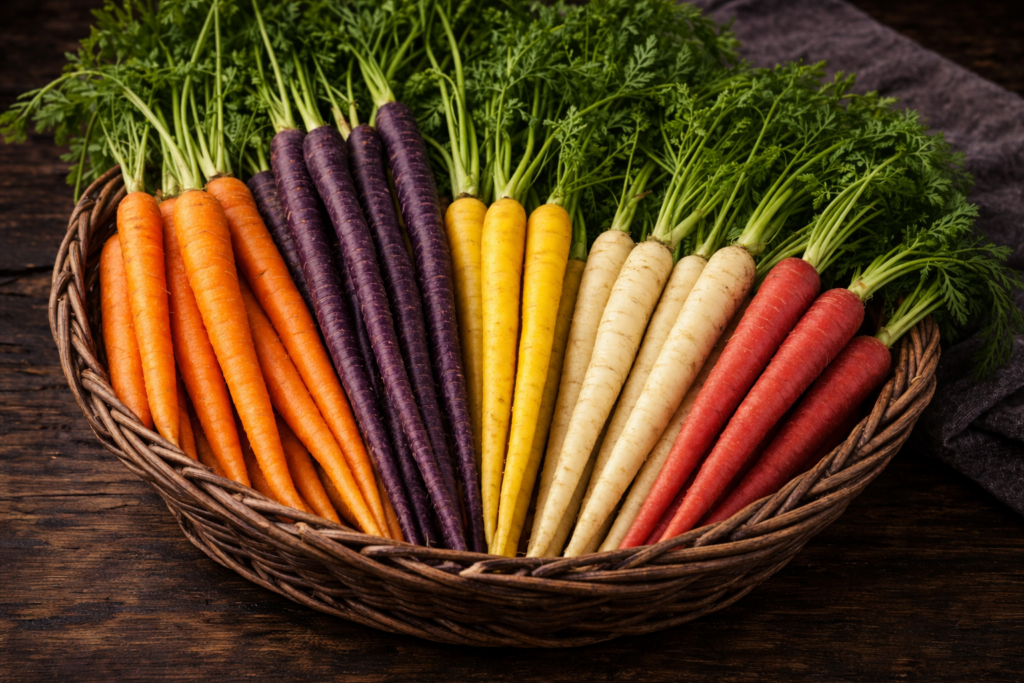
Most people default to orange carrots, but different varieties shift how that sweetness and structure show up. Different colors don’t just change appearance—they shift how carrots behave in the dish.
- White: The most neutral of the group. They lean more vegetal than sweet, with a slightly herbal edge. Because they don’t bring much sugar, they’re useful when you want structure without shifting the flavor of a dish—stocks, broths, and long savory builds where balance matters more than brightness. They hold their shape well and don’t cloud the profile the way sweeter carrots can. White carrots are less common in modern Western cooking but still appear in regional or traditional preparations where neutrality is preferred.
- Yellow: The yellow pigment derives from lutein, which is great for eye health. Milder and cleaner than orange carrots, with a softer, less assertive sweetness. They sit comfortably in the background, adding body without pushing a dish toward sweet. They’re especially useful in lighter preparations or when working with delicate flavors where orange carrots might feel too pronounced. Yellow carrots appear more frequently in Middle Eastern, Central Asian, and older European traditions—often closer to their historical roots before orange became standardized.
- Orange: They get their color from beta-carotene, the precursor to (and what our bodies convert into) Vitamin A. They’re balanced and versatile. They bring both sweetness and structure, making them the default for most cooking applications. The standard for a reason. Orange carrots strike the balance—sweet but not sugary, firm but not rigid. They respond well to nearly every cooking method, from roasting to braising to raw applications. Their sweetness develops predictably with heat, which is why they anchor so many foundational builds across cuisines. They dominate Western cooking—French mirepoix, Italian soffritto, American and British stocks, stews, and roasts.
- Red: Lycopene, also found in tomatoes, is what gives them their vibrant color. Sweeter and slightly softer, with a tendency to break down more quickly when cooked. They lend themselves to purées, soups, and sauces where a smoother finish is the goal. Their flavor is closer to orange but pushed further—more sugar, less structure. Red carrots show up more in parts of South Asia, particularly in dishes where sweetness is embraced (like carrot halwa).
- Purple: Anthocyanins, antioxidants linked to heart health, give them their color. More complex, with a mild earthiness beneath the sweetness. Many varieties have orange or yellow cores, but the outer pigment can bleed when cooked, tinting surrounding ingredients. That can be an asset in darker dishes or something to manage in lighter ones. They tend to hold their structure well, making them useful when you want both visual contrast and texture. Like the yellow variety, purple carrots appear more frequently in Middle Eastern, Central Asian, and older European traditional cuisines.
Raw vs. Cooked: A Shift in Role
Raw carrots are firm, crisp, and slightly sharp. The sweetness is there, but it sits underneath the structure. Cooking changes that completely.
- Dry heat (roasting, sautéing) concentrates that sweetness.
- Moist heat (boiling, braising) softens and distributes it.
As heat breaks down the cell walls, carrots soften and release their sugars. That sweetness becomes more pronounced, and the texture shifts from crisp to tender. With enough time, they move from structured pieces to something that blends seamlessly into the dish.
Global Foundations
Carrots show up across cuisines in foundational roles. Different techniques, different combinations—but the same role: carrots bring balance, body, and a controlled sweetness.
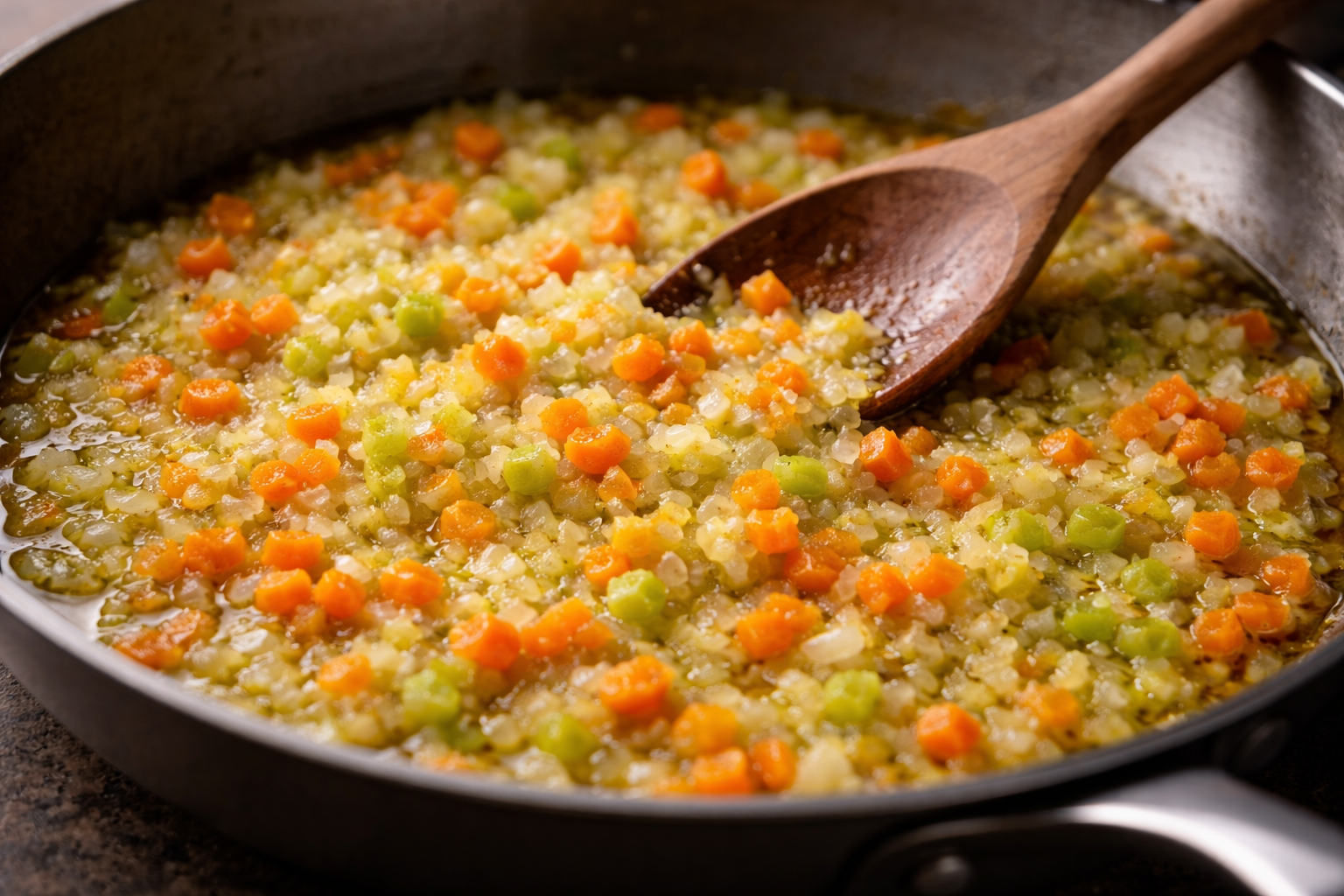
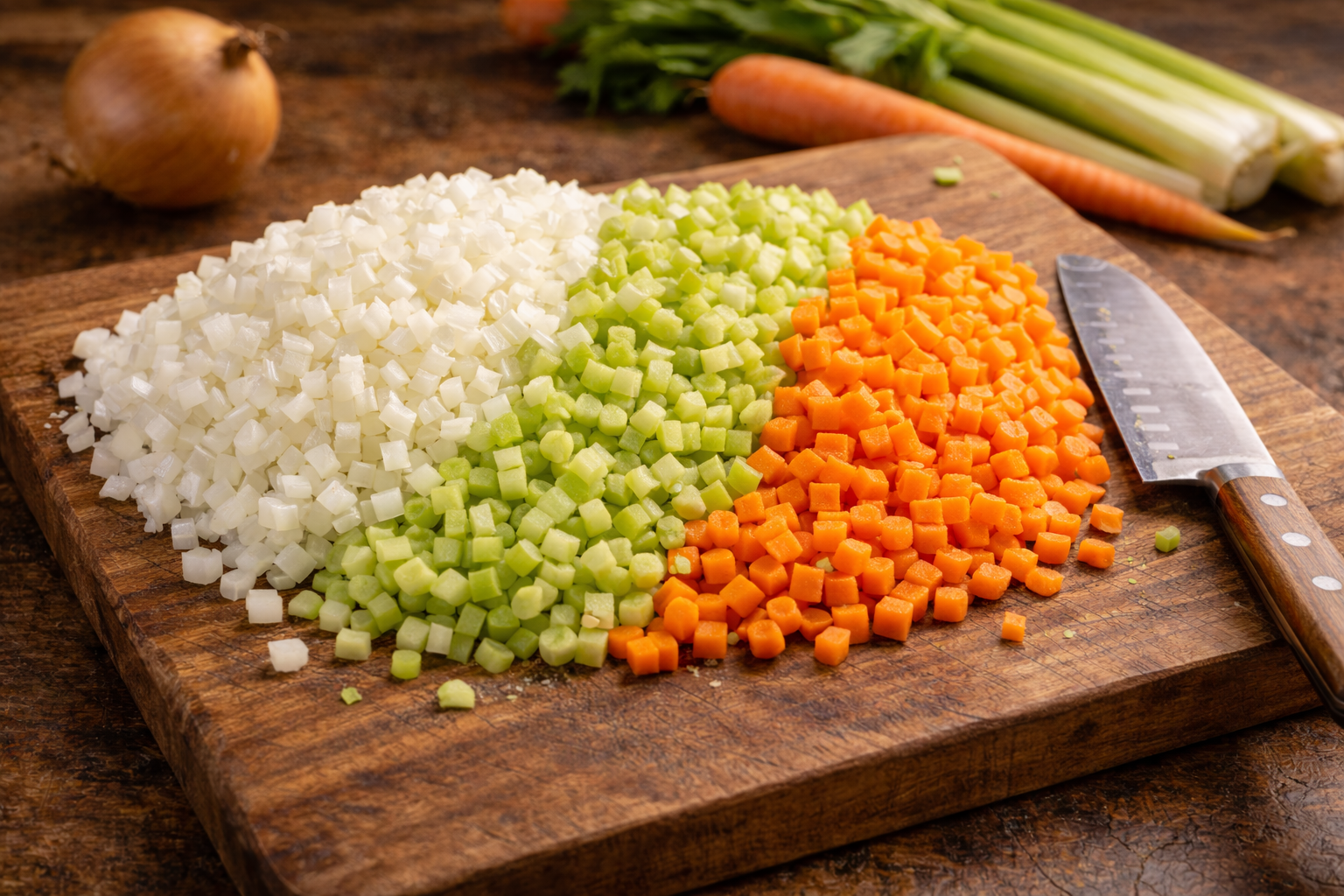
- French cooking builds with mirepoix—onion, carrot, celery.
- Italian cooking uses soffritto, often including carrot for balance.
- Spanish and Latin cuisines incorporate carrot into sofrito variations and stews.
- Eastern European cooking relies on carrots in soups, braises, and slow-cooked dishes.
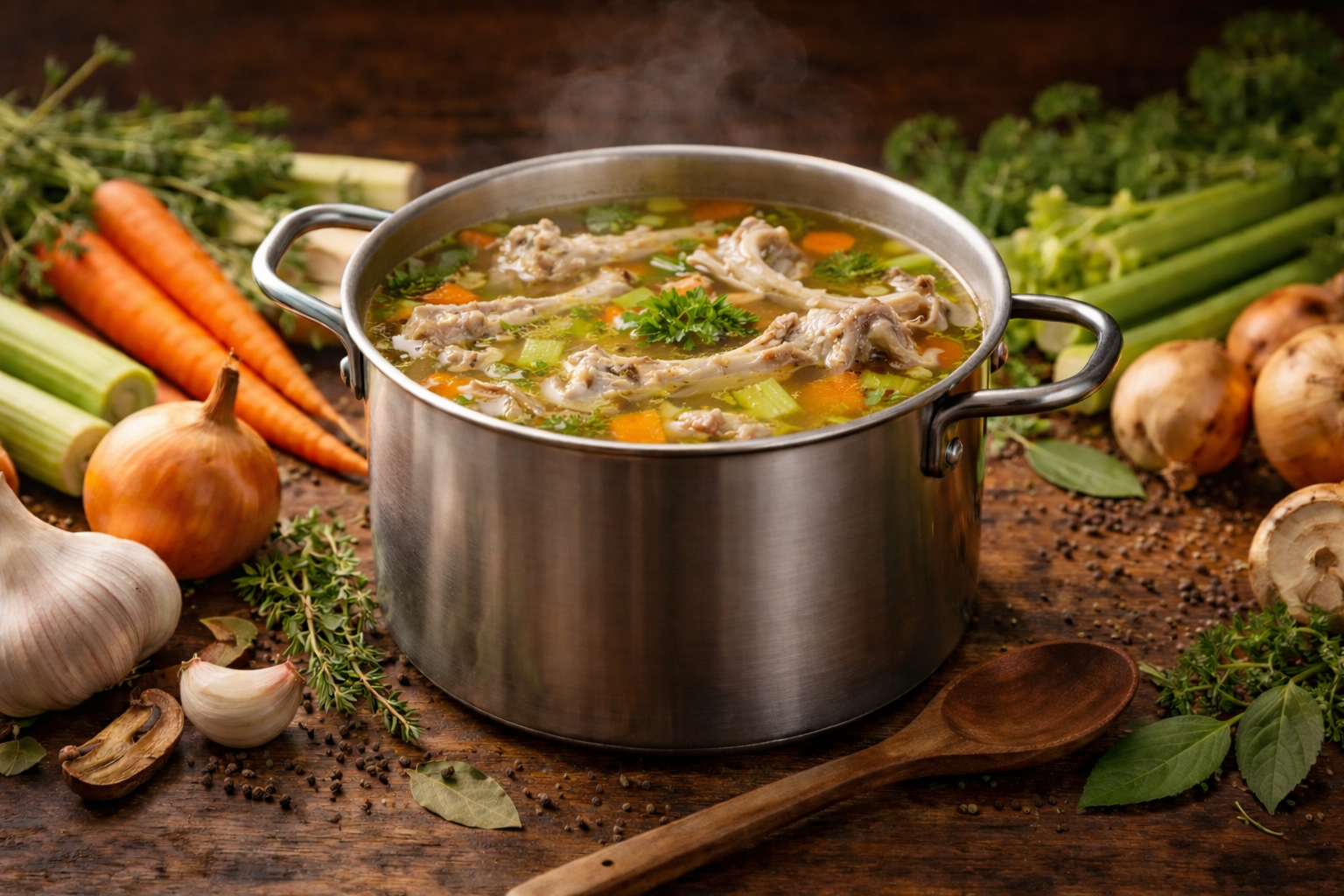
- British cooking uses carrots in stocks, roasts, and hearty vegetable builds.
- East Asian cooking incorporates carrots into stir-fries and braised dishes, often cut to match the texture of other ingredients.
Digestibility & Practical Use
Cooking carrots makes them easier to digest. As they soften, their fibers break down, making them more accessible both in texture and in how the body processes them. From a practical standpoint, carrots are forgiving. They hold up to long cooking without collapsing too quickly, and they store well, making them a reliable staple to keep on hand. They also transition easily between roles—raw for crunch, cooked for integration, puréed for smoothness.
Final Thoughts
Carrots aren’t there to stand out—they’re there to complete what’s already in the pan. They add sweetness without sugar, structure without heaviness, and balance without drawing attention to themselves. When used well, they don’t announce themselves—they make everything else work better. Understanding how they behave—raw versus cooked, whole versus broken down, sweet versus subtle—gives you control over that balance. And once you have that, you’re not just adding carrots. You’re shaping the dish.