Ass on Fire

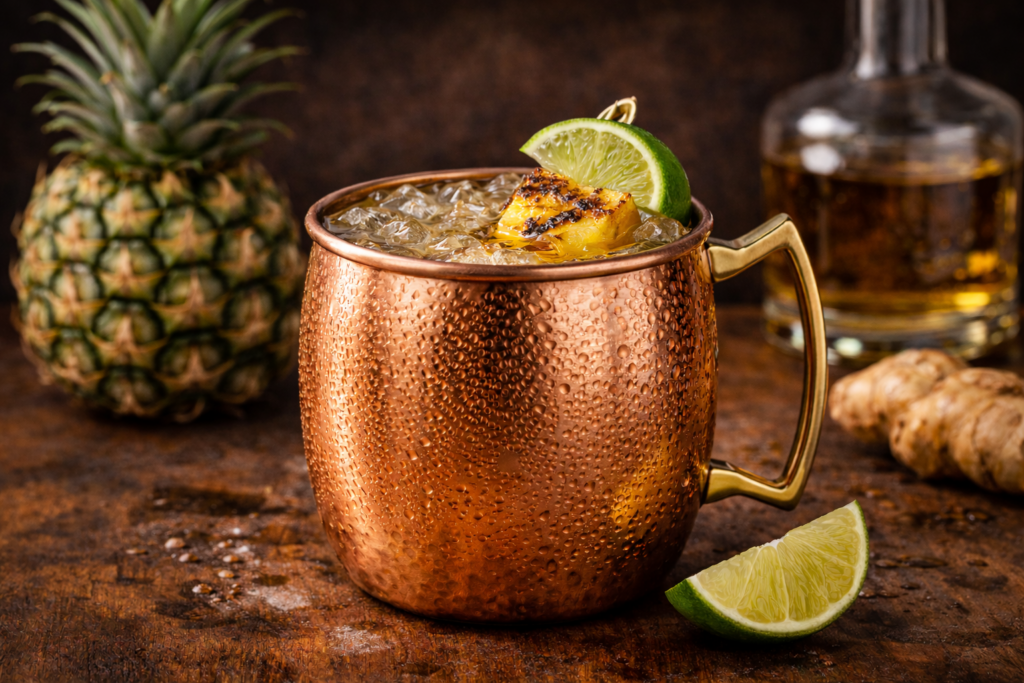
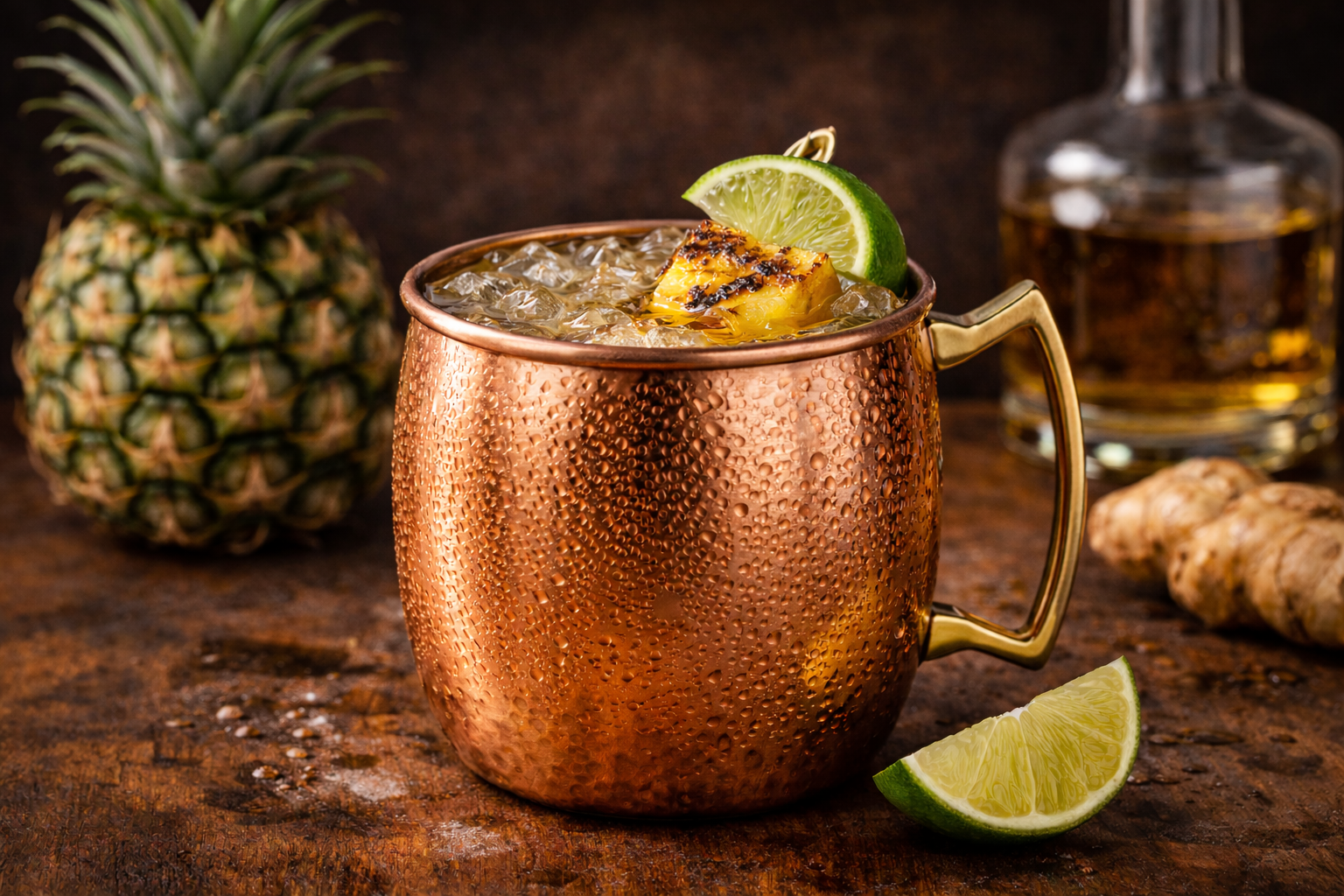
A mule with a tropical edge, Ass on Fire leans on ginger beer to lift the pineapple, lime, and reposado tequila into a bright, balanced build. Coconut water keeps it smooth, while the habanero heat lands right where the name suggests.
Ass on Fire

Etymology Meets Mixology

This drink didn’t start out called Ass on Fire. Its original name during the concept build was Burro en Fuego—a nod to the mule format, the Mexican influence in the tequila and habanero, and the heat coming from the Piña de Fuego syrup. It worked. It was clever, a little restrained, and very much in line with everything else.

At some point, it became clear that the literal translation—Ass on Fire—wasn’t just more accurate, it was better. More direct, more memorable, and honestly, more aligned with how the drink actually lands. So it stayed. Because if you’re going to build something around pineapple and habanero, there’s no reason to pretend it’s anything else.

The Structure

At its core, this is a mule derivative, but one that’s been reworked with a bit more intention. The familiar structure is still there—spirit, citrus, sweetness, and lift—but the roles are more clearly defined. Pineapple carries the body, lime keeps it tight, ginger beer provides both spice and effervescence, and the heat is integrated rather than sitting on top. What changes is how those pieces interact. Instead of competing, they move in sequence, each one supporting the next.

Why Reposado Tequila

Reposado does the work that a neutral base never could here. The light oak and soft agave sweetness give the drink a center, something to anchor the brighter elements without pulling them down. It allows the pineapple to feel fuller and the ginger to sit more naturally, while keeping the heat from coming across as sharp or aggressive. A blanco would push everything forward—brighter, greener, more angular—but at the cost of balance. Reposado keeps it composed.

Coconut, Used Properly

Coconut shows up here in the smallest way possible, and that’s exactly why it works. Instead of adding sweetness or pushing the drink further into tropical territory, the coconut water softens the edges just enough to keep everything from feeling rigid. It doesn’t read as coconut-forward; it reads as smooth. More about texture than flavor, and more about restraint than expression.

Choosing the Right Ginger Beer

This is the piece that makes or breaks the drink. A good ginger beer should be spicy, bright, and just dry enough to keep the finish clean. Too sweet, and the entire structure softens. Too aggressive, and it overwhelms the pineapple and heat. What you’re looking for is something with real ginger bite and moderate carbonation—enough to lift the drink and carry the heat, but not so much that it takes over.

For this cocktail, I recommend one with medium spice so it doesn’t compete with the habanero and lower on the sweetness profile so it doesn’t compete with the pineapple. The recipe below calls for Q Mixers Ginger Beer for this very reason, but you can substitute with your favorite as long as it follows the rules I just mentioned: not too spicy, not too sweet. Want some guidance? Read my post on Choosing the Best Ginger Beer for your cocktail.

Final Thought

The first impression is bright—lime and pineapple landing cleanly without excess sweetness. As it settles, the reposado gives the drink its shape, rounding the mid-palate without adding weight. The ginger beer lifts everything through the center, spreading the heat so it builds gradually instead of spiking. By the time it finishes, the warmth is there, but controlled—lingering just long enough to feel intentional.

This is what happens when you take a mule and give it a bit more thought. The structure is familiar, but the balance is tighter, the ingredients are more deliberate, and nothing is doing more than it needs to. And the name tells you exactly what to expect.

The recipe card below breaks everything down. Keep your proportions clean, choose a ginger beer with a balanced bite—enough spice to lift the drink without overpowering it—and let the pineapple and habanero carry through on their own.

Ass on Fire

A mule with a tropical edge, Ass on Fire leans on ginger beer to lift the pineapple, lime, and reposado tequila into a bright, balanced build. Coconut water keeps it smooth, while the habanero heat lands right where the name suggests.
Print Pin
Category: THIRST
Cuisine: Global, Mexican
Course: Drinks
Keyword: Coconut Water, Ginger Beer, Habanero, Lime Juice, Mule, Pineapple, Reposado
Prep: 3 minutes
Total: 3 minutes
Servings: 1 drink
Calories: 325kcal
Author: TastyDaddy

Ingredients

Drink

Garnish

Instructions

  • Fill a chilled copper mule mug with ice.
  • In Boston shaker, add 2 oz reposado tequila, ¾ oz Piña de Fuego syrup, ¾ oz fresh lime juice, and ½ oz coconut water.
  • Fill shaker with ice and shake vigorously until outside of shaker tin is frosty.
  • Use a Hawthorne strainer to strain liquid into prepared mule mug and top with 2-3 oz Q Mixers ginger beer.
  • Garnish with ½ wheel lime and 1 chunk pineapple (charred) on garnish skewer; serve.

Nutrition

Calories: 325kcal | Carbohydrates: 50g | Protein: 1g | Fat: 0.3g | Saturated Fat: 0.03g | Polyunsaturated Fat: 0.1g | Monounsaturated Fat: 0.02g | Sodium: 22mg | Potassium: 265mg | Fiber: 3g | Sugar: 42g | Vitamin A: 119IU | Vitamin C: 93mg | Calcium: 35mg | Iron: 1mg
Blood in the Afternoon

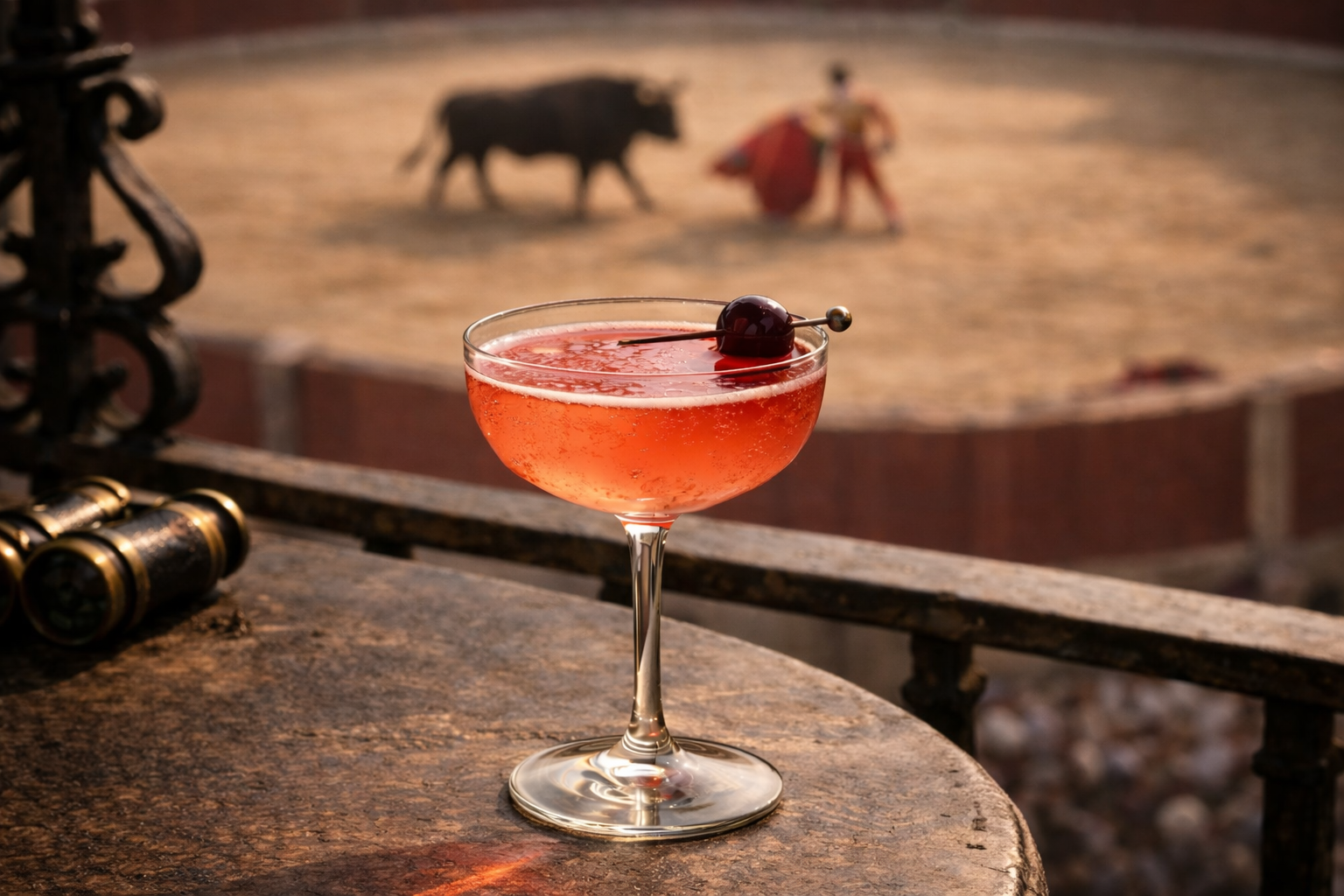
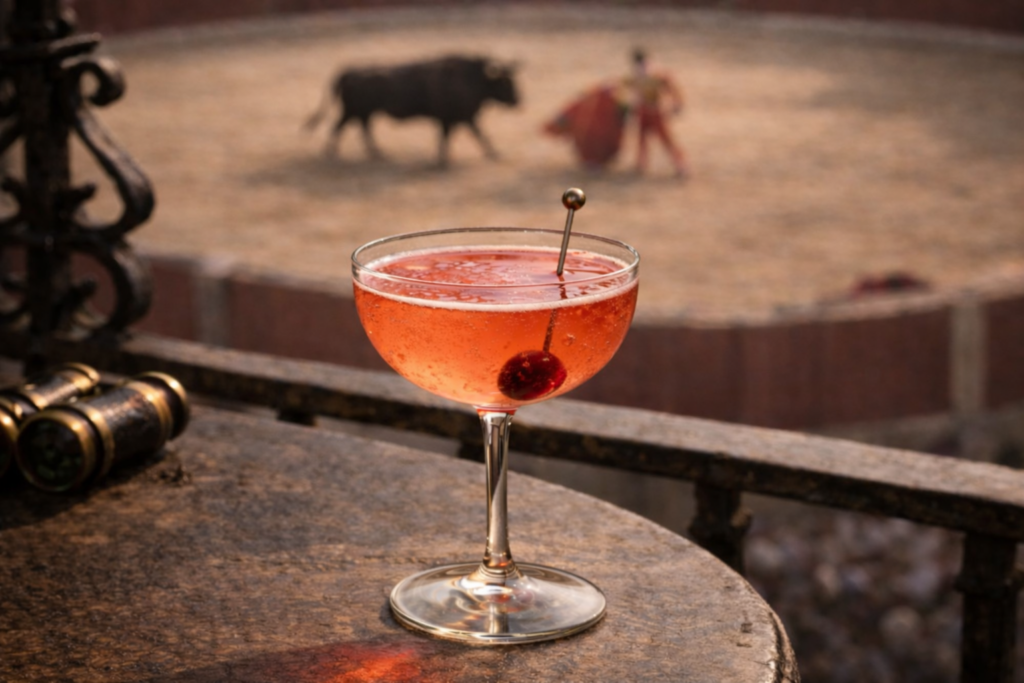
Bright citrus, subtle bitterness, and a structure that holds from first sip to last—Blood in the Afternoon lands exactly where a summer drink should. Light rum and lifted lime keep it crisp, while the Blood Ruby syrup pulls everything into focus without adding weight. Served ice-cold with a suspended cherry, it’s clean, controlled, and just restrained enough to keep you coming back.

Blood in the Afternoon

The Origin Story

The foundation here is unmistakable: the Hemingway Daiquiri—a drink defined as much by what it leaves out as what it includes. Built at El Floridita and shaped to suit Ernest Hemingway himself, it leans sharp, dry, and direct—lime and grapefruit pulling tight against a clean rum base, with just enough maraschino liqueur to hold the line. It’s a drink with structure, but also with edges. One that doesn’t soften itself for anyone.

The Variation

Blood in the Afternoon starts from that same framework, but shifts how the pieces interact. The citrus remains bright and lifted. The grapefruit still carries its quiet bitterness. But instead of allowing those elements to sit in tension, the Blood Ruby syrup draws them into alignment—rounding the profile without dulling it, giving the drink a through-line where the original can feel angular. It doesn’t make the drink sweeter so much as it makes it complete. What was once sharp becomes precise. What was once austere becomes intentional.

The Homage

Blood in the Afternoon—drawn from Death in the Afternoon—isn’t just a reference, it’s the through-line for the entire drink. Hemingway wrote about Spanish bullfighting as a kind of tragic ballet—controlled, deliberate, and always carrying the weight of what’s coming. That sense of tension is what this variation is built around.

The original Hemingway Daiquiri is famously lean—bright, dry, and almost severe in its structure. This version keeps that foundation intact, but introduces the Blood Ruby element as a way to deepen it. Not to sweeten, but to add dimension—bringing in a darker citrus note that mirrors the contrast Hemingway wrote about: beauty alongside brutality, brightness cut with something more grounded.

Even the rum choice follows that same line of thought. Flor de Caña is a quiet nod to El Floridita, where the Hemingway Daiquiri took shape. Clean and structured, it keeps the drink anchored in its origin without pulling focus. And then there’s the cherry. Submerged, suspended—not sitting on top, not decorative. It becomes part of the composition, echoing the idea behind the name. A single, dark element held within an otherwise bright structure.

Nothing here is accidental. Each choice points back—to the original drink, to its history, and to the story that gave this version its name.

The Composition

Shaking the drink brings everything together—citrus, syrup, and spirit—into a slightly clouded, integrated base. That texture matters. It gives the drink presence and keeps it from reading thin or overly sharp. In the glass, this is where the build proves itself. The aeration gives it lift without dilution, keeping the texture light while the flavors stay defined. Citrus stays forward, bitterness stays controlled, and the sweetness never separates from the rest of the drink. Everything lands in proportion—and stays there.

The best variations don’t try to outdo the original. They understand it. Blood in the Afternoon keeps the bones of the Hemingway Daiquiri intact, but refines the way they move together—carrying the same identity, just brought into clearer focus.

Blood in the Afternoon

Bright citrus, subtle bitterness, and a structure that holds from first sip to last—Blood in the Afternoon lands exactly where a summer drink should. Light rum and lifted lime keep it crisp, while the Blood Ruby syrup pulls everything into focus without adding weight. Served ice-cold with a suspended cherry, it’s clean, controlled, and just restrained enough to keep you coming back.
Print Pin
Category: THIRST
Cuisine: Cuban, Global
Course: Drinks
Keyword: Blood Orange, Lime Juice, Luxardo, Maraschino, Ruby Red Grapefruit, Rum, Simple Syrup
Prep: 3 minutes
Total: 3 minutes
Servings: 1 drink
Calories: 261kcal
Author: TastyDaddy

Ingredients

Drink

Garnish

Instructions

  • In a Boston shaker, add 2 oz Flor de Caña, ¼ oz Luxardo Maraschino Liqueur, ½ oz Blood Ruby syrup, ¾ oz fresh lime juice, ¼ oz ruby red grapefruit (optional—though recommended).
  • Fill shaker with ice, close tins, and shake vigorously until outside of shaker is frosty.
  • With a Hawthorne strainer, strain liquid into small tin of Boston shaker set.
  • Pour contents of small tin through a small mesh strainer into a chilled coupe glass.
  • Garnish with 1 whole Luxardo cherry, pierced with garnish skewer so that the cherry sits suspended under the liquid.

Nutrition

Calories: 261kcal | Carbohydrates: 21g | Protein: 0.2g | Fat: 0.1g | Saturated Fat: 0.002g | Polyunsaturated Fat: 0.01g | Monounsaturated Fat: 0.002g | Sodium: 1mg | Potassium: 44mg | Fiber: 0.3g | Sugar: 19g | Vitamin A: 172IU | Vitamin C: 11mg | Calcium: 7mg | Iron: 0.04mg

Fire & Ash

Fire & Ash is built on contrast—smoke and citrus, heat and brightness, all held in balance. Mezcal lays down a deep, smoldering foundation while ancho chile liqueur brings a slow, warming heat. Blood orange and grapefruit from the Blood Ruby syrup sharpen the profile, with lime cutting through to keep everything lifted and precise. The result is a cocktail that opens bright, settles into smoke, and finishes with a lingering warmth that stays just long enough.

Fire & Ash

Smoke Meets Heat

Fire & Ash is built on two defining elements—mezcal and ancho chile liqueur—each bringing a distinct character that gives the drink its name. Mezcal lays down the foundation with its unmistakable smoke, a dry, lingering quality that reads as ash on the palate. Ancho Reyes builds from there, adding warmth and depth with a slow, controlled heat that doesn’t spike, but settles and carries through the finish. Together, they form the core of the drink—one grounded, one rising—setting up a structure that’s bold but measured.

Citrus with Structure

Where the drink opens up is in the citrus.

The Blood Ruby syrup brings together blood orange and ruby red grapefruit, adding both sweetness and a subtle bitterness that keeps everything in check. It doesn’t just brighten the drink—it gives it shape. The blood orange leans deeper and slightly richer, while the grapefruit sharpens the edges, keeping the profile clean and focused.

Lime reinforces that structure, cutting through the smoke and heat to keep the drink lifted. The result lands somewhere in the space of a Paloma, but darker, more layered, and more intentional.

Where There’s Smoke…

This isn’t a drink that leans in one direction—it evolves across the palate. It opens with bright citrus, lightly sweet but already in balance, before the mezcal begins to expand, bringing a grounded, smoky depth through the mid-palate. As the sip finishes, the warmth from the ancho chile liqueur builds gradually, lingering just long enough to leave an impression without overstaying.

The citrus carries the heat forward, while the smoke provides structure underneath. Each element moves into the next with purpose, creating a profile that feels continuous rather than segmented—nothing overpowering, nothing falling away.

Built with Intention

Shaking the drink brings everything together—citrus, syrup, and spirit—into a slightly clouded, integrated base. That texture matters. It gives the drink presence and keeps it from reading thin or overly sharp.

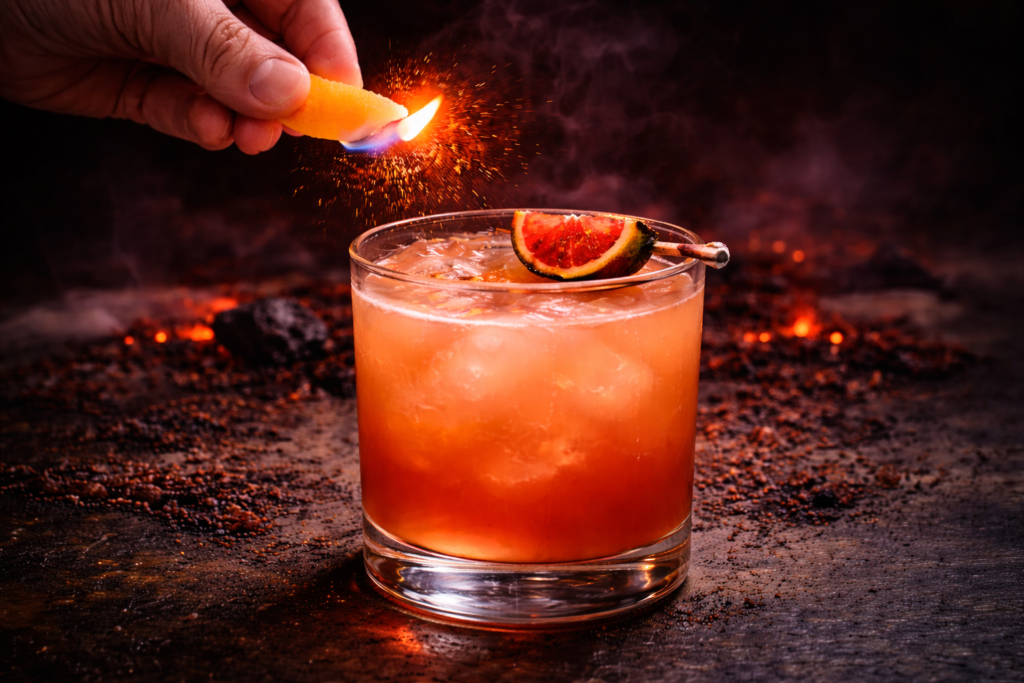
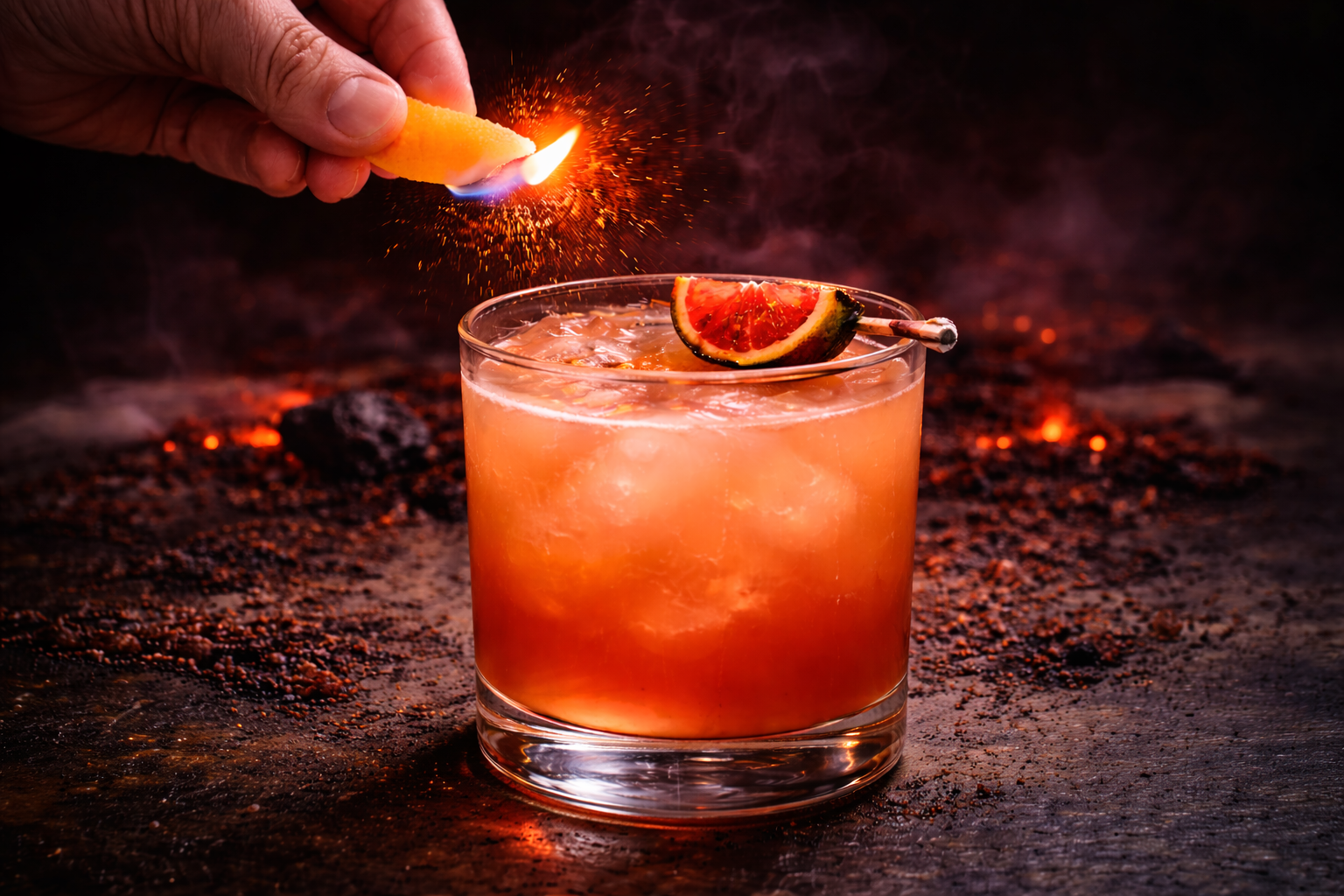
The garnish follows the same philosophy. A charred blood orange segment reinforces the citrus while adding a subtle caramelized note, and a flamed grapefruit peel expressed over the glass introduces a final layer of aroma—bright citrus oils ignited briefly, then settling into the drink.

It’s a small moment, but one that ties directly back to the name.

The process is straightforward, but the balance is deliberate. Each component plays a role, and small shifts will change how the drink reads from start to finish.

Fire & Ash

Fire & Ash is built on contrast—smoke and citrus, heat and brightness, all held in balance. Mezcal lays down a deep, smoldering foundation while ancho chile liqueur brings a slow, warming heat. Blood orange and grapefruit from the Blood Ruby syrup sharpen the profile, with lime cutting through to keep everything lifted and precise. The result is a cocktail that opens bright, settles into smoke, and finishes with a lingering warmth that stays just long enough.
Print Pin
Category: THIRST
Cuisine: Global, Mexican
Course: Drinks
Keyword: Ancho Reyes (Red), Blood Orange, Lime Juice, Mezcal, Ruby Red Grapefruit, Solerno
Prep: 7 minutes
Total: 7 minutes
Servings: 1 drink
Calories: 286kcal
Author: TastyDaddy

Ingredients

Drink

Garnish

  • ¼ wheel blood orange (cut thick, charred rind)
  • 1 inch ruby red grapefruit peel (expressed with flame)

Instructions

Blood Orange Garnish Prep

  • Cut 1 blood orange into ½" thick wheels, then cut each wheel into four equal segments.
  • Using a set of metal kitchen tongs, gently hold the blood orange segments so that the rind side is face out.
  • Char each rind using a crème brûlée torch.
  • Let each cool and pierce with garnish skewer so that charred rind is on bottom; set aside in bowl or jar.

Drink Prep

  • Fill rocks glass with ice and garnish with charred blood orange segment so it is rind side down in glass.
  • In a Boston shaker, add 2 oz Mezcal, ½ oz Solerno, ½ oz Ancho Reyes (Red), ¾ oz Blood Ruby syrup, and ¾ oz fresh lime juice.
  • Fill shaker with ice and shake vigorously until the outside of the tin is frosty.
  • Using Hawthorne strainer, strain liquid from shaker into prepared rocks glass.

Flame Expressed

  • Using a vegetable peel, remove 1" wide piece of ruby red grapefruit rind.
  • With a lit match in your dominant hand and the peel in your other, warm the peel over the flame briefly to draw out the citrus oil.
  • Holding both over glass, give the peel a gentle squeeze to release citrus oil onto the flame; some of the oil will ignite while the rest will fall into the cocktail.
  • Rub the rind along the rim of the glass; drop into cocktail and serve.

Nutrition

Calories: 286kcal | Carbohydrates: 24g | Protein: 0.2g | Fat: 0.1g | Saturated Fat: 0.002g | Polyunsaturated Fat: 0.1g | Monounsaturated Fat: 0.002g | Sodium: 2mg | Potassium: 40mg | Fiber: 0.1g | Sugar: 20g | Vitamin A: 130IU | Vitamin C: 10mg | Calcium: 6mg | Iron: 0.04mg

Mirada Rosa

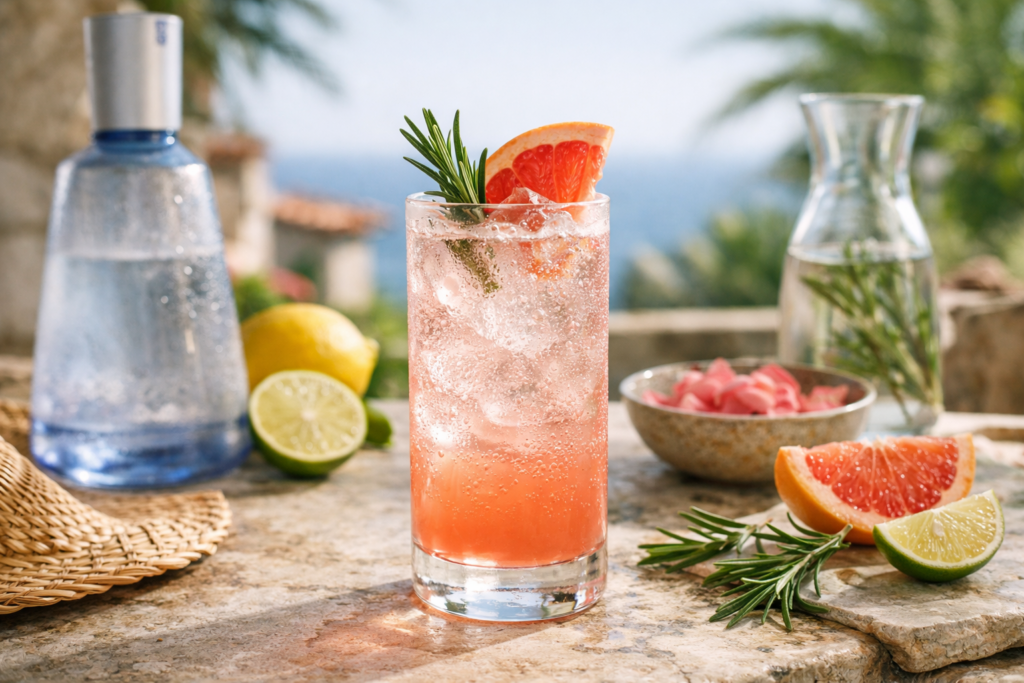
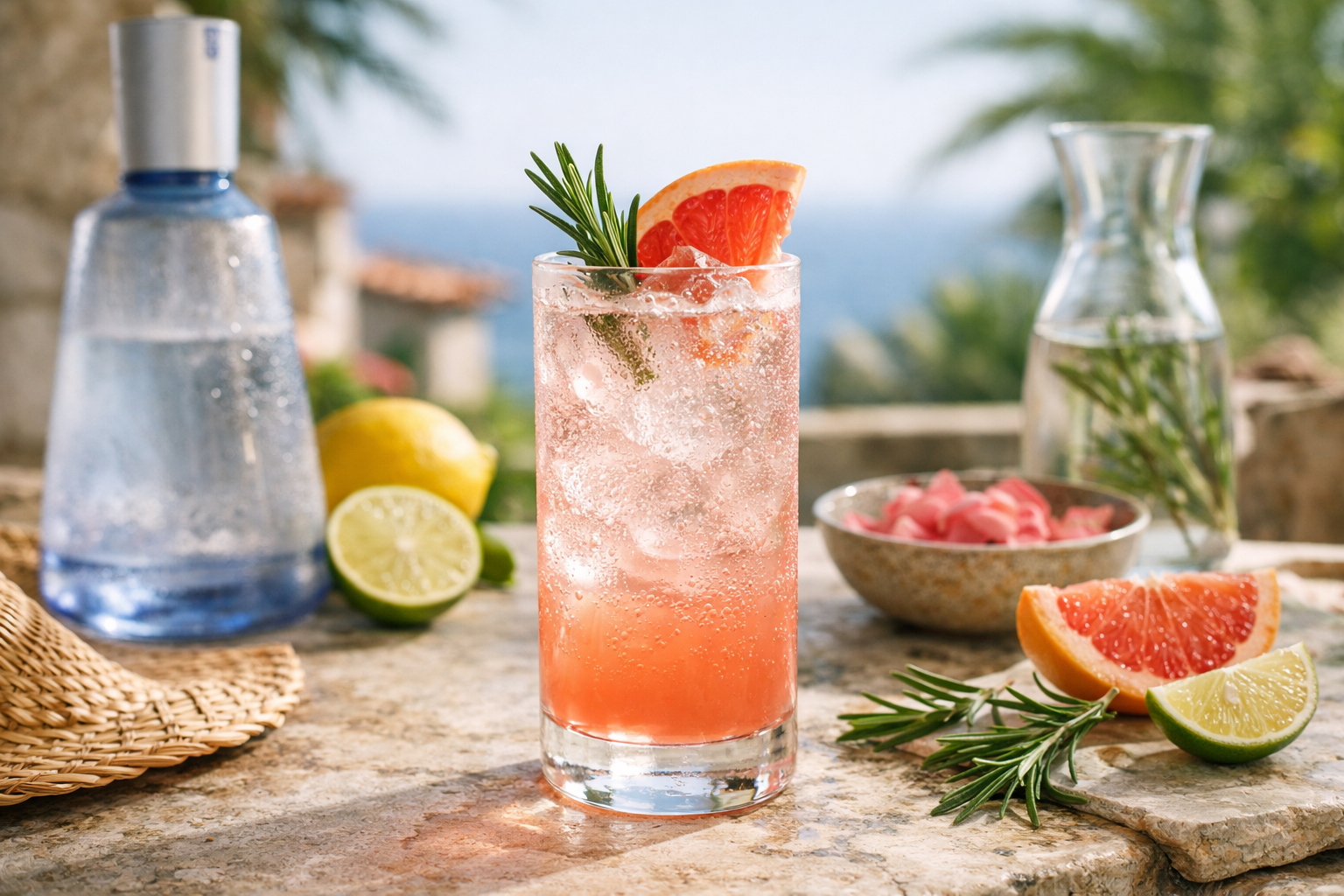
Mirada Rosa is bright, crisp, and quietly layered—where grapefruit and lime lead with a clean citrus edge, softened by subtle sweetness and lifted with tonic. The rosemary carries through from the syrup and the gin, adding an herbal backbone that ties everything together and gives the drink a fresh, aromatic finish from the first sip through the last.

Mirada Rosa

A Shift in Perspective

Mirada Rosa leans into clarity—bright citrus, lifted aromatics, and a structure that stays clean from start to finish. Grapefruit and lime lead with a sharp, focused edge, while the Ruby Rose syrup carries both sweetness and a subtle bitterness that keeps the drink grounded. The rosemary moves through the background, tying into the botanicals of the gin and giving the entire build a fresh, aromatic backbone.

Tonic brings length and effervescence, stretching the profile without diluting it. The result is a highball that feels composed and intentional, where each element reads clearly without competing for space.

Why Gin Mare Works Here

Gin Mare brings a Mediterranean profile that aligns naturally with the syrup. Rosemary, thyme, and citrus notes reinforce what’s already in the glass rather than introducing something new. That continuity keeps the drink cohesive, allowing the herbal and citrus elements to build on each other instead of pulling in different directions.

Building with Control

This is a stirred build, not shaken. Stirring keeps the drink clear and controlled, preserving both the texture and the carbonation once the tonic is added. The separation of steps—building the base first, then finishing with tonic—ensures the final drink stays structured rather than over-diluted.

Layering the rosemary directly into the glass allows it to open gradually, releasing aroma as the drink develops. It’s a subtle move, but one that carries through the entire experience.

The process is straightforward, but the order matters. Build the base cleanly, control dilution, and finish with tonic to maintain balance and lift.

Mirada Rosa

Mirada Rosa is bright, crisp, and quietly layered—where grapefruit and lime lead with a clean citrus edge, softened by subtle sweetness and lifted with tonic. The rosemary carries through from the syrup and the gin, adding an herbal backbone that ties everything together and gives the drink a fresh, aromatic finish from the first sip through the last.
Print Pin
Category: THIRST
Cuisine: Global, Spanish
Course: Drinks
Keyword: Gin Mare, Rosemary, Ruby Red Grapefruit, Tonic
Prep: 3 minutes
Total: 3 minutes
Servings: 1 drink
Calories: 282kcal
Author: TastyDaddy

Ingredients

Drink

Garnish

Instructions

Prepare Glass

  • Layer ice and 1 sprig rosemary inside of a highball glass.

Prepare Drink

  • In mixing glass, add 2 oz Gin Mare, 1 oz Ruby Rose syrup, and ¾ oz fresh lime juice; top with ice and stir with bar spoon.
  • Top with 3½ oz tonic water.
  • Take julep strainer and strain liquid contents into prepared highball glass.

Garnish

  • Garnish drink with ½ wheel ruby red grapefruit and serve.

Nutrition

Calories: 282kcal | Carbohydrates: 37g | Protein: 0.2g | Fat: 0.1g | Saturated Fat: 0.01g | Polyunsaturated Fat: 0.01g | Monounsaturated Fat: 0.003g | Sodium: 14mg | Potassium: 46mg | Fiber: 0.3g | Sugar: 35g | Vitamin A: 180IU | Vitamin C: 11mg | Calcium: 9mg | Iron: 0.1mg

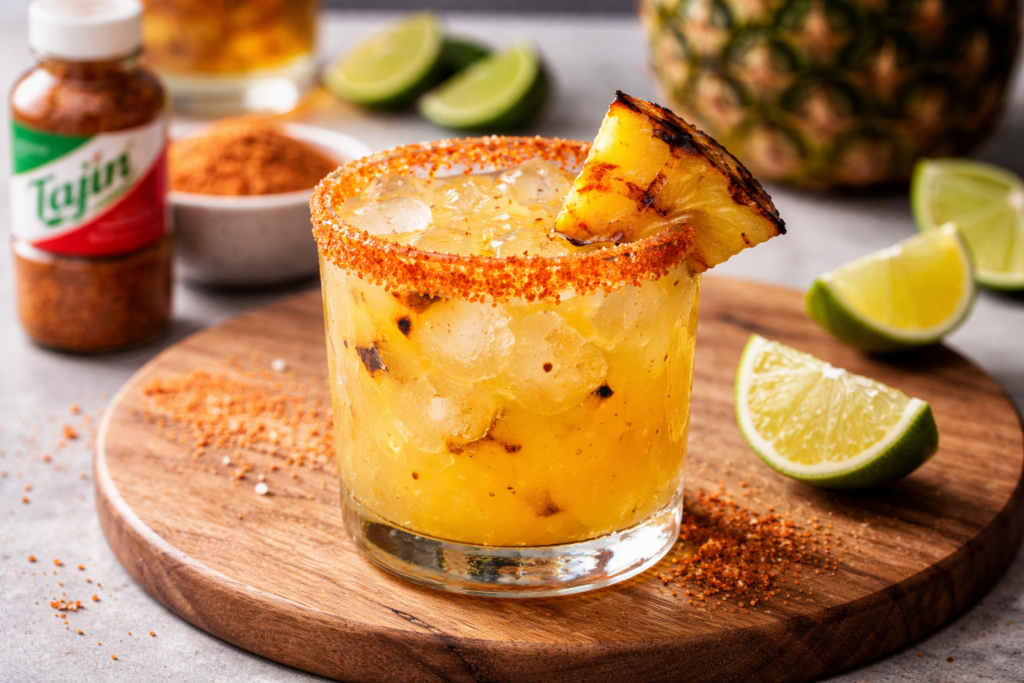
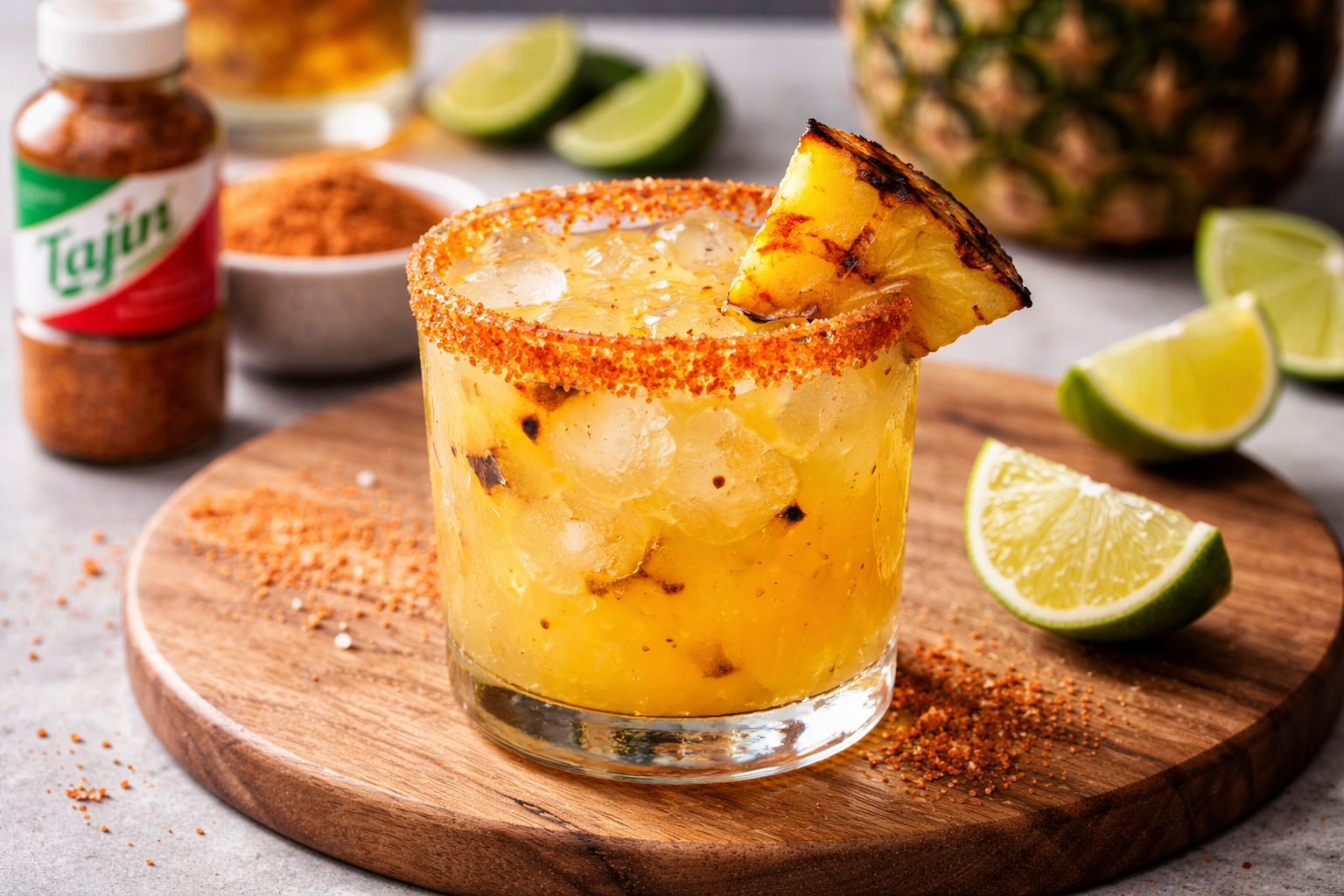
Piña de Fuego Margarita

The Piña de Fuego Margarita brings together bright citrus, charred pineapple, and a controlled hit of heat in a way that feels balanced from start to finish. The Sweet Tajín rim adds a layer of salt, spice, and subtle sweetness that ties everything together, turning a familiar build into something more layered and intentional.

Piña de Fuego Margarita

Sweet Heat, Built to Hold

This margarita leans into contrast without losing its footing. Bright lime and pineapple lead the first impression, but the depth from the syrup and tequila carries it further, giving the drink more structure than a standard build. The heat is present, but controlled—something that develops as you drink rather than announcing itself all at once.

What sets this apart is how each component is layered with intention. The charred pineapple echoes the syrup. The demerara notes carry through the tequila and orange liqueurs. The Sweet Tajín rim ties everything together at the edge of the glass, adding salt, citrus, and just enough sweetness to bridge the gap between the drink’s brighter and deeper elements.

Why Reposado Works Here

Reposado tequila brings just enough oak to support what’s already happening in the glass without taking over. Light vanilla, soft spice, and a bit of roundness help connect the citrus, char, and sweetness into a single profile. It keeps the drink grounded while still allowing it to stay fresh and drinkable.

The Role of the Rim

The Sweet Tajín rim isn’t just a garnish—it’s part of the structure. It introduces salt, citrus, and a touch of sweetness before the drink even hits the palate, shaping how each sip begins. That first contact sets the tone, making the cocktail feel more integrated from the start rather than something that comes together mid-sip.

Final Thought

Everything in this build is doing a job. The sweetness carries the heat, the citrus sharpens the edges, and the rim brings it all into focus from the first sip. It’s a margarita that feels familiar at a glance, but holds a bit more depth once you get into it.

The process is straightforward, but the details matter—clean rimming, balanced dilution, and a proper shake all play a role in how the final drink comes together.

Piña de Fuego Margarita

Piña de Fuego Margarita brings together bright citrus, charred pineapple, and a controlled hit of heat in a way that feels balanced from start to finish. The Sweet Tajín rim adds a layer of salt, spice, and subtle sweetness that ties everything together, turning a familiar build into something more layered and intentional.
Print Pin
Category: THIRST
Cuisine: Global
Course: Drinks
Keyword: Habanero, Lime, Pineapple, Reposado, Tequila
Prep: 5 minutes
Total: 5 minutes
Servings: 1 drink
Calories: 389kcal
Author: TastyDaddy

Ingredients

Drink

Garnish

Instructions

Prep Glass

  • Rim an Old Fashioned glass with Sweet Tajín cocktail rim mix and fill with ice.
  • Skew a charred pineapple wedge with garnish skewer and place in prepared glass.

Prep Cocktail

  • In a Boston shaker, add 2 oz reposado tequila, ¼ oz triple sec, ¼ oz Gran Marnier, 1 oz Piña de Fuego syrup, and 1 oz fresh lime juice.
  • Fill shaker with ice and shake until outside of shaker is frosty.
  • Strain into prepared Old Fashioned glass and serve.

Nutrition

Calories: 389kcal | Carbohydrates: 59g | Protein: 0.2g | Fat: 0.1g | Saturated Fat: 0.02g | Polyunsaturated Fat: 0.04g | Monounsaturated Fat: 0.003g | Sodium: 195mg | Potassium: 85mg | Fiber: 0.4g | Sugar: 56g | Vitamin A: 30IU | Vitamin C: 19mg | Calcium: 14mg | Iron: 0.3mg