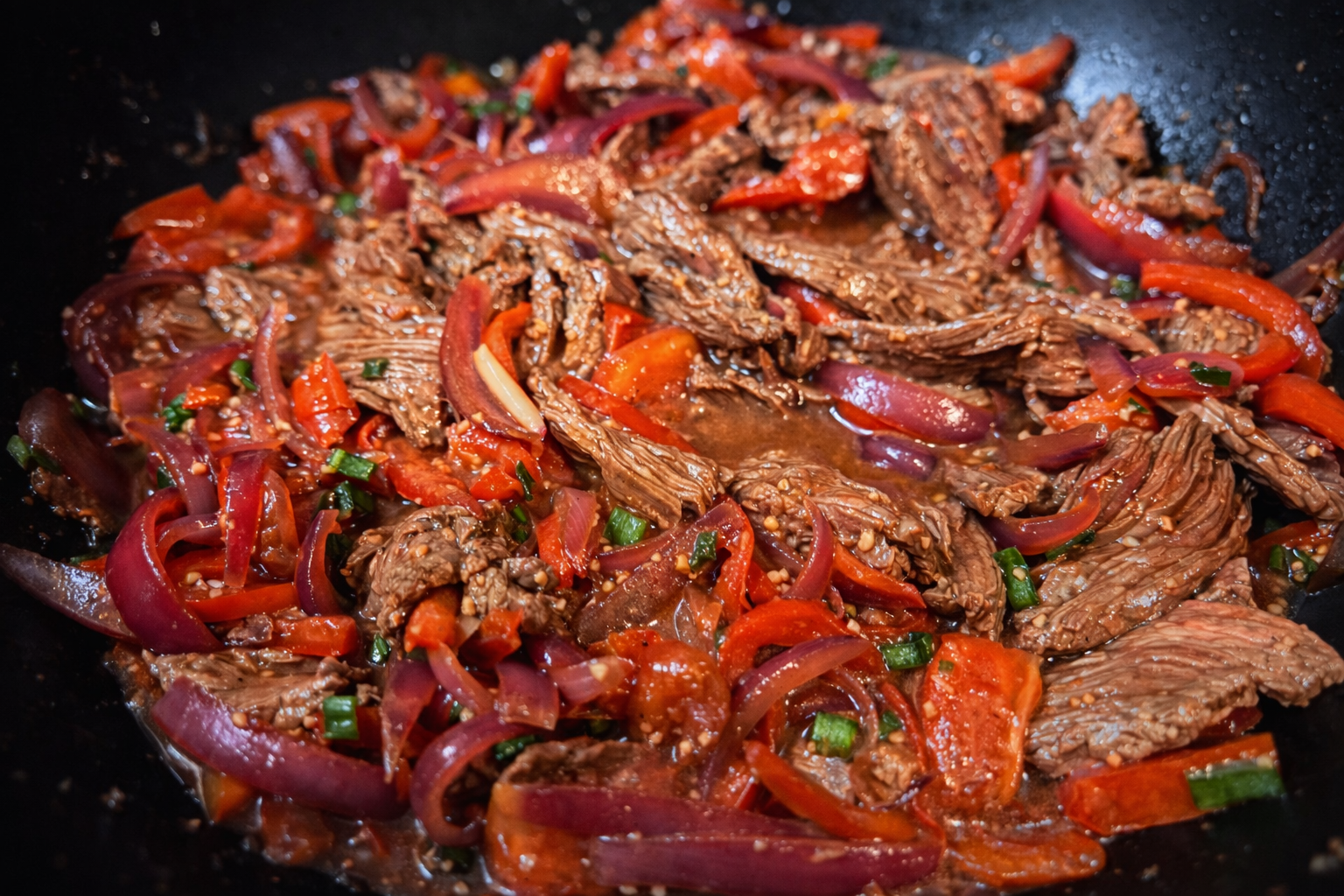
American Chop Suey

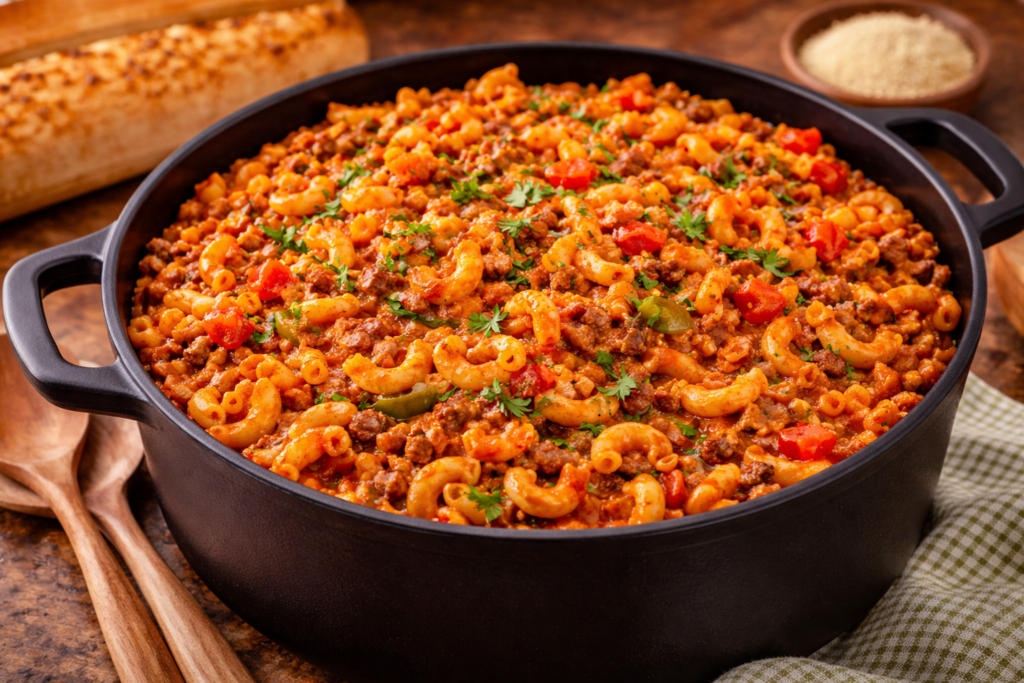
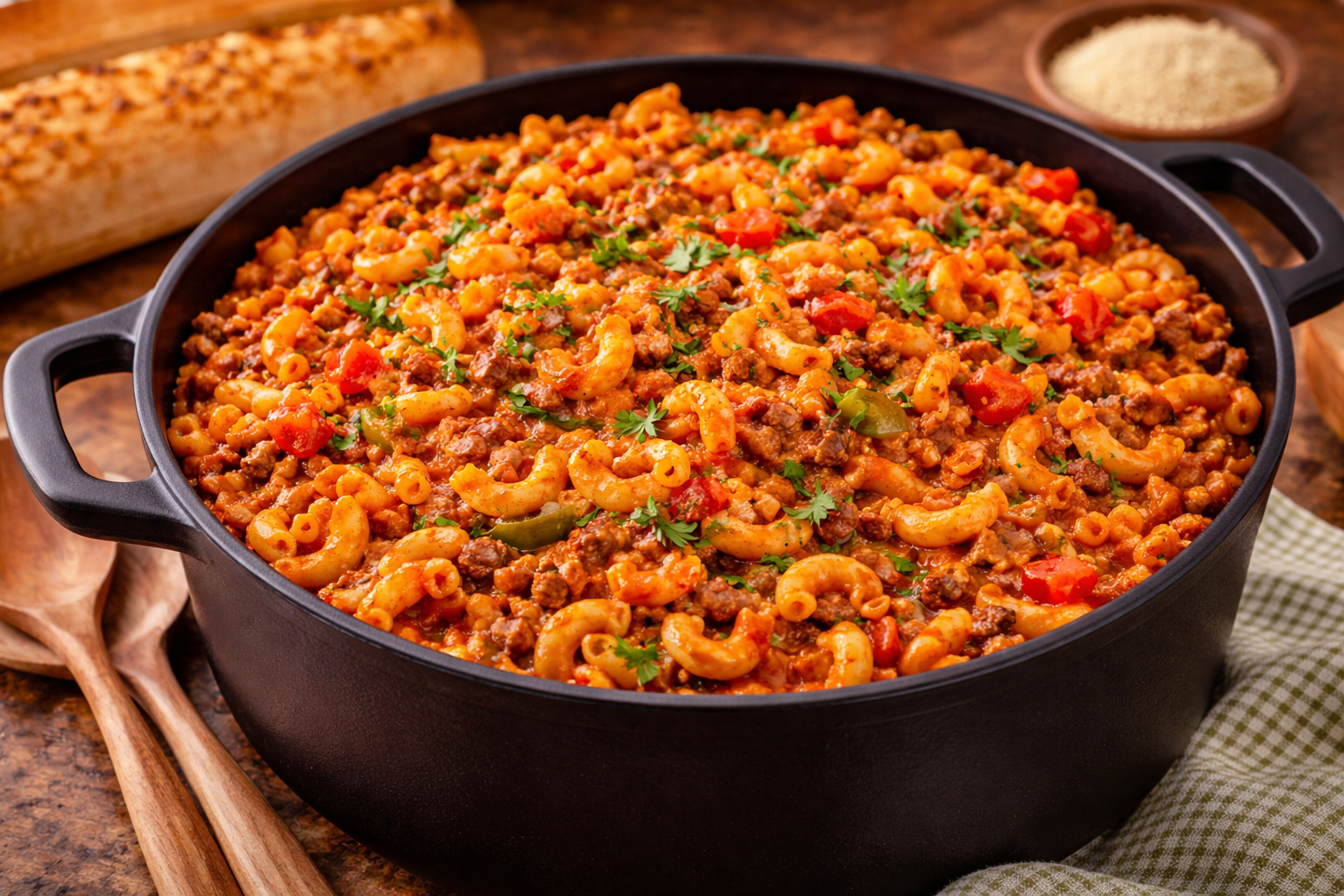
American Chop Suey is a one-pot classic built on simplicity done well—elbow macaroni folded into a savory tomato and beef sauce with softened onions, peppers, celery, and garlic. It’s hearty without being heavy, balancing acidity from the tomatoes with the richness of the meat, while a touch of Velveeta melts in to give the sauce a smoother, more cohesive finish.

The result is a dish that eats like comfort but holds its structure—sauce clinging to every curve of pasta, each bite consistent from start to finish. Depending on where you are, you might hear it called American Goulash, Johnny Marzetti, or something similar, but the foundation stays the same: familiar, unfussy, and built to satisfy.
American Chop Suey

A Regional Classic

American Chop Suey is one of those dishes where the name carries more history than the plate suggests. The term chop suey comes out of Chinese American cooking in the late 19th and early 20th centuries—often used to describe a mixed dish built from whatever ingredients were on hand. As it gained popularity in cities like New York and San Francisco, the name began to drift beyond its original context. Home cooks adopted it more loosely, applying it to one-pot meals that followed the same idea: combine what you have, cook it together, and make it feed a table.

Over time—especially in the Northeast—that concept took on a different identity, shaped by Italian-American kitchens and American home cooking. The ingredients shifted to tomato, pasta, and ground meat, but the underlying idea stayed the same. What remained wasn’t the cuisine—it was the structure: a cohesive, mixed dish built from simple components and made to satisfy.

How It Changes by Region

Because the dish was never standardized, it evolved differently depending on where it landed:

  • American Chop Suey (New England): Tomato-forward, often a bit looser, closer to a saucy pasta.
  • American Goulash (Midwest): Thicker, more concentrated, sometimes heavier on seasoning.
  • Beefaroni (Italian-American, general NE United States): A simpler, more streamlined stovetop version—ground beef and pasta in a smoother tomato sauce, typically with fewer vegetables and a more uniform consistency, reflecting Italian-American red sauce influence.
  • Johnny Marzetti (Ohio Valley): Often baked, occasionally layered, and more likely to incorporate cheese from the start.
  • Slumgullion (Upper Midwest and Western US): A more rustic, frontier-style version—often simpler, looser, and highly adaptable, sometimes stretching ingredients further with extra liquid or fewer aromatics.

Same foundation—different expressions shaped by local kitchens.

Building This Version

This version leans into control—treating each component with intention so the final dish holds together instead of blending into something indistinct. The base starts with onion and green bell pepper—standard aromatics for this dish. Celery isn’t traditional, but it’s part of how I grew up eating it. It adds a subtle vegetal depth and texture that carries through the sauce. In our kitchen, it was always around—either from the store in the off-season or pulled straight from the garden—so it became part of the build.

Garlic follows, just enough to bloom. Then the meat. Ground beef forms the base, but Italian sausage—sweet, mild, or hot—can be added depending on how you want to shape the flavor. Sweet or mild sausage rounds things out and leans more classic. Hot sausage adds heat and a sharper edge that cuts through the richness.

The Sauce: Flexible by Design

The sauce is layered to control both texture and balance:

  • Diced tomatoes for structure
  • Tomato soup for body and built-in richness
  • Passata for smoothness
  • Tomato paste for depth
  • Beef stock to add liquid for the final pasta cook and to bring it all together

There’s room to move here. A can of diced tomatoes with green chilis adds a subtle heat and brightness. Fresh garden tomatoes—when available—bring a cleaner, more natural acidity and a lighter texture that shifts the entire feel of the dish. I grew up seeing a spoonful of sugar added to cut through the sharpness of stewed tomatoes.

Instead, this version balances that same idea at the source—using a combination of passata and tomato soup. The soup leans slightly sweeter and richer, which softens the acidity and creates a smoother, more velvety base—especially once everything comes together with the cheese.

Why the Pasta Is Soaked, Not Boiled

Traditionally, this dish is made with elbow macaroni—and it works. But for leftovers, it tends to soften too much. Cavatappi or mini penne hold their shape better, giving the dish more structure even after it’s been refrigerated and reheated. My family would probably give me a strange look with this step, but instead of cooking the pasta separately (like I’d learned), I now soak my pasta in hot water and finish cooking it directly in the sauce later.

That shift does two things:

  • The pasta absorbs the flavor of the sauce as it finishes cooking.
  • The reserved soaking water introduces starch that helps bind everything together. It’s not optional, regardless of cooking before or soaking—it’s what tightens the sauce so it clings to the pasta instead of sitting around it.

The Velveeta Adjustment

Cheese isn’t part of the traditional New England version I grew up with, but during my time in Michigan, it was a common addition—usually shredded and mixed in or layered through. The problem was consistency. Shredded cheese tends to go stringy, and once it cools, it can separate or settle, leaving the bottom of the pot coated in congealed cheese.

Velveeta solves that. It melts cleanly into the sauce, creating a smooth, cohesive finish without turning the dish into something heavy or overly cheesy. Combined with the slightly sweeter, more rounded tomato soup base, it creates a texture that feels unified from edge to edge without separation.

Final Thoughts

American Chop Suey was never meant to be exact. It’s a dish shaped by what’s available, what’s familiar, and what works. The name comes from one place, the ingredients from another, and the method from somewhere in between. Handled with intention, it becomes something structured—balanced, consistent, and built to hold together from the first bite to the last.

You’ll find the full method outlined below, step by step—but the key is in how each stage builds on the last. From properly softening the aromatics, to layering the sauce, to finishing the pasta directly in the pot, each move is designed to control texture and consistency rather than leaving it to chance.

American Chop Suey

American Chop Suey is a one-pot classic built on simplicity done well—elbow macaroni folded into a savory tomato and beef sauce with softened onions, peppers, celery, and garlic. It’s hearty without being heavy, balancing acidity from the tomatoes with the richness of the meat, while a touch of Velveeta melts in to give the sauce a smoother, more cohesive finish.
The result is a dish that eats like comfort but holds its structure—sauce clinging to every curve of pasta, each bite consistent from start to finish. Depending on where you are, you might hear it called American Goulash, Johnny Marzetti, or something similar, but the foundation stays the same: familiar, unfussy, and built to satisfy.
Print Pin
Category: FEAST
Cuisine: American, Italian-American, Midwest, New England, Southern
Course: Main Course
Keyword: Comfort, Ground Beef, Macaroni, Tomato
Prep: 15 minutes
Cook: 25 minutes
Resting Time: 10 minutes
Total: 50 minutes
Servings: 8 servings
Calories: 629kcal
Author: TastyDaddy

Ingredients

Instructions

Wash the Vegetables

  • Thoroughly wash and dry green pepper, celery, onion, garlic, and parsley.

Soak the Pasta

  • Instead of cooking the pasta (as most recipes call for), I soak my pasta in hot water for about 20 minutes—while I prepare the rest of the ingredients—and finish cooking it in the sauce later.
  • The traditional recipe calls for elbow macaroni, but you can use other tubular pasta. I like to use cavatappi or mini penne (because they hold up better for leftovers).

Cut the Vegetables

  • With the butcher block and chef's knife, dice 1 large yellow onion and set aside in prep bowl.
  • Chop 2 stalks celery and set aside in prep bowl.
  • Dice 1 whole green bell pepper and set aside in prep bowl.
  • Mince 2 cloves garlic and set aside in prep bowl.
  • Trim stems off parsley and coarsely chop leaves, enough to fill ¼ cup.

Cook Vegetables

  • Heat Dutch oven over medium high heat and melt 2 tbsp butter.
  • Add diced onion, diced green pepper, and chopped celery to Dutch oven and cook until tender.
  • Add minced garlic to Dutch oven and brown for 1-2 minutes.
  • Remove cooked vegetables from pan and set aside in mixing bowl.

Brown Meat

  • Add 1 lb ground beef to Dutch oven and season with 1 tbsp Kosher salt, ½ tsp black pepper, 1 tsp dried oregano, 1 tsp dried basil, 1 tsp onion powder, 1 tsp paprika, and 1 tsp celery seed directly in pan.
  • If you'd like to make the dish a bit more hearty, add the optional 1 lb ground sausage.
  • Once meat is browned, drain excess fat.
  • Return meat to pan and add 1 tbsp Worcestershire sauce, stirring to combine.

The Sauce

  • Return veggies back to pan.
  • Empty 14 oz diced tomatoes (undrained) to pan; stir to combine
  • If you would like to add a little kick to the dish, substitute the plain diced tomatoes with a can mixed with green chilis instead.
  • Add 10.75 oz tomato soup, 10 oz passata (or tomato sauce), 6 oz tomato paste, and 2-3 cups beef stock; stir to combine and bring to a boil.

Add Pasta

  • While sauce is heating to a boil, reserve 1 cup of pasta soaking water; set aside.
  • Strain pasta with colander.
  • Once pot has started to boil, add pre-soaked pasta and reserved pasta water to pot and stir to combine.
  • Cover with lid and let pasta simmer for 5-7 minutes (or until desired tenderness).

Cheese

  • While pasta is cooking, cut 12 oz Velveeta cheese into cubes (so that it will melt easier).
  • Once pasta has finished cooking, add Velveeta cheese cubes to pot and stir until combined.

Serve

  • Garnish each serving with grated parmesan cheese and freshly-chopped parsley.

Nutrition

Calories: 629kcal | Carbohydrates: 45g | Protein: 35g | Fat: 35g | Saturated Fat: 14g | Polyunsaturated Fat: 3g | Monounsaturated Fat: 13g | Trans Fat: 1g | Cholesterol: 106mg | Sodium: 2453mg | Potassium: 1398mg | Fiber: 4g | Sugar: 15g | Vitamin A: 1594IU | Vitamin C: 23mg | Calcium: 334mg | Iron: 5mg
Hand Cut Pommes Frites

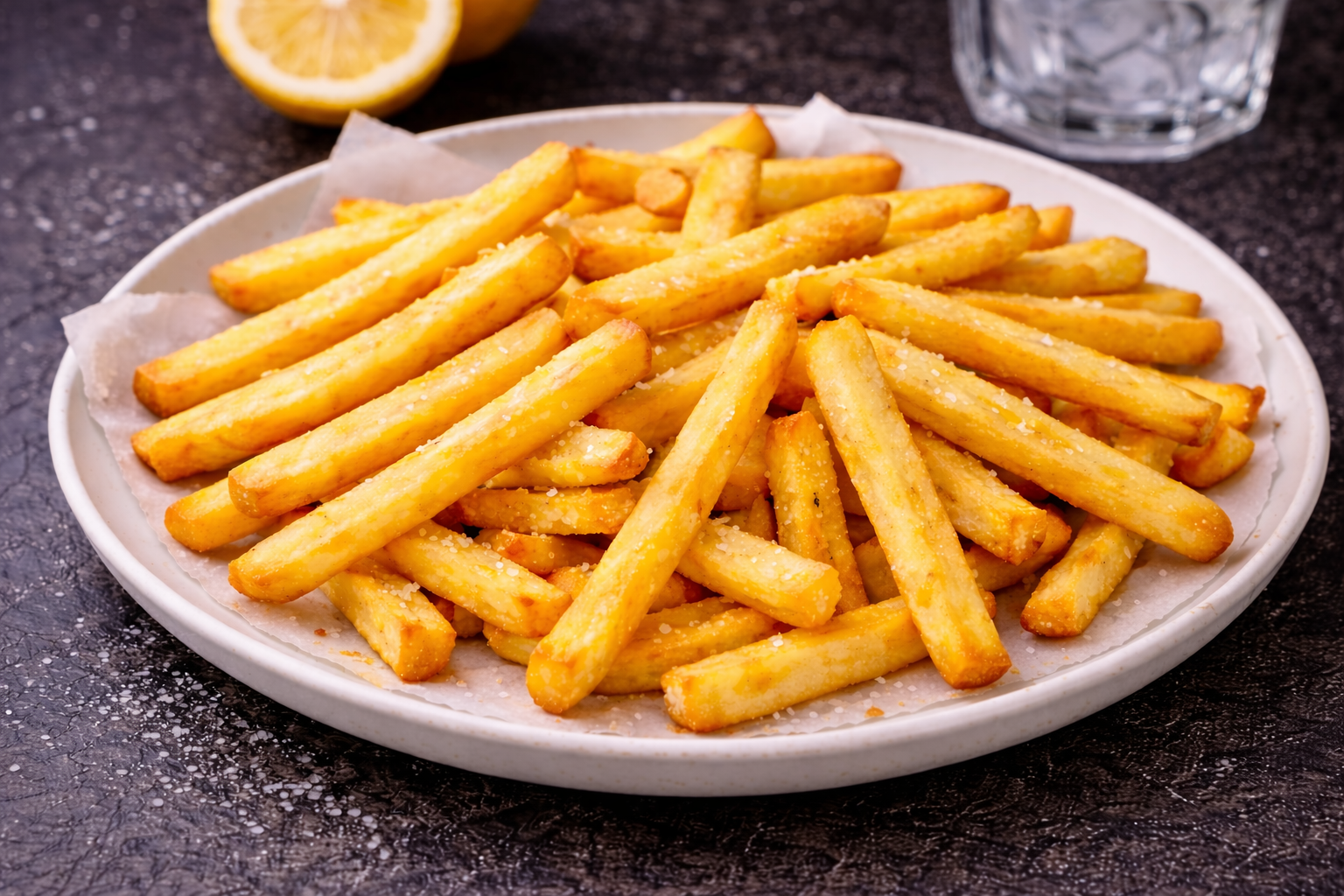
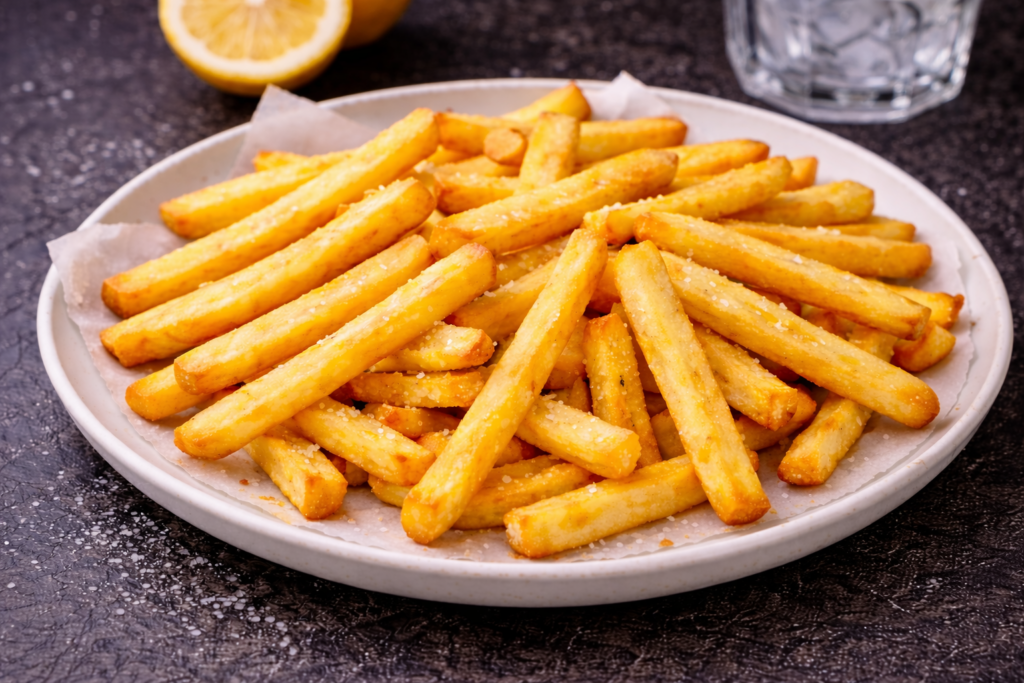
Classic hand-cut pommes frites made using the traditional double-fry method with a twist: a gentle vinegar blanch at a low temperature, an initial fry, a rest in the refrigerator, and a final fry. The technique produces fries that are beautifully crisp on the outside and a soft, fluffy inside.

Hand Cut Pommes Frites

Belgian by origin. Classic by design.

Despite the name, French fries don’t originate in France. They trace back to Belgium, where potatoes were fried in fat as early as the late 1600s. The name likely came later, popularized by English speakers who associated the technique with French culinary terminology.

Whatever you call them, great fries aren’t accidental. The difference between limp and exceptional comes down to technique—how the potatoes are cut, treated, and cooked from start to finish. This method leans into those details to create fries that are crisp on the outside and soft, almost pillowy, on the inside.

Why the potato matters.

Not all potatoes behave the same when fried. For fries, a high-starch potato is the goal. Starchier varieties break down just enough during cooking to create that fluffy interior, while also allowing the exterior to crisp properly in hot oil.

Lower-starch potatoes tend to hold their structure too well, resulting in a firmer, less airy center and a less defined crust. Starting with the right potato sets the foundation for everything that follows.

The importance of blanching.

Handled carefully, this step sets up both the texture and the finish. Just like the Golden Girls wouldn’t have worked without Blanche, your fries won’t be as golden without this step. Instead of relying on a long soak alone, the potatoes are blanched in water with a small amount of vinegar. This step does more than just par-cook the fries—it actively improves their structure and color.

The vinegar introduces a gentle acidity that helps the exterior of the potatoes hold together, preventing them from breaking down or turning mushy during frying. At the same time, the hot water draws out excess surface sugars, which reduces premature browning in the oil and allows the fries to develop a more even, golden color later on.

Drying and the first fry.

After blanching, the potatoes are dried thoroughly before hitting the oil. Removing surface moisture is critical—any remaining water interferes with frying and prevents the exterior from setting properly.

The first fry is quick and intentional. It cooks the potatoes through without adding color, creating the soft interior that defines a great fry. At this stage, the fries are pale and delicate, but structurally prepared for what comes next.

Why the chill and second fry matter.

Once the first fry is complete, the fries are chilled before going back into the oil. This pause allows the interior to firm up slightly and the exterior to dry out further, which is essential for achieving that final crisp texture.

The second fry is where everything comes together. The hotter oil finishes the exterior, creating a golden, crisp shell while the inside remains tender. This two-step frying method is standard in professional kitchens for a reason—it consistently delivers fries with contrast, structure, and balance.

Salt is added only after this final fry, ensuring it adheres to the surface without interfering with the oil during cooking.

Simple, but not careless.

Hand-cut fries are a perfect example of how a simple dish can benefit from precision. Each step—cutting, blanching, drying, frying, and resting—builds toward a final result that feels intentional rather than incidental.

What I serve with it.

You’ll find the full method outlined below, from cutting the batons to the double fry that brings everything together. The process takes a little time, but most of it is hands-off, and the payoff is fries that are crisp, golden, and built the way they’re meant to be.

Hand Cut Pommes Frites

Classic hand-cut pommes frites made using the traditional double-fry method with a twist: a gentle vinegar blanch at a low temperature, an initial fry, a rest in the refrigerator, and a final fry. The technique produces fries that are beautifully crisp on the outside and a soft, fluffy inside.
Print Pin
Category: SAVOR
Cuisine: American, Belgian, French
Course: Side Dish
Keyword: French Fries, Potatoes
Prep: 15 minutes
Cook: 25 minutes
Chill Time: 35 minutes
Total: 1 hour 15 minutes
Servings: 4 servings
Calories: 2094kcal
Author: TastyDaddy

Ingredients

Instructions

Wash & Peel

  • Wash and peel potatoes, making sure to re-rinse each potato after peeling, drying each with a paper towel, and setting aside on butcher block for next step.

Cut

  • Using your chef's knife, cut potatoes into ¼" (6mm) batons.
  • Place cut batons into a bowl of lightly-salted water to prevent browning as you cut all the potatoes. Though the cut batons soak here, I veer from the traditional longer soak method and opt for blanching (see below).

Rinse

  • Carefully transfer cut batons into a strainer or colander and rinse thoroughly under running water for about 30 seconds.

Vinegar Blanch

  • Carefully transfer rinsed batons into a 6-quart stockpot and add 1 tbsp salt, 2 quarts water, and 2 tbsp white vinegar to the pot. Bring pot to a boil over high heat, immediately reducing heat to low once it reaches a boil. Cook for 10 minutes, then carefully transfer batons back into colander using a spider strainer or slotted spoon.
  • TIP: DO NOT dump stock pot into colander! Blanching has softened the batons and they will break.

Sheet-Pan Dry

  • Line two baking sheets with paper towels.
  • Carefully spread the batons evenly on lined baking sheets and leave to dry for at least 5 minutes.
  • Carefully lift paper towel with dried batons from baking sheet and place onn counter.
  • Re-line baking sheets with fresh paper towels.

Frying - Round One

  • Heat 1 quart canola (or peanut) oil to 400℉ in wok (or fry pan) over medium-high heat.
  • TIP: After 2-3 minutes of burner being on, place a toothpick in the oil. You know the oil is ready (hot enough) when bubbles form around the toothpick.
  • Using a spiderweb or slotted spoon, lower potato batons in small batches and cook for 1 minute, moving them around once or twice while they cook. Remove from oil and place cooked fries onto freshly-lined baking sheet.
  • TIP: DO NOT salt the fries when they come out of the oil during the first round of frying. Salt breaks down the fat in the oil and also reduces the smoking point, so if you salt them during this round, you will be adding tons of salt to the oil during round two of frying and your fries will not cook properly.
  • Repeat with small batches until all fries are cooked.

Chill

  • Place fries to chill in refrigerator to chill for a minimum of 30 minute
  • TIP: If you have to prep other parts of your meal, this is the perfect time to do it. Save Round Two of frying for the final step in your meal prep so your fries are piping hot when served.

Frying - Round Two

  • Line a large bowl with paper towels.
  • Reheat the canola (or peanut) oil to 400℉ in wok (or fry pan) over medium-high heat.
  • Fry half the fries for 4 minutes, moving them around once or twice, until golden and crispy, transferring cooked fried to the lined bowl.
  • Repeat with second half, then sprinkle with salt (or preferred seasoning). Gently toss to coat the fries with seasoning and serve!

Nutrition

Calories: 2094kcal | Carbohydrates: 0.2g | Protein: 0.02g | Fat: 237g | Saturated Fat: 17g | Polyunsaturated Fat: 66g | Monounsaturated Fat: 150g | Trans Fat: 1g | Sodium: 1744mg | Potassium: 5mg | Fiber: 0.01g | Sugar: 0.01g | Vitamin A: 0.01IU | Vitamin C: 0.1mg | Calcium: 2mg | Iron: 0.03mg

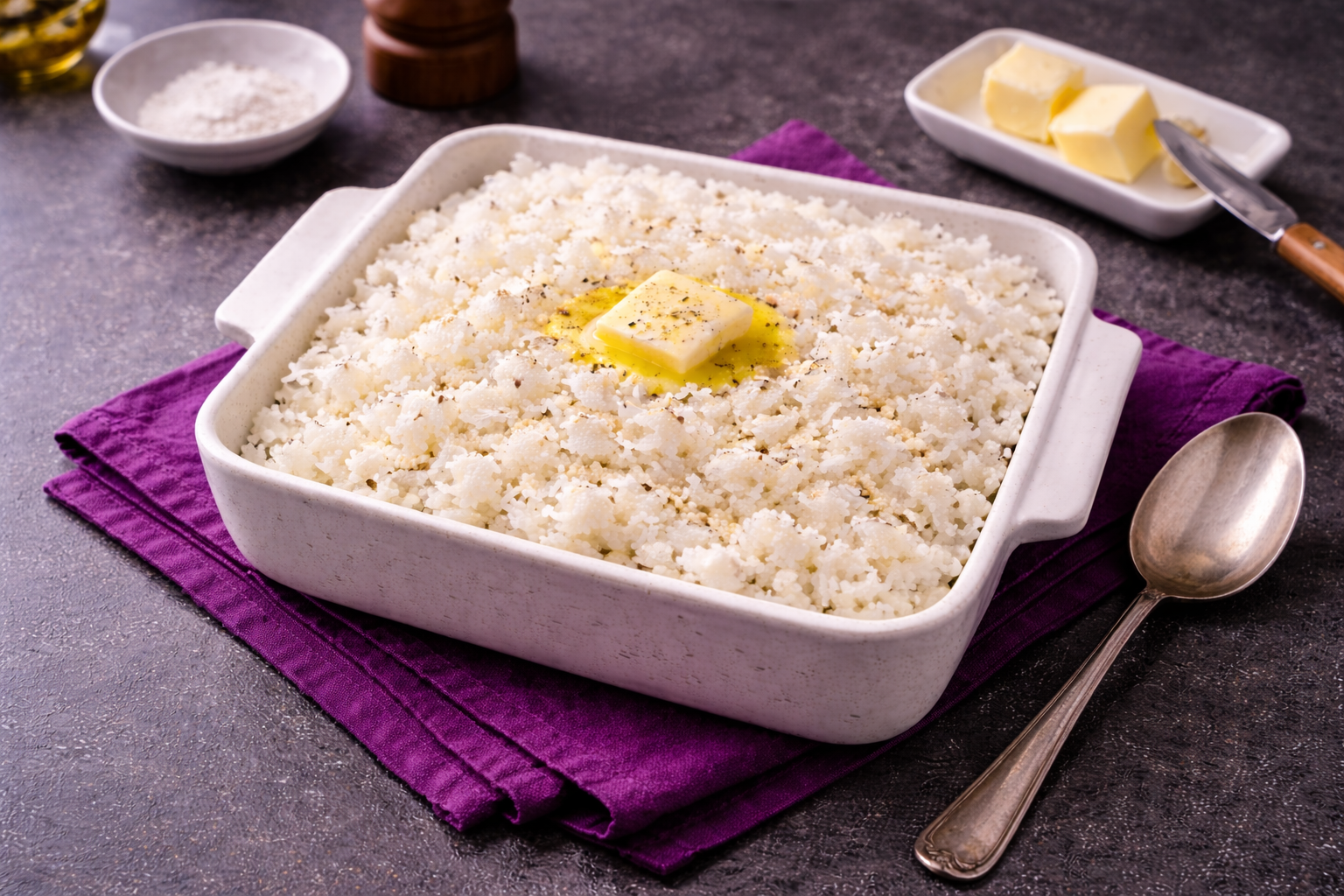
Perfect Oven-Baked White Rice

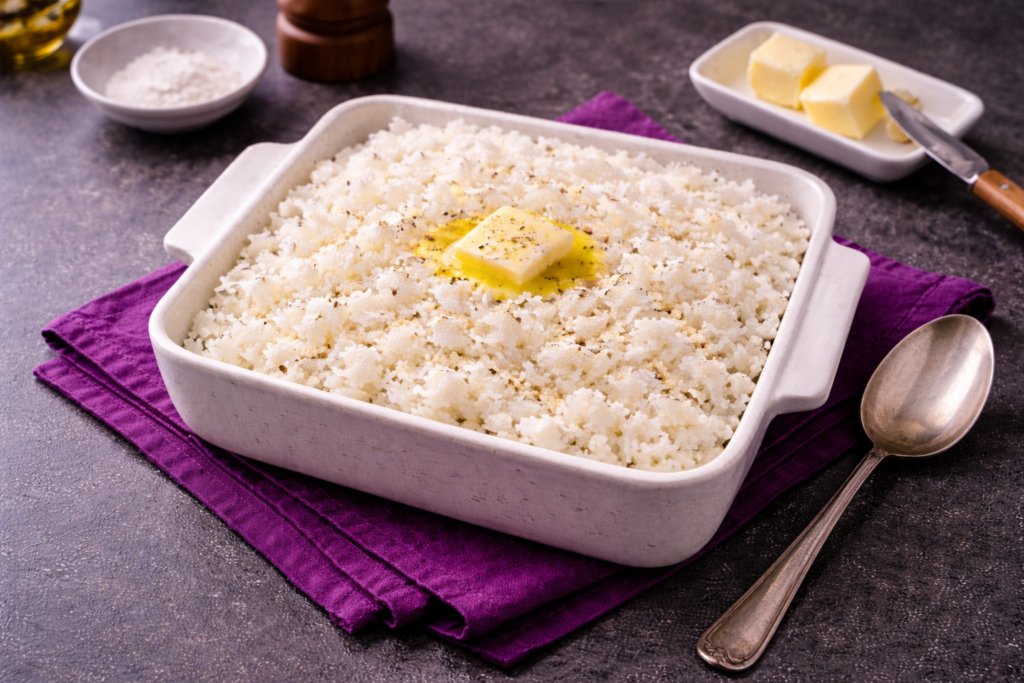
Light, fluffy white rice baked gently in the oven for perfectly cooked grains every time. This simple, reliable method removes the guesswork of stovetop rice and delivers consistent results with almost no effort.

Perfect Oven-Baked White Rice

A simple side done right.

White rice might be one of the most widely served side dishes in the world. It appears alongside countless meals across cultures—not as the centerpiece of the plate, but as the quiet foundation that lets everything else shine.

When it’s cooked well, rice should be light, fluffy, and perfectly separated, ready to soak up sauces, gravies, and pan juices without turning heavy or sticky. Achieving that texture consistently doesn’t require complicated technique, but it does benefit from a few deliberate steps that focus on controlling starch, temperature, and even cooking.

Why rinsing the rice matters.

Long grain white rice naturally carries a layer of starch that coats the grains. That starch is what causes rice to clump together during cooking, which is ideal for certain dishes but not for a clean, fluffy side. Rinsing the rice until the water runs nearly clear removes that excess starch before cooking begins, allowing the grains to remain distinct rather than sticking together as they cook. Taking the extra minute to rinse the rice dramatically improves the finished texture and keeps the dish light instead of dense or gummy.

Starting with warm liquid.

Before the rice goes into the oven, the cooking liquid is warmed first. Bringing the water, butter, salt, and pepper to a gentle simmer melts the butter and ensures the seasoning dissolves evenly throughout the liquid. Starting with warm liquid also allows the rice to begin cooking immediately once it enters the oven, rather than forcing the oven to spend time bringing cold liquid up to temperature. This small adjustment helps the rice cook more evenly and consistently from the start.

Why the oven works so well.

Cooking rice in the oven creates steady, even heat around the pan, allowing the grains to absorb liquid gradually without scorching the bottom or cooking unevenly. Once the dish is covered and placed in the oven, the process becomes almost entirely hands-off.

After baking, the rice rests undisturbed before the foil is removed, allowing the remaining steam to gently finish cooking the grains. This short rest helps the rice settle into its final texture so it fluffs easily and remains tender without becoming sticky.

A side that adapts to almost anything.

One of the strengths of plain white rice is its flexibility. The base recipe is intentionally simple, allowing it to complement a wide range of cuisines and flavor profiles. The cooking liquid can be swapped for broth, spices can be added to match the dish it’s served with, and herbs or vegetables can be folded in at the end. Instead of competing with the main course, the rice acts as a balanced foundation that supports the rest of the meal and brings the plate together.

What I serve with it.

You’ll find the full method outlined below, from rinsing the rice to warming the cooking liquid and letting the oven handle the rest. The process is simple and largely hands-off—once everything is combined in the pan, steady heat and a short rest do most of the work. If you make it, let me know how it turns out—and what you decided to serve with it.

Perfect Oven-Baked White Rice

Light, fluffy white rice baked gently in the oven for perfectly cooked grains every time. This simple, reliable method removes the guesswork of stovetop rice and delivers consistent results with almost no effort.
Print Pin
Category: SAVOR
Cuisine: Southeast Asian
Course: Side Dish
Keyword: Baked, White Rice
Prep: 15 minutes
Cook: 40 minutes
Resting Time: 15 minutes
Total: 1 hour 10 minutes
Servings: 4 servings
Calories: 388kcal
Author: TastyDaddy

Ingredients

Instructions

Rinsing & Soaking Rice

  • Using a 4-in-1 strainer, rinse 2 cups long grain white rice until nearly clear. This step removes excess starch that typically coats the grains, which would make the rice on the sticky/clumpy side when cooked.

Preparing Rice

  • Let the rice drain for 5 minutes while you move onto the next step.
  • Preheat oven to 375℉.
  • While the rice is straining and the oven is preheating, add 3 cups water (or substitute with chicken or vegetable broth for a more flavorful rice), 2 tbsp butter, 1 tsp salt, and ½ tsp ground black pepper to a sauce pan and bring to a simmer, stirring to make sure the butter is melted and salt is dissolved.
  • OPTIONAL SPICE & FLAVOR ADDITIONS: Because this is a pretty flavorless side, this recipe goes well with a diverse variety of cuisines and can also be tailored to fit the cuisine you are planning to pair with it by adding additional spices—from garlic, onion powder, cumin, turmeric, sazon, cardamon, cilantro, tarragon, etc—or other ingredients. Spices can be added into the broth mixture at this step; if you are adding solid ingredients like vegetables, I recommend adding them as the last step.
  • Pour drained rice into an 8" square baking dish and add warmed liquid mixture over the top, using a wooden spoon or spatula for a quick mix, and cover with foil.

Cooking Rice

  • Place pan in 375 ℉ preheated oven and cook undisturbed for 40 minutes.

Rest Time

  • After 40 minutes, remove from oven and let rest on trivet on counter for an additional 15 minutes undisturbed. DO NOT lift foil until the 15-minute rest time has passed.
  • Remove foil and fluff rice with wooden spoon or spatula.
  • Serve and enjoy.

Nutrition

Calories: 388kcal | Carbohydrates: 74g | Protein: 7g | Fat: 6g | Saturated Fat: 4g | Polyunsaturated Fat: 0.4g | Monounsaturated Fat: 2g | Trans Fat: 0.2g | Cholesterol: 15mg | Sodium: 640mg | Potassium: 111mg | Fiber: 1g | Sugar: 0.1g | Vitamin A: 176IU | Calcium: 34mg | Iron: 1mg

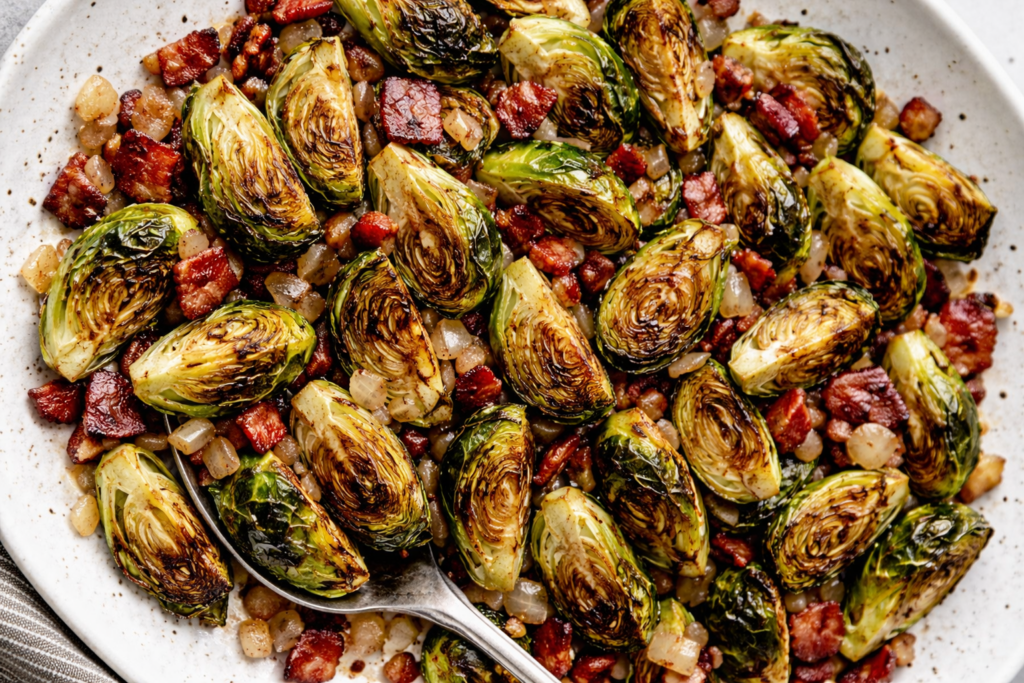
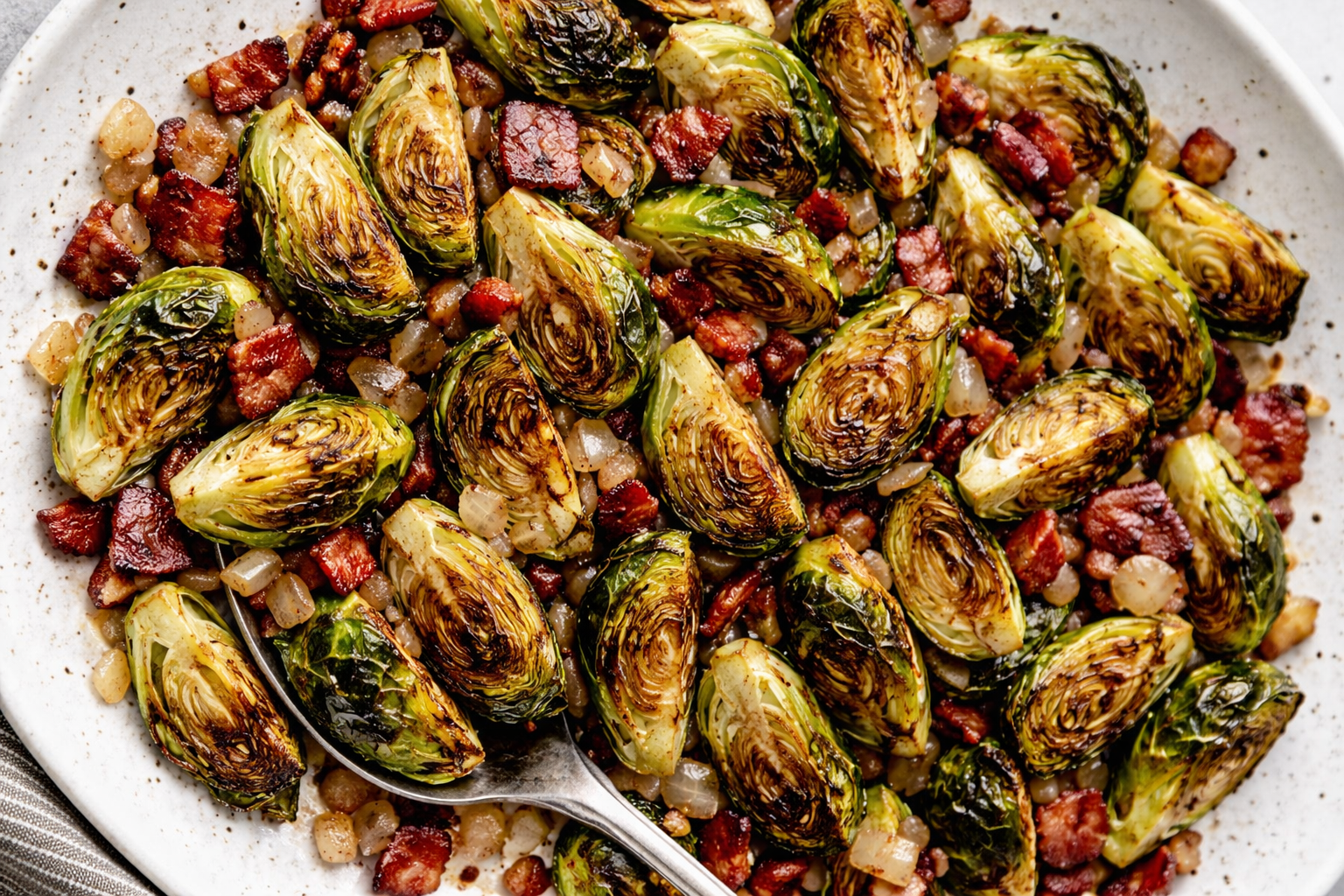
Bacon & Balsamic Roasted Brussels Sprouts

Roasted Brussels sprouts tossed with crisp bacon and reduced balsamic until caramelized and glossy. The balance of smoky, tangy, and sweet makes this a bold, flavor-packed addition to any feast.

Bacon & Balsamic Roasted Brussels Sprouts

Caramelized without compromise.

Brussels sprouts have earned a bad reputation over the years—but only because they’ve been handled poorly. When roasted correctly, they’re crisp at the edges, tender at the center, and deeply nutty in a way that feels far more intentional than their boiled predecessors.

This version keeps things simple—but deliberate. The sprouts roast on their own sheet pan, seasoned and coated, spaced out and left undisturbed long enough to develop real color. High heat allows the outer leaves to blister and crisp while the interior softens without turning mushy.

Baking the bacon.

I always bake my bacon in the oven versus frying. Not only does it prevent nuisance bacon splatter, but baking it ensures it turns properly crisp instead of soft or chewy or overdone and burnt—and it also leaves behind rendered bacon grease that doesn’t go to waste in this recipe.

Typically, depending on the cut and the brand, bacon is baked in the oven at 400°F for 15-20 minutes, but we take advantage of the oven already being hot and bake it alongside the sprouts, checking it at 15 minutes, and then every so often following, until it reaches your personal desired crispiness.

Layers of flavor.

Once the bacon comes out of the oven, I reserve a bit of that rendered fat and use some of it to sauté the minced shallot and red bell pepper. These two ingredients are optional, but i think they compliment this dish perfectly, absorbing the smokiness of the bacon while adding subtle sweetness and depth. Everything comes together only at the end. The roasted sprouts, crisped bacon, and sautéed aromatics are tossed lightly in a balsamic glaze that clings to the edges without masking the caramelization or overpowering.

The sprouts remain the star. The bacon and aromatics add savory depth. The glaze ties it all together with balance and brightness. It’s structured. Intentional. And bold enough to hold its own beside a rich main course. My husband—who abhors most vegetables—is even in love with this dish. Done properly, Brussels sprouts don’t need a lot of disguising. They just need heat—and a little respect. 

What I typically serve with it.

The recipe card below breaks it down step by step, but the goal is simple: crisp edges, properly rendered bacon, softened shallots and peppers, and a balsamic glaze that clings without drowning the pan. Nothing should feel heavy or sticky. Roast the sprouts with confidence. Let them darken. Let the bacon crisp fully before it’s chopped and folded back in. Build the flavor in layers, then toss everything together at the end so each component keeps its integrity. And above all, let the sprouts lead.

Bacon & Balsamic Roasted Brussels Sprouts

Roasted Brussels sprouts tossed with crisp bacon and reduced balsamic until caramelized and glossy. The balance of smoky, tangy, and sweet makes this a bold, flavor-packed addition to any feast.
Print Pin
Category: HARVEST
Cuisine: American, Italian
Course: Side Dish
Keyword: Bacon, Roasted, Vegetables
Prep: 10 minutes
Cook: 30 minutes
Total: 40 minutes
Servings: 6 portions
Calories: 176kcal
Author: TastyDaddy

Ingredients

(Optional Add-Ons)

Instructions

Pre-heat

  • Preheat oven to 425℉
  • Line 2 baking sheets with parchment paper.

Brussels Sprouts Prep

  • Remove and discard any damaged or discolored leaves from Brussels sprouts; wash Brussels sprouts thoroughly with cold water.
  • On a butcher's block (or cutting board), trim and discard stem ends from each Brussels sprout with a Chef's knife.
  • TIP: Save any leaves that come loose from the trimming process. These add a lovely crunch to the final dish when roasted.
  • Cut each Brussels sprout into quarters and toss into a mixing bowl with the loose leaves.
  • Toss Brussels sprouts with olive oil (enough to lightly coat, about 2 tbsp), 2 tsp salt, 1 tsp pepper, 1 tsp onion powder, and 1 tbsp garlic until they are evenly coated with oil and seasonings.
  • TIP: If you'd like to add a bit more depth of flavor, you can add 1-2 tsp balsamic glaze at this stage, before roasting, but be sure the glaze evenly coats with the oil and seasonings.
  • Pour Brussels sprouts onto a parchment-lined baking sheet and spread evenly into a single layer.

Bacon Prep

  • On second parchment-lined baking sheet, place 4-6 slices of bacon (see NOTE), spacing them evenly.
  • NOTE: The amount of slices can be adjusted to your taste, but I say 4-6 slices, depending on the thickness/cut of the bacon you buy. I typically go with 4 slices of a thicker cut, hickory or applewood smoked bacon.

Roasting

  • Place Brussels sprouts on top rack and bacon on middle rack of pre-heated oven.
  • Roast the Brussels sprouts and bacon for 15 minutes.
  • TIP: If you'd like to include one or both of the optional ingredients listed, prep them during this 15 minutes.
  • Pull Brussels sprouts out of oven and stir; replace to top rack and cook for another 15 minutes.
  • The bacon will only take about 15-20 minutes to cook, depending on thickness and desired crispiness, so check on it when stirring the Brussels sprouts; if it's not cooked to your desired crispiness, leave in and check at about 1-minute intervals until you're happy with it.

Optional Ingredients (choose none, one, or both)

  • On a butcher's block (or cutting board), mince shallot and/or red bell pepper with a Chef's knife; set aside.

Combining Ingredients

  • Once you remove the bacon from the oven, move cooked bacon to paper towel to remove excess grease and help it crisp a bit more.
  • Retain about 3 tbsp of bacon grease and discard the rest with the parchment paper.
  • Transfer bacon from paper towel to butcher block and chop into ¼" pieces with Chef's knife.
  • OPTIONAL: If you opted to include one or both of the optional ingredients listed, heat 2 tbsp of bacon grease in large skillet and sauté shallot and/or bell pepper until nice and tender.
  • Once Brussels sprouts are finished, remove from oven, transfer to mixing bowl, and add bacon.
  • OPTIONAL: If you opted to include one or both of the optional ingredients listed, add them to the mixing bowl with the Brussels sprouts and bacon here.
  • Drizzle balsamic glaze over ingredient mixture, enough to lightly coat when mixed. The amount of balsamic glaze is dependent on your taste preferences, so adjust accordingly.
  • OPTIONAL: If you would like to add a bit more bacon flavor, add 1 tbsp of the reserved bacon grease to the mixing bowl.
  • Mix ingredients thoroughly and transfer to oven safe serving dish; it's ready to serve, or you can set aside and reheat in oven when ready to serve.
  • TIP: Because of the temperature of the oven needing to be higher than most recipes, I cook this side ahead of my main course and put it in an oven-safe dish so that I can return it to the oven for the last 15 minutes of cook time of my main course. It especially works well if your main course also gets cooked in the oven.

Nutrition

Calories: 176kcal | Carbohydrates: 9g | Protein: 6g | Fat: 14g | Saturated Fat: 4g | Polyunsaturated Fat: 2g | Monounsaturated Fat: 7g | Trans Fat: 0.03g | Cholesterol: 15mg | Sodium: 941mg | Potassium: 404mg | Fiber: 4g | Sugar: 3g | Vitamin A: 1358IU | Vitamin C: 97mg | Calcium: 40mg | Iron: 1mg